Texas investigates protein powder makers as compliance scrutiny deepens
Texas opened an industry-wide protein powder probe over lead and cadmium, and the NPA met with the attorney general’s office as scrutiny widened.
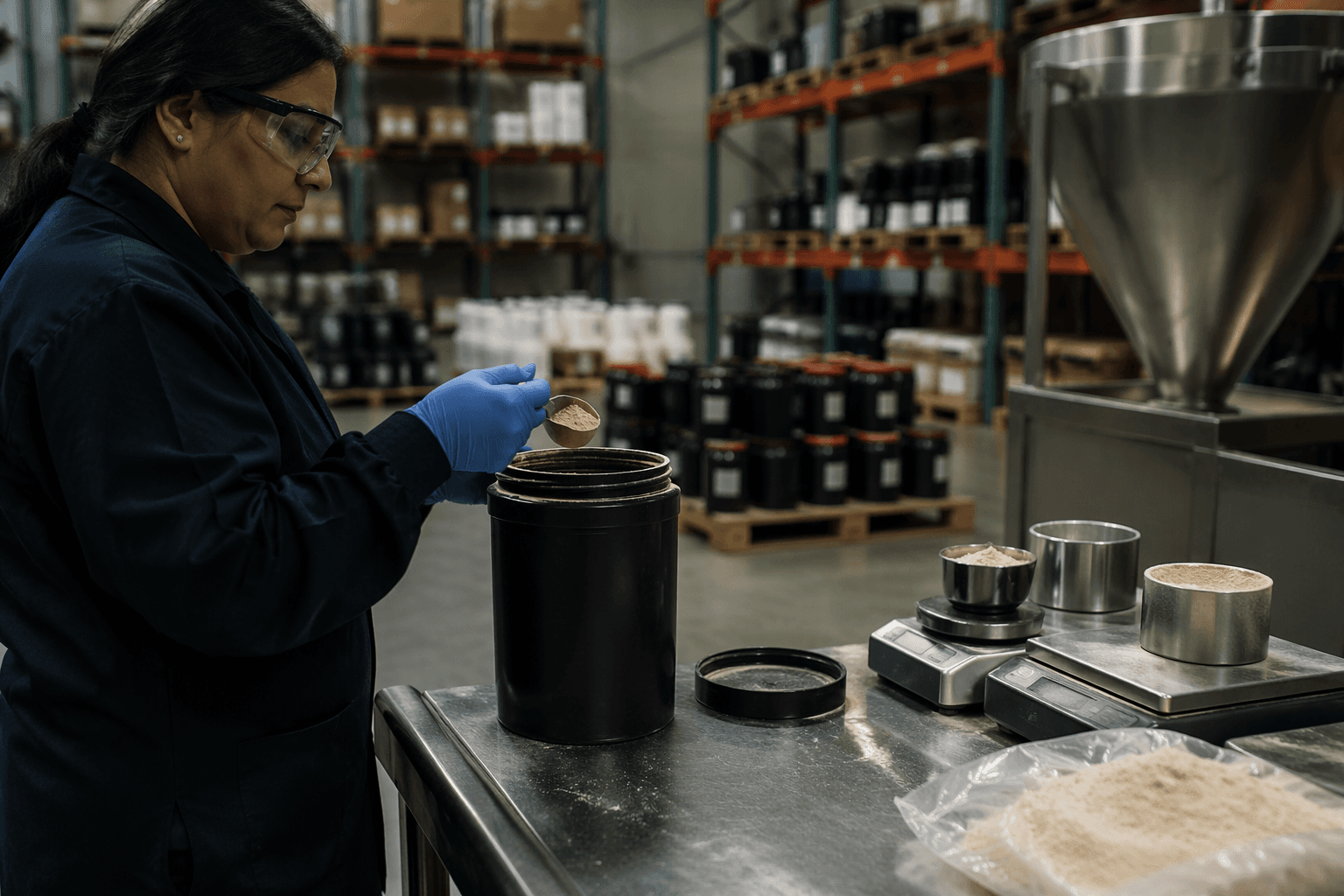
Texas Attorney General Ken Paxton opened an industry-wide investigation into protein powder manufacturers on June 8, 2026, focusing on possible heavy-metal contamination and on whether companies misrepresented product safety or failed to disclose contamination risks. The case was framed under the Texas Deceptive Trade Practices Act, and no specific brands or manufacturers had been named.
The trigger came from outside testing that Texas officials said raised red flags. Consumer Reports tested 23 protein powders and shakes and found plant-based powders averaged nine times more lead than whey-based powders. Texas officials also said three tested products exceeded the office’s threshold of concern for cadmium and inorganic arsenic. A separate Clean Label Project study tested 160 products from 70 brands and found 47 percent exceeded at least one federal or state safety threshold, while 21 percent were over 2X California Proposition 65 levels.
The Natural Products Association met with representatives of the Texas attorney general’s office last week to discuss the investigation, signaling that industry groups were already trying to shape the response before any enforcement action landed. That meeting came as the probe settled into a familiar but uncomfortable pattern for protein brands: the product sits at the crossroads of sports nutrition, meal replacement, convenience nutrition and everyday wellness, which makes claims, sourcing and labeling easy targets when regulators start asking sharper questions.
The bigger issue is not just whether one batch or one brand failed a test. It is whether Texas becomes an isolated enforcement push or the opening shot in a tougher environment for the broader protein supplement market. Consumer advocates have already used the testing results to push for tighter limits, while brands and trade groups have been left arguing over methodology, exposure levels and how much contamination is enough to matter. For manufacturers, the practical pressure is immediate: more testing, more documentation and more scrutiny of supply chains, especially in a category where trust drives repeat purchases.

SupplySide Supplement Journal described the protein powder probe as the third major food, beverage or dietary-supplement sector investigation Paxton announced in a few weeks, which places protein powders inside a wider consumer-enforcement sweep in Texas. For a category that has long sold on clean-label language and everyday health positioning, the regulatory conversation had already moved past marketing.
This article was produced by Prism’s automated news system from verified source data, official records, and press releases, then run through automated quality and moderation checks before publishing. The system is built and supervised by the people who set the standards it runs under. Read our full AI policy.
Did this article answer your question?