Texture becomes a premium signal in protein and dairy products
Protein may win the first sale, but texture wins the repeat. In dairy and alt-dairy, creaminess and smoothness are now the premium signals that justify the price.

Protein may win the first sale, but texture wins the repeat. In dairy and alt-dairy, mouthfeel has moved from a nice-to-have to the conversion point that decides whether a product feels worth buying again. The sharpest brands are not just pushing grams of protein, they are engineering creaminess, smoothness, and indulgence so the product feels premium before the consumer ever reads the nutrition panel.
Texture is the premium signal
FoodNavigator’s texture coverage gets at the part of the protein story that is easy to miss: consumers do not buy nutrition in isolation. They buy the experience of drinking, spooning, or chewing something that feels satisfying, and that experience is what closes the gap between a strong label claim and a real-world repurchase. In dairy and alt-dairy, the move from playful crunch to decadent smoothness is not cosmetic. It is a pricing strategy.
That matters because texture now does double duty. In conventional dairy, a richer mouthfeel can support indulgent positioning even when the product is still carrying a functional promise. In plant-based dairy, the same cue can make a product feel less like an imitation and more like a premium food in its own right. The takeaway for protein is blunt: grams alone are no longer enough to carry the category.
Where alt-dairy is winning, and where it still lags
The clearest proof comes from NECTAR’s Taste of the Industry 2026, which bills itself as the world’s largest public sensory analysis of dairy-alternative products. The report is based on blind taste tests of 98 dairy-free products across 10 categories, with 2,183 omnivores tasting them in American restaurant settings. That is the kind of scale that turns a vague sensory hunch into a commercial map.
The results show a category splitting in two. Barista milk and creamers are leading the way in taste parity with dairy, while ice cream, cream cheese, and mozzarella still lag further behind. Califia Farms’ Oat Barista Blend stands out because it reportedly matched Horizon Whole Milk in a hot latte, which is exactly the kind of use case that rewards creamy texture and stability over novelty. If a product can behave like dairy in a latte, it gains a real shot at repeat purchase.
That is why texture is not just an innovation detail in alt-dairy. It is the shorthand consumers use to decide whether the product belongs in the same mental bucket as the dairy benchmark, or whether it still feels like a compromise.
Protein changes the formula, and the mouthfeel
The problem is that protein upgrades are rarely neutral from a sensory perspective. A 2025 study on plant-based milk alternatives found that fortifying them with protein can improve nutrition, but it can also change texture and bring in beaniness or chalkiness that hurts consumer acceptance. That is the blind spot in a lot of protein-led launches: the label gets better while the sip gets worse.
A separate study on oat-based milk alternatives reinforces the point. Adding pea and potato protein was shown to affect the sensory profile, volatile profile, color, and particle size. That is a reminder that texture is tied to the whole matrix, not just the headline ingredient. Once you change the protein system, you are also changing how the product smells, looks, and feels in the mouth.
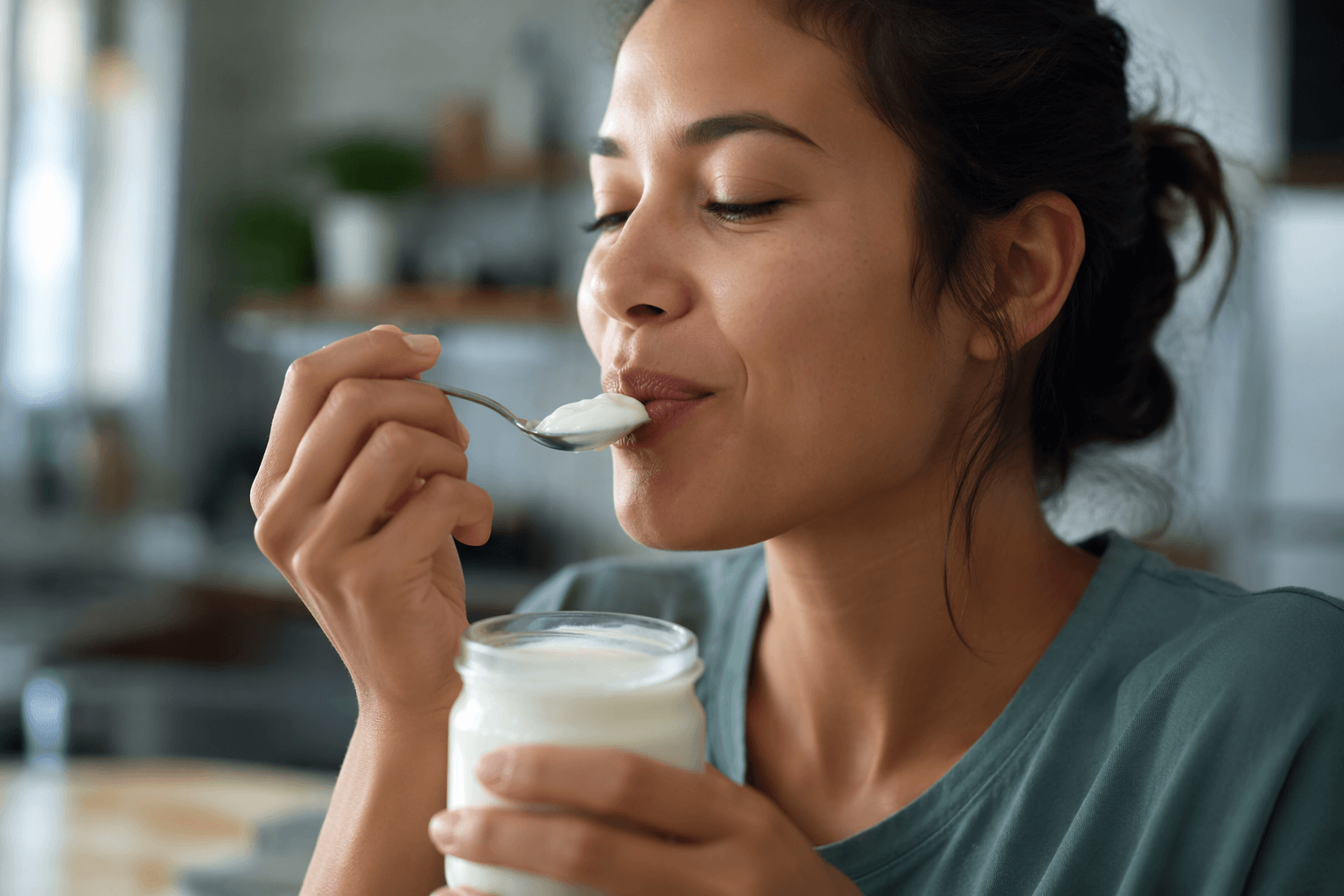
Greek yogurt is a useful counterexample because it shows how texture and protein can reinforce each other when the formula is right. A 2025 study found that consumers are drawn to Greek yogurt’s creamy texture, and that its high protein content helps make it a functional food. Another study on high-protein semi-skim yogurt found that processing conditions affect rheology, texture, and volatile compounds, which means the premium cue is not just the protein level but the way the product is built. In dairy, protein can support desirability, but only when the process protects the texture people expect.
How formulators are building creaminess on purpose
Ingredient systems now sit at the center of the texture game. ADM says emulsifiers help improve creaminess, prevent separation, stabilize emulsions, and create a smoother blending experience in dairy and alt-dairy beverages such as plant-based milks and protein shakes. It also points to lecithin as a tool for stabilizing fat and water mixtures. That is not marketing language; it is the practical work of making a protein drink feel clean instead of thin, gritty, or broken.
This is where the premium story gets interesting. Texture is not only a sensory endpoint, it is a technical design target. Brands are using ingredient systems, process control, and formulation tweaks to produce a more deliberate mouthfeel, and then they are using that mouthfeel to justify higher shelf prices. In other words, the consumer is paying not just for protein content, but for the confidence that the product will taste and feel worth coming back to.
Why shakes are the category to watch
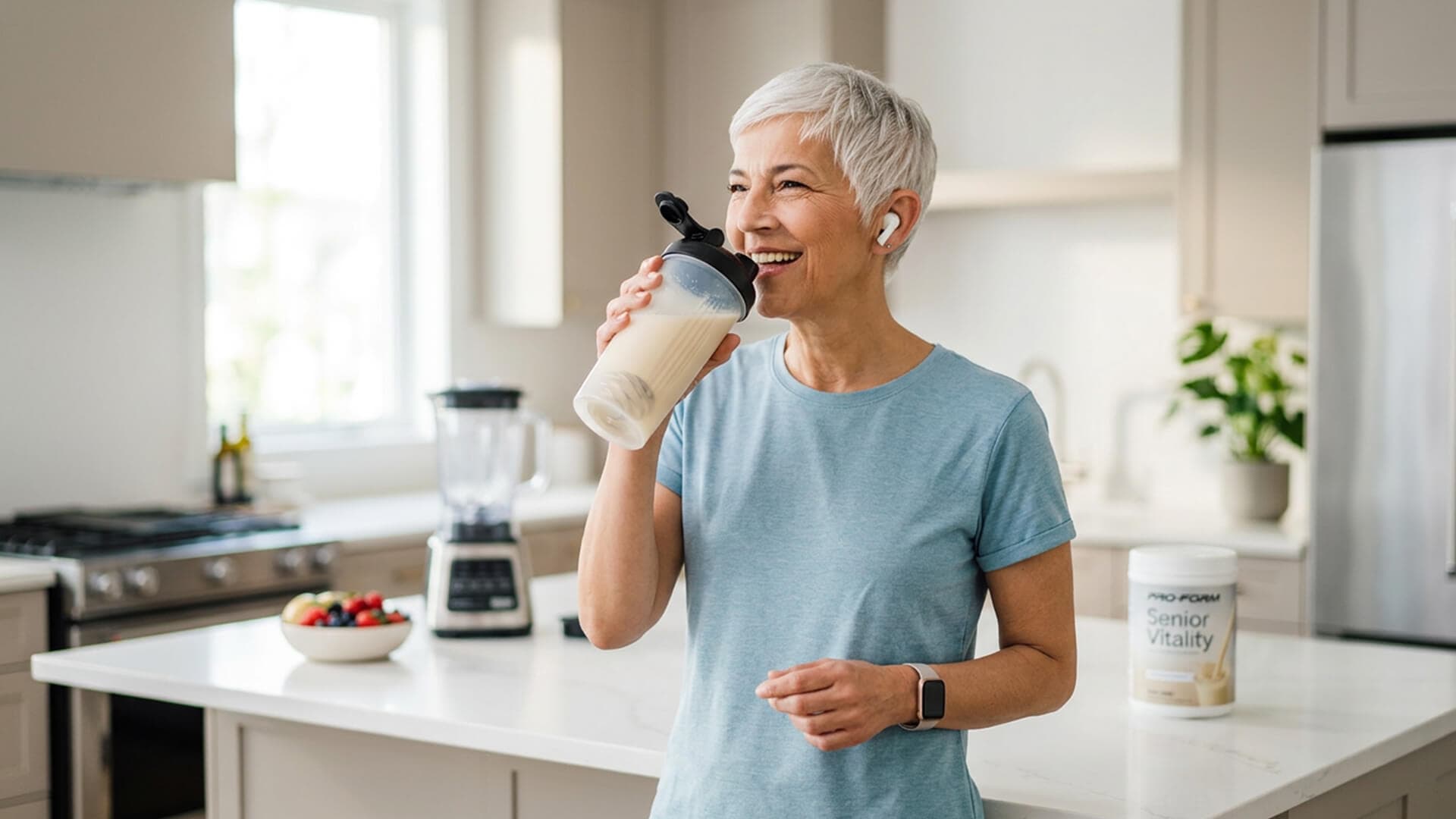
Protein shakes have spent years carrying the baggage of chalky, gritty, or overly thin texture, and that has always been a brake on repeat purchase. A 2026 whey-protein study showed that a smoother shake could be made by removing minerals concentrated during processing, rather than changing protein type alone. That is a significant point for the category because it shows how much of the experience lives in the processing details, not just in the raw ingredient choice.
For protein brands, that shifts the innovation brief. The best shake is not the one with the loudest claim panel. It is the one that pours cleanly, blends smoothly, tastes balanced, and disappears with a creamy finish instead of leaving a powdery afterimage. That same logic now applies to bars, yogurts, and dairy alternatives that want to move beyond utility into habitual consumption.
The market is telling a consistent story: texture is the acceptance gap between nutritionally strong products and actually desirable ones. The brands that understand that gap are using creaminess, smoothness, and body as premium signals, and they are building products that feel worth the price before the consumer even thinks about the protein count.
This article was produced by Prism’s automated news system from verified source data, official records, and press releases, then run through automated quality and moderation checks before publishing. The system is built and supervised by the people who set the standards it runs under. Read our full AI policy.
Did this article answer your question?