TIME green tech ranking spotlights five alternative-protein companies
Five alternative-protein companies landed on TIME’s 2026 greentech list, with Redefine Meat at No. 22. The placement shows protein companies are being judged like climate-tech businesses, not just food brands.
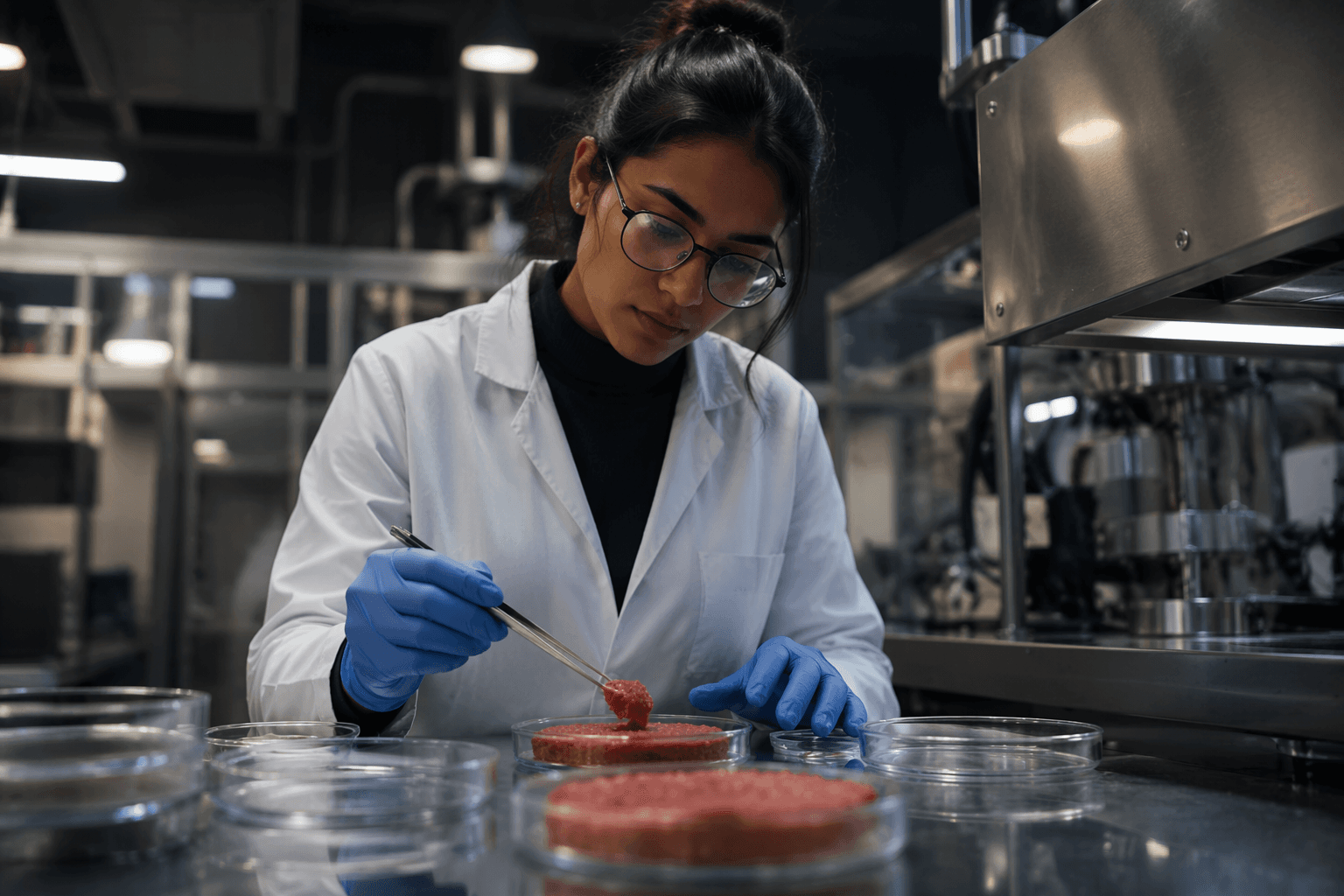
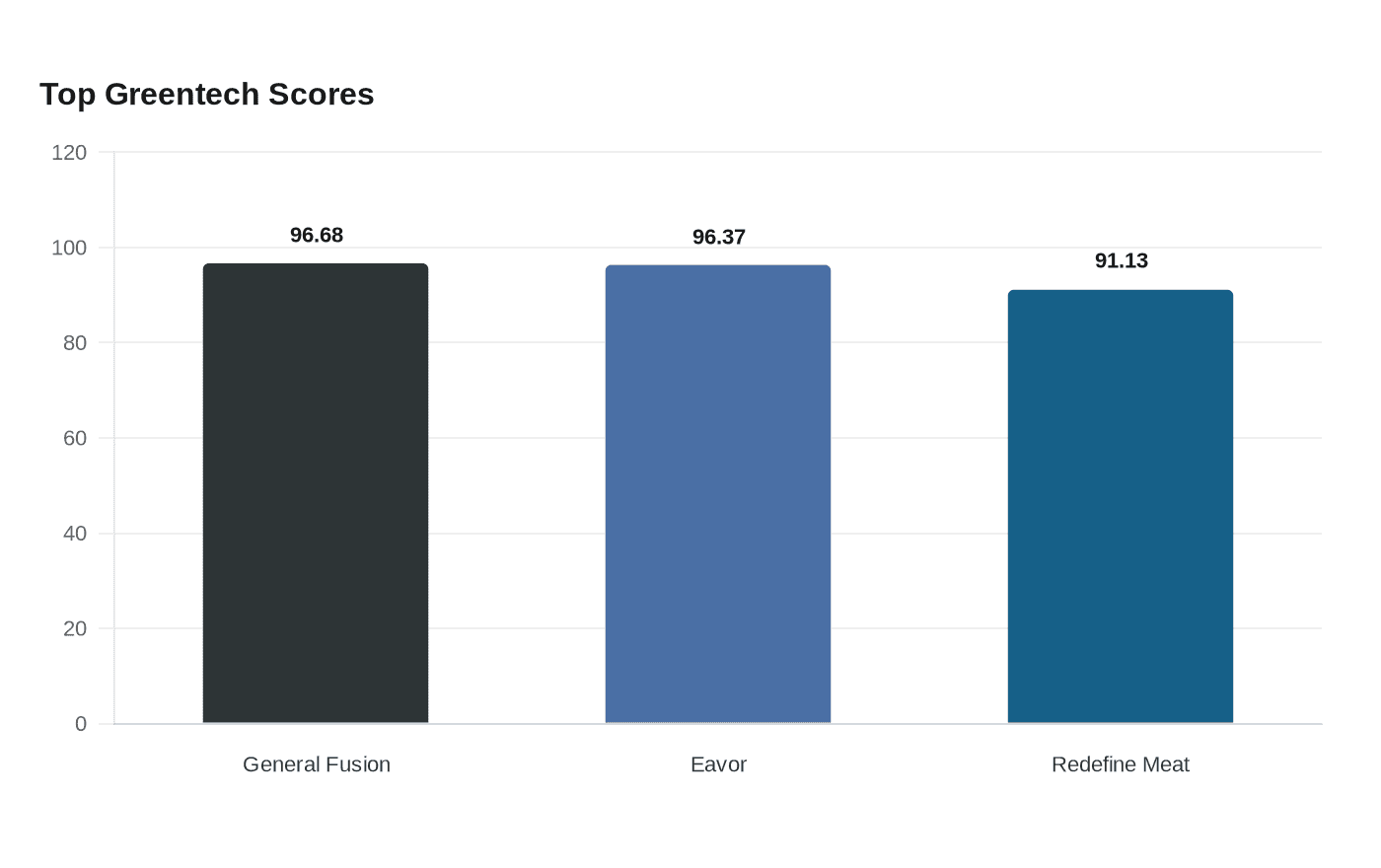
Five alternative-protein companies landed on TIME’s 2026 World’s Top GreenTech Companies list, and that is the real story: protein makers are now being measured in the same frame as climate hardware, clean energy, and industrial decarbonization. Redefine Meat was the highest-ranked food-sector company, placing No. 22 overall with a score of 91.13, a result that pushes alternative protein closer to the center of climate-tech capital and partnership conversations.
The ranking was built with Statista and covered 250 companies worldwide that develop or provide green technologies, products, or services aimed at mitigating or reversing environmental impacts. TIME said the methodology weighted positive environmental impact at 45 percent, financial strength at 45 percent, and innovation at 10 percent, using Upright Project data to assess environmental impact and alignment with the UN Sustainable Development Goals and LexisNexis Intellectual Property Solutions, through PatentSight+, to measure innovation through patent assets. That structure matters for protein companies because it rewards more than branding or product launches. It favors durability, balance-sheet strength, and evidence that a company can scale.

At the top of the list, General Fusion ranked No. 1 with a score of 96.68, followed by Eavor at No. 2 with 96.37. TIME also reported that 57.2 percent of headquarters on the 2026 list were based in the United States, while renewable-energy companies made up 34 percent of the ranking. That mix shows how broad the climate-tech field has become, and how much of it is still anchored in energy infrastructure rather than consumer-facing climate products.
For alternative protein, the signal is sharper than the ranking alone. TIME has previously said Israel is second only to the United States in alternative-protein startups and investment, with nearly $1 billion invested since 2020, and that three of the first eight cultivated-meat companies came out of Israel: Aleph Farms, SuperMeat, and Believer Meats. In that context, a greentech ranking is not just a pat on the back. It is another way to validate the sector’s claim that it belongs in climate-tech portfolios, not only in grocery aisles.
That credibility matters because the food category is under heavier scrutiny on environmental claims. TIME reported in April 2026 that a PLOS Climate study found 98 percent of 1,233 environmental claims from 33 major meat and dairy companies were misleading, and that the sector’s five top emitters were responsible for an estimated 496 million tonnes of greenhouse gases in 2023. Against that backdrop, alternative-protein companies that can show measurable environmental impact, financial strength, and innovation have a clearer route to serious capital, larger partnerships, and more policy attention.
This article was produced by Prism’s automated news system from verified source data, official records, and press releases, then run through automated quality and moderation checks before publishing. The system is built and supervised by the people who set the standards it runs under. Read our full AI policy.
Did this article answer your question?