Tootie’s Tempeh wins two Good Food Awards for fermented plant protein
A Biddeford co-op beat out more than 1,200 entries to win two Good Food Awards, putting plastic-free tempeh in the same conversation as bigger plant-protein brands.
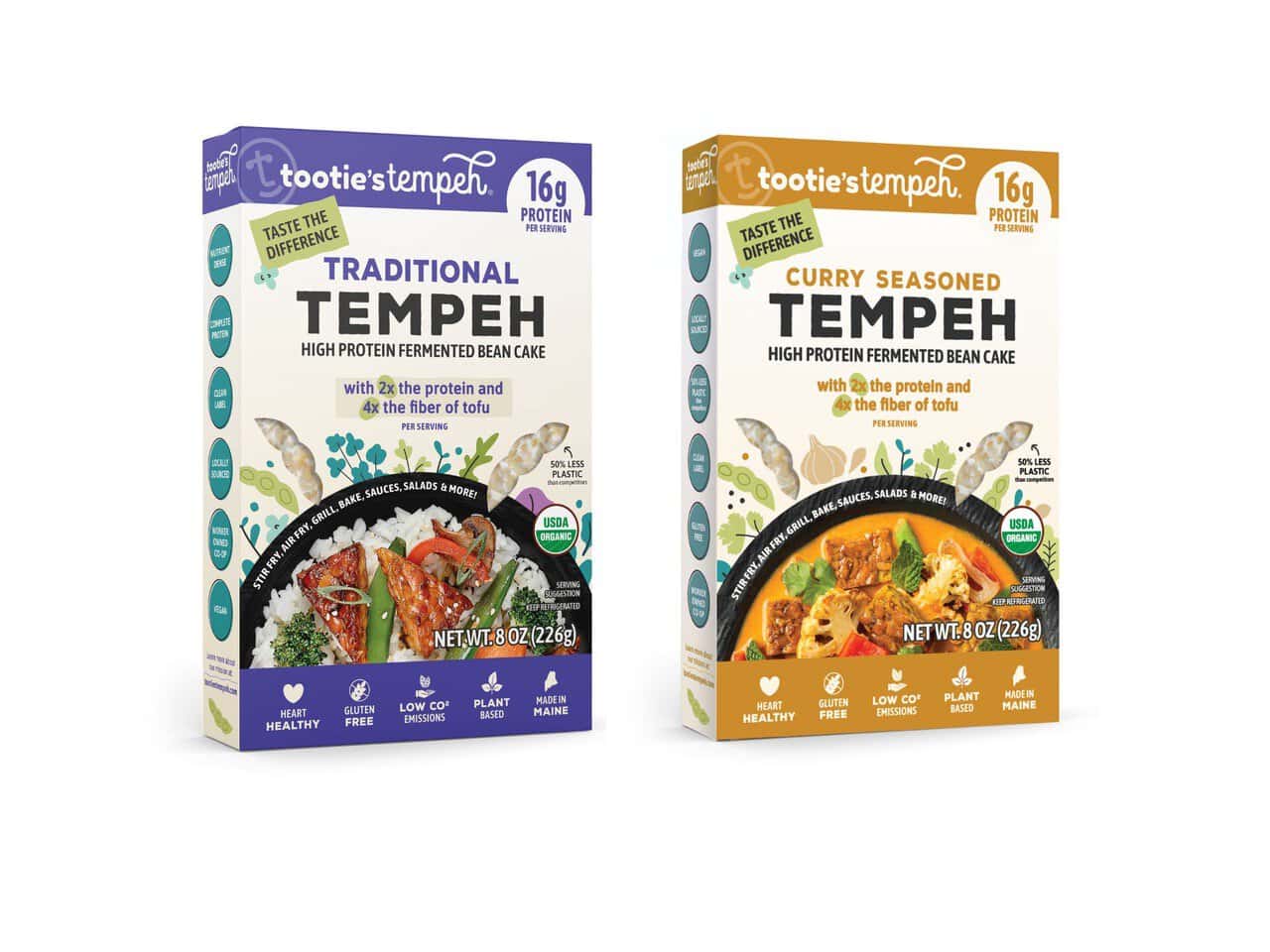
Tootie’s Tempeh just turned a manufacturing choice into a competitive edge. The worker-owned cooperative in Biddeford, Maine, won two 2026 Good Food Awards for its Traditional and Curry Seasoned tempeh, a result that puts a small fermented-protein maker alongside 241 other winners chosen from more than 1,200 entries through blind tasting.
That matters because tempeh still has to fight for shelf space and mindshare in a plant-protein market crowded with burgers, sausages, nuggets and shelf-stable snacks. Tootie’s is making its case with a product story that is hard to copy: the company says it ferments tempeh in metal pans rather than the plastic bags used in much of commercial production, and that approach has kept more than 100,000 to 150,000 plastic bags out of landfills since launch, depending on the company source and reporting date.
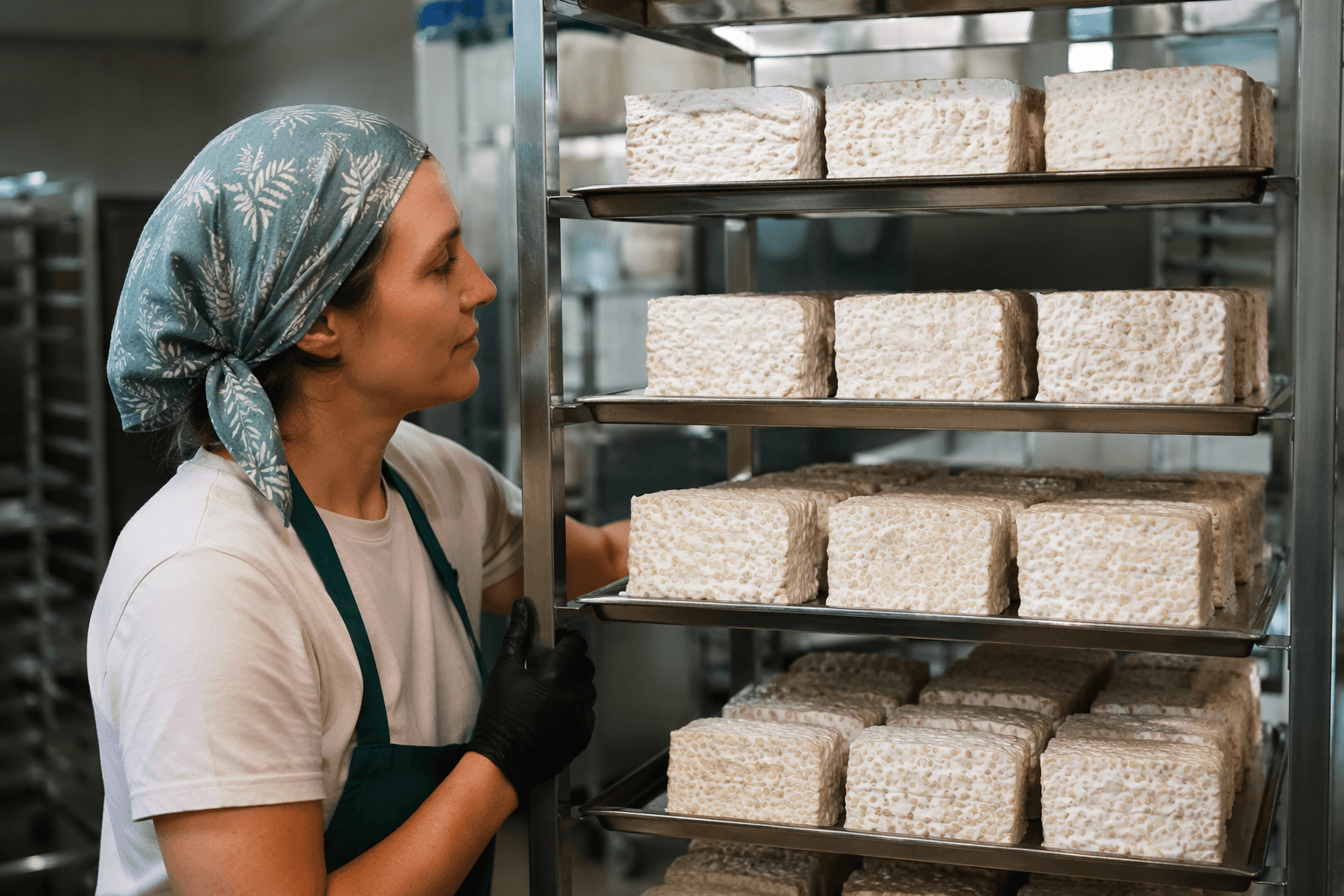
The brand is not new to the conversation. Tootie’s says Sarah Speare and Barbara Fiore founded the company in 2019, then spent two years developing the product before commercial launch in November 2022. Based in the Pepperell Mill, the business has leaned into organic, locally sourced soybeans and a flavor profile that aims for buttery, nutty notes instead of the bitterness many consumers associate with tempeh. The company also says it is the only commercial tempeh maker using the metal-pan fermentation method.
Its cooperative structure is part of the pitch, not a footnote. Profits are shared among employee-owners who also help make business decisions, and the Maine Governor’s office recognized Tootie’s in December 2025 for innovation. In January 2026, Speare was elected to the Plant Based Foods Association board and serves as treasurer, giving the brand a louder voice inside the category even as it pushes a locally rooted production model.
The distribution footprint has widened beyond Maine, which is where this story gets interesting for the broader plant-protein market. Tootie’s now sells in New England and New York, including some Whole Foods Market locations in New England, and has reached Baldor Specialty Foods and HelloFresh. The company has also been part of efforts to bring locally sourced plant protein into hospitals, work supported by a USDA Specialty Crop Block Grant through NCAT.
For all the mission language, the hard test is whether shoppers will keep buying it. The Good Food Awards help by validating flavor and craft, not just ethics, and Tootie’s has built a profile that ties craftsmanship to values without losing sight of the food itself. In a category that often chases scale first, the company is making a credible case that process, ownership and taste can still define a brand.
This article was produced by Prism’s automated news system from verified source data, official records, and press releases, then run through automated quality and moderation checks before publishing. The system is built and supervised by the people who set the standards it runs under. Read our full AI policy.
Did this article answer your question?