Tyson reframes chicken as a flexible platform for flavor and convenience
Tyson is treating chicken like a format, not a commodity, using wedges, waffles and cups to win breakfast, snack and convenience occasions.

Chicken as a platform, not a commodity
Tyson’s latest move is bigger than a novelty flavor. In its May 18, 2026 innovation blog post, the company makes a clear case that chicken now has to work like a flexible platform for flavor, convenience and different meal occasions, not just as the default dinner protein. That shift matters because Tyson is not talking about one breakout SKU, but a way of thinking: high-protein nuggets, waffle-flavored chicken bites and dip-inspired wedges are all designed to make chicken feel new without making it unfamiliar.
The core idea is simple and smart. Today’s shoppers want protein that fits busy schedules, tastes bold and still feels satisfying. Tyson is responding by pushing chicken into breakfast, lunch, snacks and entertaining, which is where a lot of the real growth is coming from now. That is a meaningful reframing for a category that has long been treated as a commodity, where price and plain utility often mattered more than experience.
Why waffles and wedges matter
The waffle-flavored chicken bites are the clearest sign of where Tyson wants to take the category. Sold as Tyson Restaurant-Style Uncooked Breaded Chicken Breast Bites Waffle Flavored, they are made from boneless, skinless chicken breast and are meant to cook straight from frozen in the oven or air fryer to a minimum internal temperature of 165°F. Tyson also positions them as a convenient option for family dinners, parties and game days, which tells you exactly how broad the company wants the use case to be.
That flavor choice is doing two jobs at once. Waffle flavor brings comfort-food nostalgia, while the bite format keeps the product portable and easy to use in modern frozen or prepared-food routines. A Walmart listing adds another hard number to the story: 16 grams of protein per 4-ounce serving. In other words, Tyson is not selling just a fun flavor. It is selling a product that can still be defended on the practical terms shoppers expect from protein.

The dip-inspired wedges push in a similar direction. They are built to be shareable and flexible, able to bridge appetizer and meal occasions without feeling like a one-note snack. That is the real play here: make chicken behave like the kind of food that works at the table, on the couch, during a game or in between meals, depending on how the shopper needs it.
What Tyson is really selling: convenience with craveability
Tyson’s language around these products keeps coming back to versatility and craveability, and that is where the category has changed. Protein products no longer win because they are merely high in protein. They win when they deliver a satisfying eating experience, which means texture, flavor and format matter just as much as nutrition.
That is why the waffle-flavored bites are interesting beyond the novelty. They are a reminder that the modern protein aisle is not only about better-for-you messaging. It is also about making something familiar feel a little more fun, a little more indulgent and a little easier to slot into everyday life. Tyson is clearly betting that chicken can be both an efficient protein and a sensory treat, which is a stronger position than simply being the cheapest white meat on the shelf.
The resealable bag format reinforces that logic. It signals portioning, storage convenience and repeat use, all of which matter when the product is aimed at households trying to stretch one item across multiple occasions. Tyson is not just selling dinner. It is selling flexibility.
Chicken Cups show the strategy is bigger than one product drop
The waffle bites would still read like an isolated flavor experiment if Tyson had not already made a larger portable-protein push. In September 2025, Tyson launched Tyson Chicken Cups, a cup-format line that includes grilled boneless chicken bites, lightly breaded boneless chicken bites, mini Dino nuggets and popcorn chicken bites. The format is an even more direct answer to the demand for portable, protein-rich foods.
Dawnna Bowen, Tyson Foods’ vice president of innovation, put the logic bluntly: “With the popularity of chicken and consumer demand for portable, protein-rich foods, we needed to find a way to make our products even more accessible throughout the day.” That statement tells you the strategy in plain English. Tyson wants chicken to be accessible not just at lunch or dinner, but throughout the day, wherever convenience is driving the meal decision.
The Chicken Cups also raise the stakes on protein density. Tyson said the line delivers 30 grams of protein per serving and described it as something it believed had nothing else like it on the market. Whether you are looking at cups, bites or wedges, the through line is the same: make chicken easier to carry, easier to eat and easier to justify as a high-protein choice in more moments.
The market backdrop favors chicken
Tyson’s product strategy makes even more sense when you look at the broader protein landscape. USDA Economic Research Service data show chicken surpassed beef in U.S. per-capita availability in 2010. By 2021, there were 68.1 pounds of chicken per person available for human consumption in the U.S., compared with 56.2 pounds of beef. That gap helps explain why chicken keeps attracting innovation: it is already central to how Americans eat protein, so it has room to stretch across more formats and price points.
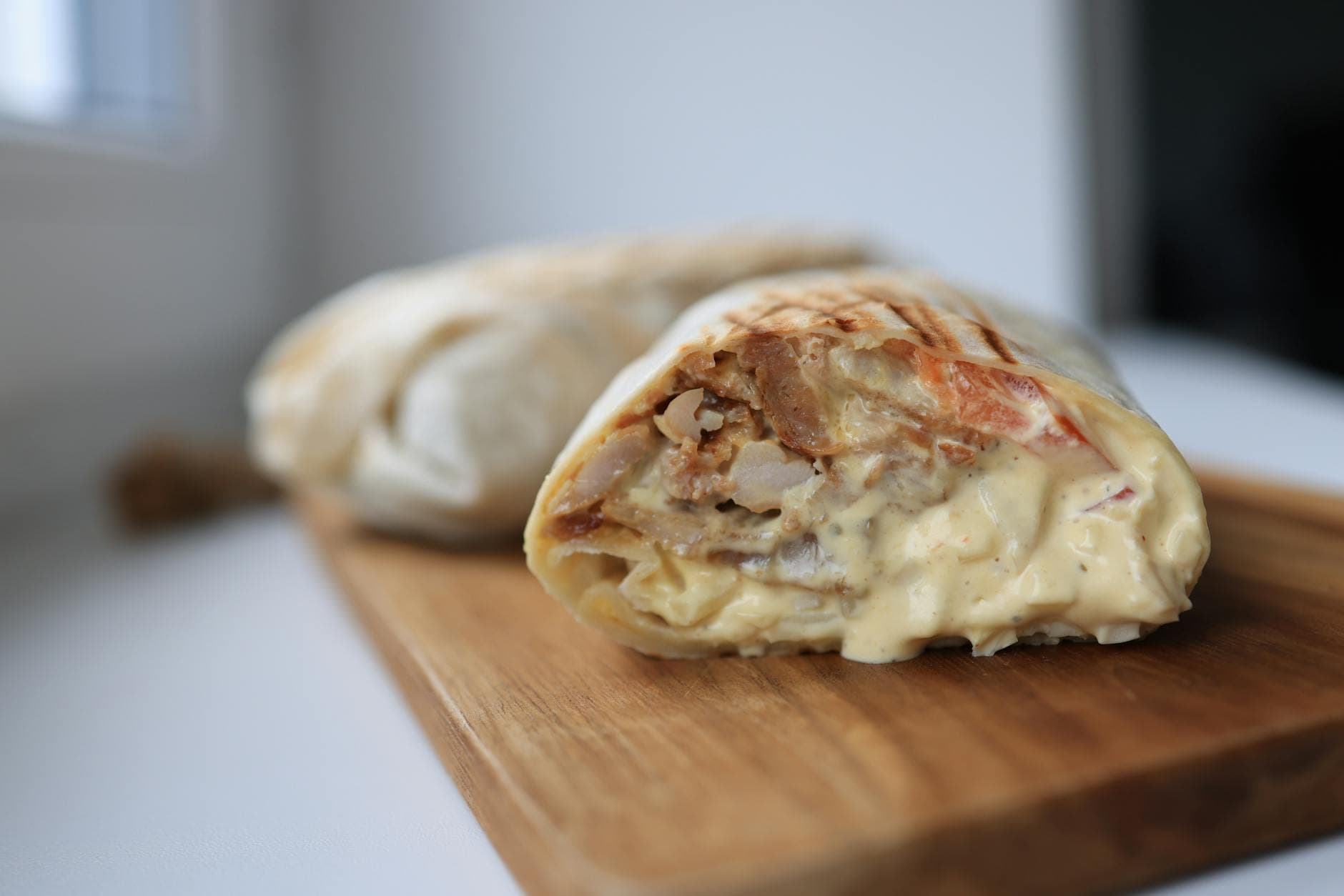
Tyson is well positioned to push that stretch. The company says it produces approximately 20% of the beef, pork and chicken in the United States, which gives it the scale to test ideas across the protein aisle and then support the winners with real distribution muscle. It is also based in Springdale, Arkansas, and it describes Tyson New Ventures, LLC as the arm meant to broaden exposure to innovative new forms of protein. That matters because this is not just a one-off flavor stunt. It is part of a corporate strategy built to keep Tyson relevant as protein demand gets more fragmented and occasion-driven.
Why the financial signal matters
The commercial case got another boost from Tyson’s second-quarter 2026 results, released May 4, 2026. The company said Chicken and Prepared Foods drove meaningful momentum, which shows the chicken platform is not only creatively useful, but financially important too. When a business segment is contributing momentum, it tends to get more room to experiment, more support from the pipeline and more pressure to keep finding new occasions.
That is the real takeaway from Tyson’s latest chicken push. The company is treating chicken as a modern innovation category, not a static commodity. Wedges, waffles and cups are all different expressions of the same bet: if chicken can be made more portable, more playful and more occasion-flexible, it can keep growing long after the old dinner-only playbook runs out of steam.
Tyson’s message is clear. Chicken still has room to expand, but the winners will not be the products that look like the past. They will be the ones that make protein feel easier, more versatile and a lot more interesting to eat.
This article was produced by Prism’s automated news system from verified source data, official records, and press releases, then run through automated quality and moderation checks before publishing. The system is built and supervised by the people who set the standards it runs under. Read our full AI policy.
Did this article answer your question?