U.S. plant-based food sales hold at $7.9 billion, Midwest grows
Plant-based sales held at $7.9 billion in 2025, but growth was concentrated in the Midwest while the West still led on loyalty.
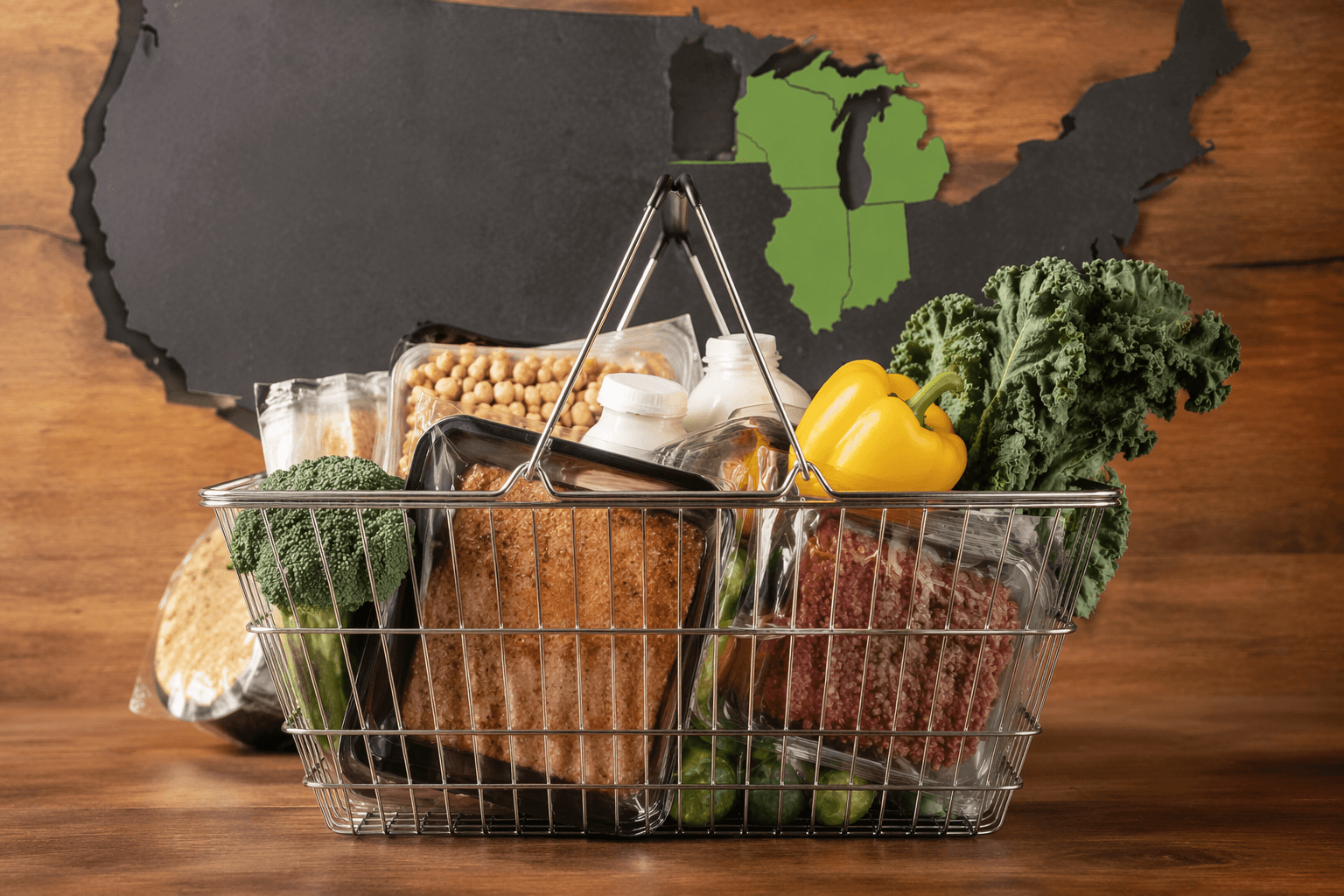
Plant-based foods kept $7.9 billion in U.S. retail sales in 2025, a flat finish that hides a much sharper regional split. Sixty percent of U.S. households bought at least one plant-based item, and 78% came back for repeat purchases, enough to show the category is still mainstream even when national growth looks stuck.
The Midwest was the only region to post dollar growth, rising 2.4% year over year. Nebraska led the country in plant-based dairy household penetration growth at 11.7%, with North Dakota close behind at 10.2%, a sign that the strongest gains are showing up in states where the category is still expanding its base rather than just feeding the same core buyers.
The West remains the benchmark market. It had household penetration above 67% and an 84.1% repeat rate, and PBFA’s regional summary says Western households accounted for the most dollars spent on tofu, tempeh and seitan in 2025. The South still mattered most by scale, taking 36% of all U.S. plant-based food dollars, while the Northeast showed pockets of momentum, including a 7.6% rise in plant-based cheese repeat rates and 31.1% dollar growth in plant-based seafood.
That regional map matters because plant-based demand is being carried by flexitarians, not true believers. At least 95% of plant-based meat shoppers also buy conventional meat, and PBFA and the Plant Based Foods Institute describe the flexitarian segment as roughly 14 million households in the dataset. That helps explain why the winners are the regions where the category is easiest to find, easiest to try and easiest to buy again, especially in mainstream retail and foodservice channels that now shape how the market moves.
The report was built on SPINS retail and consumer panel data across all four U.S. census regions, and PBFA says it now folds in insights from major marketplace players including Walmart, KeHE and Sodexo. That broader lens fits the rest of the numbers: plant-based food sales have more than doubled from $3.3 billion in 2018, and The Good Food Institute says the U.S. retail market has nearly doubled from $3.9 billion in 2017 to $7.9 billion in 2025. Even with some categories softening, the sales base is large enough to reward better merchandising, stronger domestic sourcing and tighter regional execution.

Marjorie Mulhall, executive director of the Plant Based Foods Association, said the regional data show demand is “widespread and durable.” That is the right read for a market where the headline number is steady, but the real story is concentration: the West still converts best, the South still buys the most, and the Midwest is where the next layer of growth is finally showing up.
This article was produced by Prism’s automated news system from verified source data, official records, and press releases, then run through automated quality and moderation checks before publishing. The system is built and supervised by the people who set the standards it runs under. Read our full AI policy.
Did this article answer your question?