USC study links low-protein diets to longer healthy lifespan
USC found a low-protein, methionine-supplemented diet beat western and ketogenic diets in mice and tracked with better metabolic health in 200,000 people.

A plant- and fish-based low-protein diet, when paired with methionine and other essential amino acids, extended healthy lifespan in mice and tracked with better metabolic health in more than 200,000 people. The June 23 Cell Metabolism paper does not justify slashing protein or starting amino acid supplements on your own.
The team led by Valter Longo of the USC Leonard Davis School of Gerontology tested 20-month-old mice on four diets: a standard diet, a western diet high in fats and sugars, a low-carbohydrate ketogenic diet, and the low-protein longevity diet with methionine, or LDMM. The LDMM group came out ahead on the measures that matter for aging: longer healthspan, less frailty, and lower fat mass. The western and ketogenic diets did the opposite, pushing up fat mass and frailty.
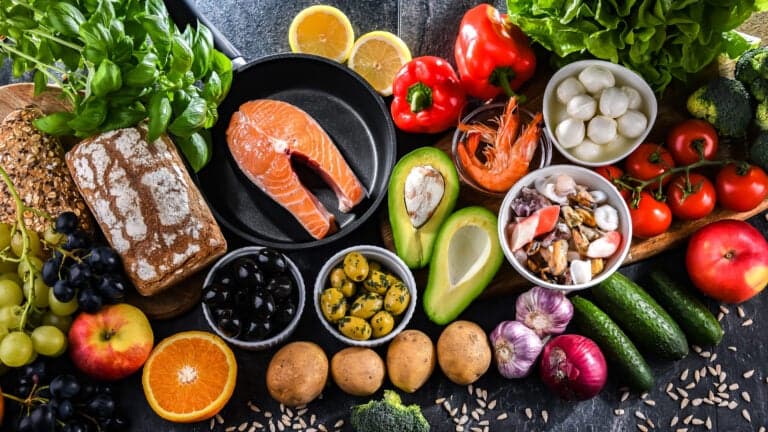
The diet itself was not a simple protein purge. It was built around lower protein, fish, and plant foods, with enough methionine to keep essential amino acid levels from falling too far. The pattern was inspired by traditional eating habits in places with exceptional longevity and by the low-protein Mediterranean diet common in southern Europe, even though those populations still face high rates of frailty.
Researchers from USC, the University of Toronto and Harvard University analyzed diet and health data from more than 200,000 people and found similar advantages for a more plant-focused diet, including less obesity and type 2 diabetes. The pattern in the observational analysis also pointed away from heavy animal-protein intake and toward a diet built more around plants, with fish included.
Inside the mice, the LDMM diet improved cardiometabolic markers. It lowered IGF-1 and raised growth hormone, GLP-1 and FGF21. FGF21 was required for fat loss and improved insulin sensitivity, and the diet delivered those effects without calorie restriction or loss of lean mass.
This article was produced by Prism’s automated news system from verified source data, official records, and press releases, then run through automated quality and moderation checks before publishing. The system is built and supervised by the people who set the standards it runs under. Read our full AI policy.
Did this article answer your question?