Wales researchers turn bread crusts and grass into protein powder
Wales researchers fermented bread crusts and perennial ryegrass for up to 72 hours, then dried the result into a protein powder for bread and other foods.
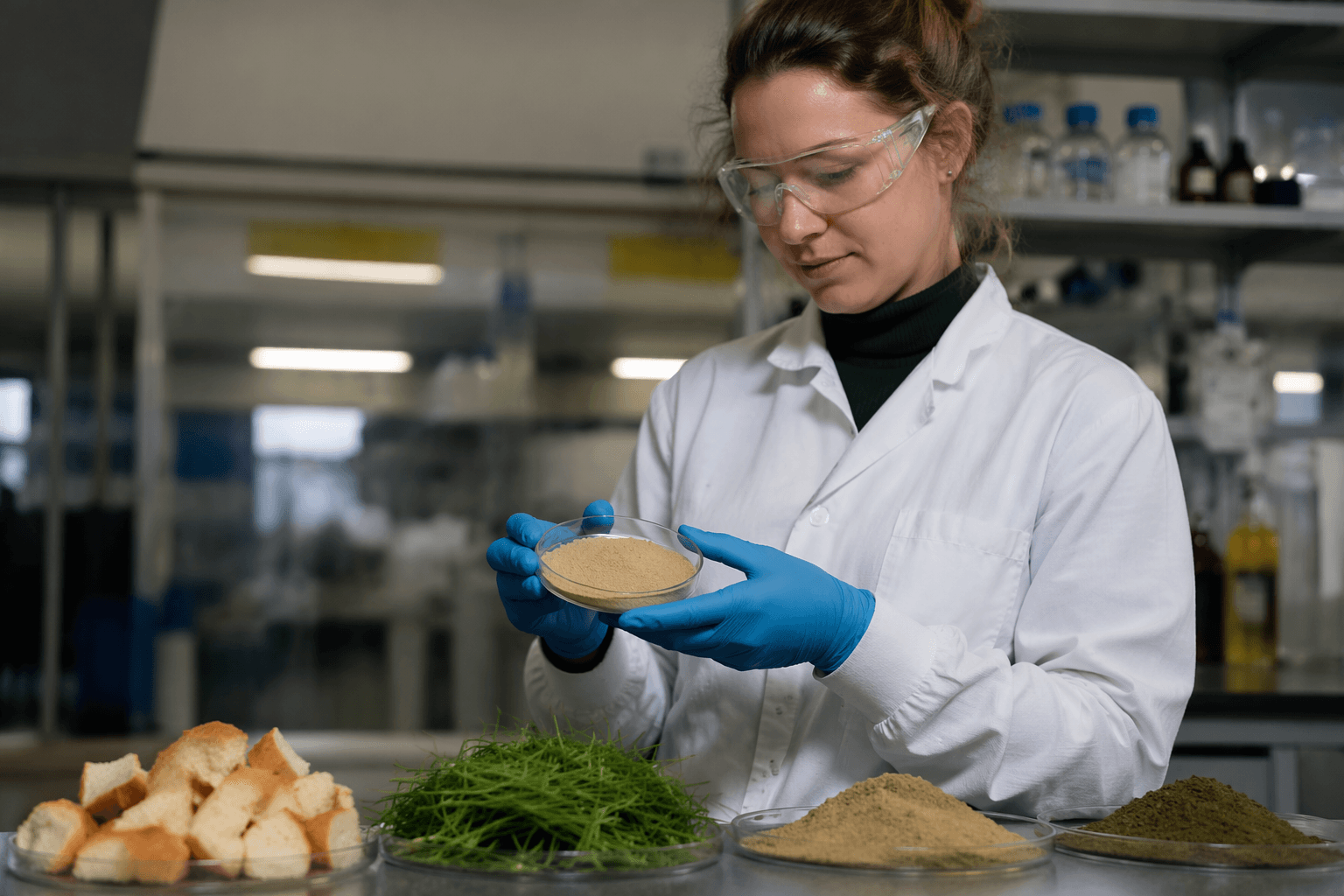
Aberystwyth University researchers have turned surplus bread crusts and perennial ryegrass protein into a protein-rich ingredient that can be dried into powder and mixed into wheat flour for protein-enriched bread. The team says fungal fermentation can run for up to 72 hours and, crucially, improves both aroma and nutritional quality rather than simply recycling waste into something bland.
The work, published in npj Science of Food on 24 April 2026, came out of Aberystwyth University’s Institute of Biological, Environmental and Rural Sciences, with Reading University also involved. The broader project is funded by UKRI’s Biotechnology and Biological Sciences Research Council and Samworth Brothers, the food group that operates across 15 bakeries and employs more than 12,000 people. The university said the trials used a pilot-scale biorefining facility at AberInnovation on the Gogerddan Campus in Aberystwyth.

Taste is the make-or-break issue for circular proteins, and this is where the study gets interesting. Researchers identified more than 150 aroma compounds during fermentation, and said different fungal strains produced noticeably different odours, ranging from alcoholic to cheesy or earthy. The team also said it has developed a mathematical method that could help predict odour early in product development, a practical tool for food manufacturers trying to avoid expensive dead ends.
The scale of the waste problem explains why the researchers think this route matters. Aberystwyth’s earlier January 2025 report said about 10% of the 185 million tons of bread baked each year is wasted, mostly by supermarkets and commercial bakers. That earlier work had already shown that waste bread could be fermented into highly nutritious foods, but the grass ingredient marked a first: academics showed that grass, traditionally used for livestock production, could be successfully fermented alongside bread by fungi to make alternative proteins.
The process also sits neatly inside solid-state fermentation, a technique widely used in Asia to make foods such as tempeh from legumes, beans and cereals. That matters because the best upcycled proteins will not win on sustainability alone. They have to taste clean, behave predictably in the plant, and scale without blowing up costs, and this Welsh experiment is trying to clear all three hurdles at once.
This article was produced by Prism’s automated news system from verified source data, official records, and press releases, then run through automated quality and moderation checks before publishing. The system is built and supervised by the people who set the standards it runs under. Read our full AI policy.
Did this article answer your question?