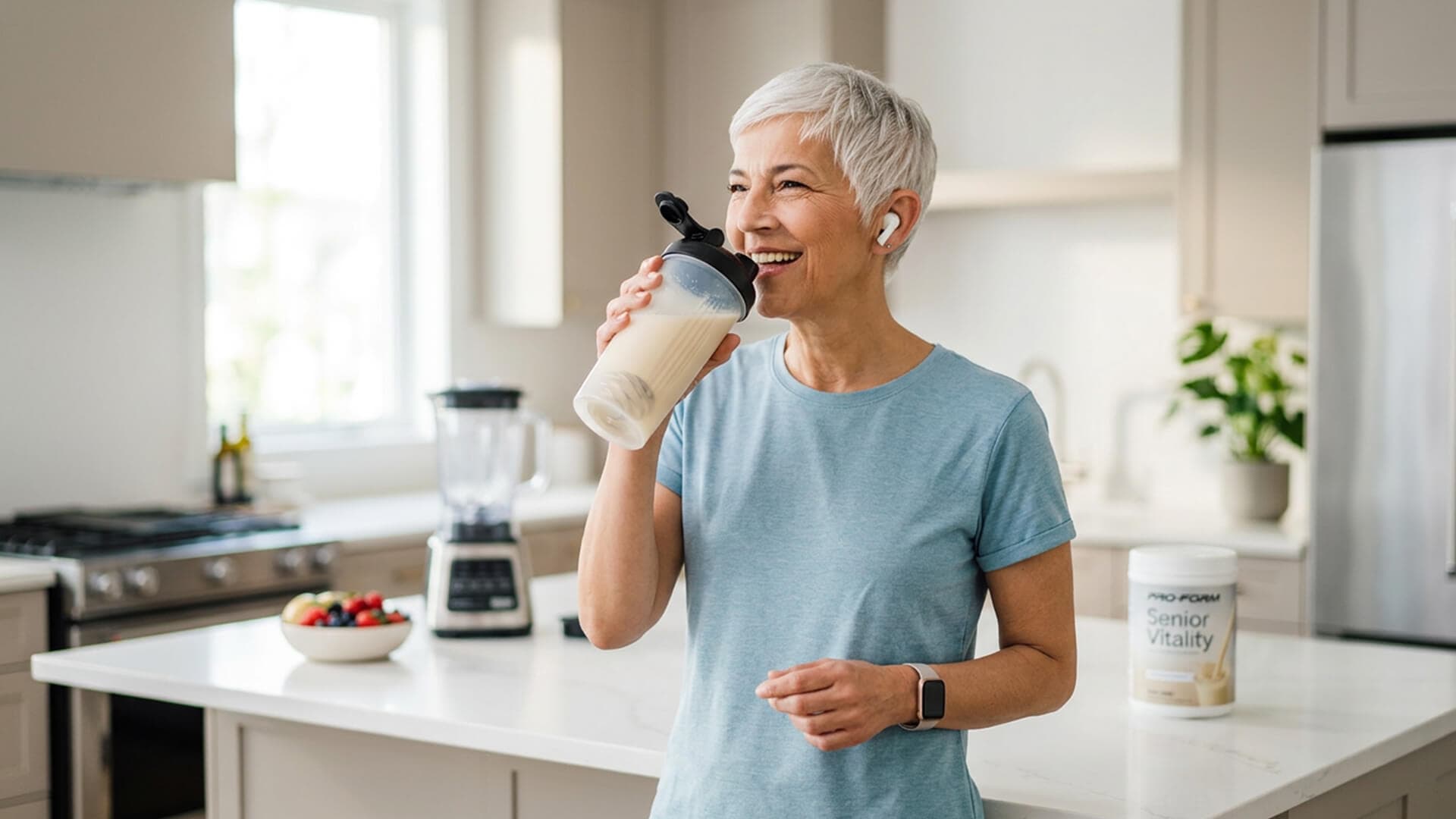
Whey Protein May Boost Exercise Benefits for Fatty Liver Patients
Adding whey to calorie restriction and resistance training raised irisin more than exercise alone in a 30-person MASLD trial. All groups lost liver fat, but only the whey arm gained muscle mass.
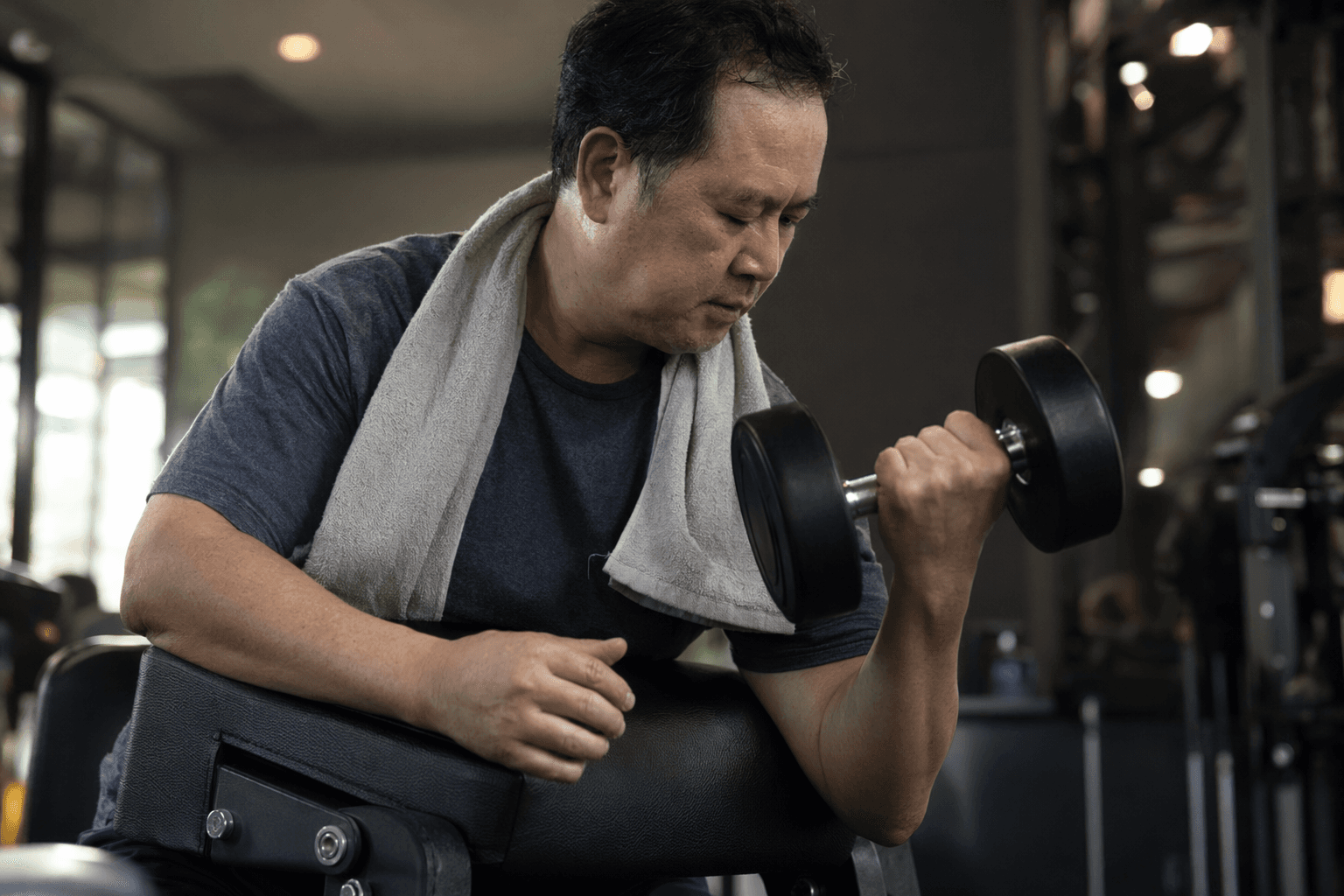
For patients with MASLD, the real question is not whether to diet and lift, but whether whey protein changes the size of the payoff. A four-week randomized trial in 30 adults found that resistance exercise raised plasma irisin, and that the increase was larger when whey protein was added to the program.
The study divided participants into three groups: calorie restriction alone, calorie restriction plus resistance exercise, and calorie restriction plus resistance exercise plus whey protein at 0.7 g/kg/day. Everyone received boxed meals designed to provide 70% of total energy expenditure, and the exercise groups did full-body resistance training five days a week at 50% to 75% of one-repetition maximum. Plasma irisin rose by 2.24 ng/mL in the exercise group and by 4.86 ng/mL in the exercise-plus-whey group. It did not rise in the calorie-restriction-only arm.
The liver signal moved too. Controlled attenuation parameter, a noninvasive marker used to estimate hepatic fat, fell in all three groups, and the change in irisin was inversely correlated with the change in CAP, with r = -0.459 and p = 0.032. That does not prove whey itself was the liver-fat driver, because CAP improved even without exercise or supplement support, but it does suggest that the metabolic response to training may be stronger when protein is layered on top. Muscle mass also increased significantly only in the whey-plus-exercise group, a practical detail clinicians and dietitians will notice immediately.
That matters because MASLD, the term now used instead of non-alcoholic fatty liver disease, is not a niche diagnosis. It is defined by hepatic steatosis plus at least one cardiometabolic risk feature, and it is estimated to affect more than one-third of adults worldwide. The condition can progress to fibrosis, cirrhosis and hepatocellular carcinoma, which is why the 2024 EASL-EASD-EASO guideline still puts lifestyle modification first: weight loss, dietary changes, physical exercise and management of comorbidities.
The new trial does not overturn that advice. It sharpens it. A 2023 study from the same group found that 60 g/day whey during a similar four-week resistance-exercise and calorie-control intervention did not significantly beat placebo on the overall hepatic-fat endpoint, even though early CAP and liver-enzyme changes favored whey. Another 2026 trial found that under about 30% caloric restriction, protein at or above 0.8 g/kg/day helped preserve skeletal muscle, but the anabolic synergy with resistance training was blunted by the energy deficit. Taken together, the message for tomorrow is straightforward: keep calorie restriction and resistance training as the backbone, treat whey as a reasonable adjunct for patients who need help meeting protein targets, and do not sell it as a liver cure.
This article was produced by Prism’s automated news system from verified source data, official records, and press releases, then run through automated quality and moderation checks before publishing. The system is built and supervised by the people who set the standards it runs under. Read our full AI policy.
Did this article answer your question?