Orf Genetics cuts cultivated meat costs with barley-based growth factors
ORF Genetics is betting that cheaper barley-made growth factors, not bigger bioreactors, will decide cultivated meat’s commercial future.
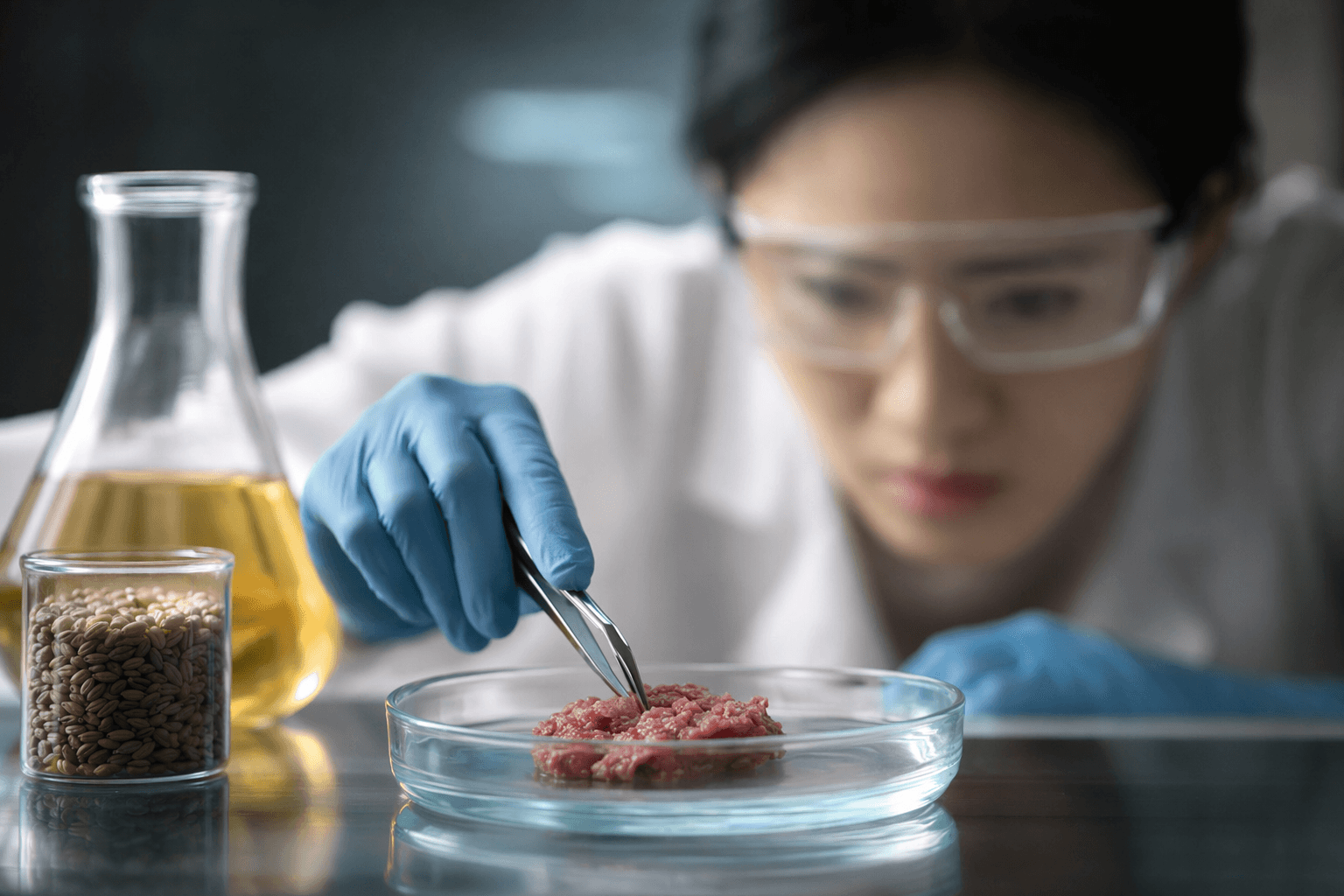
ORF Genetics is pushing into the ugliest part of cultivated meat economics: the growth factors that cells need to multiply and differentiate. The Icelandic company says its MESOkine line uses barley plants as a production host to make animal-free growth factors at lower cost and in scalable volumes, a pitch aimed squarely at one of the field’s most persistent bottlenecks. ORF says it has been pioneering plant-based recombinant proteins since 2001, and that its molecular farming platform now serves life sciences, cultivated meat and skincare.
That matters because the cost problem in cultivated meat is still brutally concentrated upstream. A 2024 Nature Food review identified bioreactor size and culture-medium cost as the main cost drivers in manufacturing, and another 2024 review found serum-free media can account for at least 50% of variable operating costs. In that same review, growth factors and recombinant proteins were singled out as the major expense, with some examples showing nearly 98% of the cost of Essential 8 medium tied to FGF-2 and TGF-. If cultivated meat is going to move beyond pilot scale, those inputs need to fall sharply, not marginally.
ORF’s timing is no accident. In September 2025, the company said it had raised €5 million, or $5.9 million, and planned to expand that round to as much as €7 million, or $8.2 million, by mid-October. It said the new capital would increase MESOkine production capacity 14-fold by 2027 and by a factor of 10,000 by 2032. Chief executive Berglind Rán Ólafsdóttir has said the company does not need hundreds of cultivated-meat customers to work, only a handful that reach commercial scale. That is the clearest read on the business: if a few manufacturers can prove steady demand, supplier economics could start to improve fast.
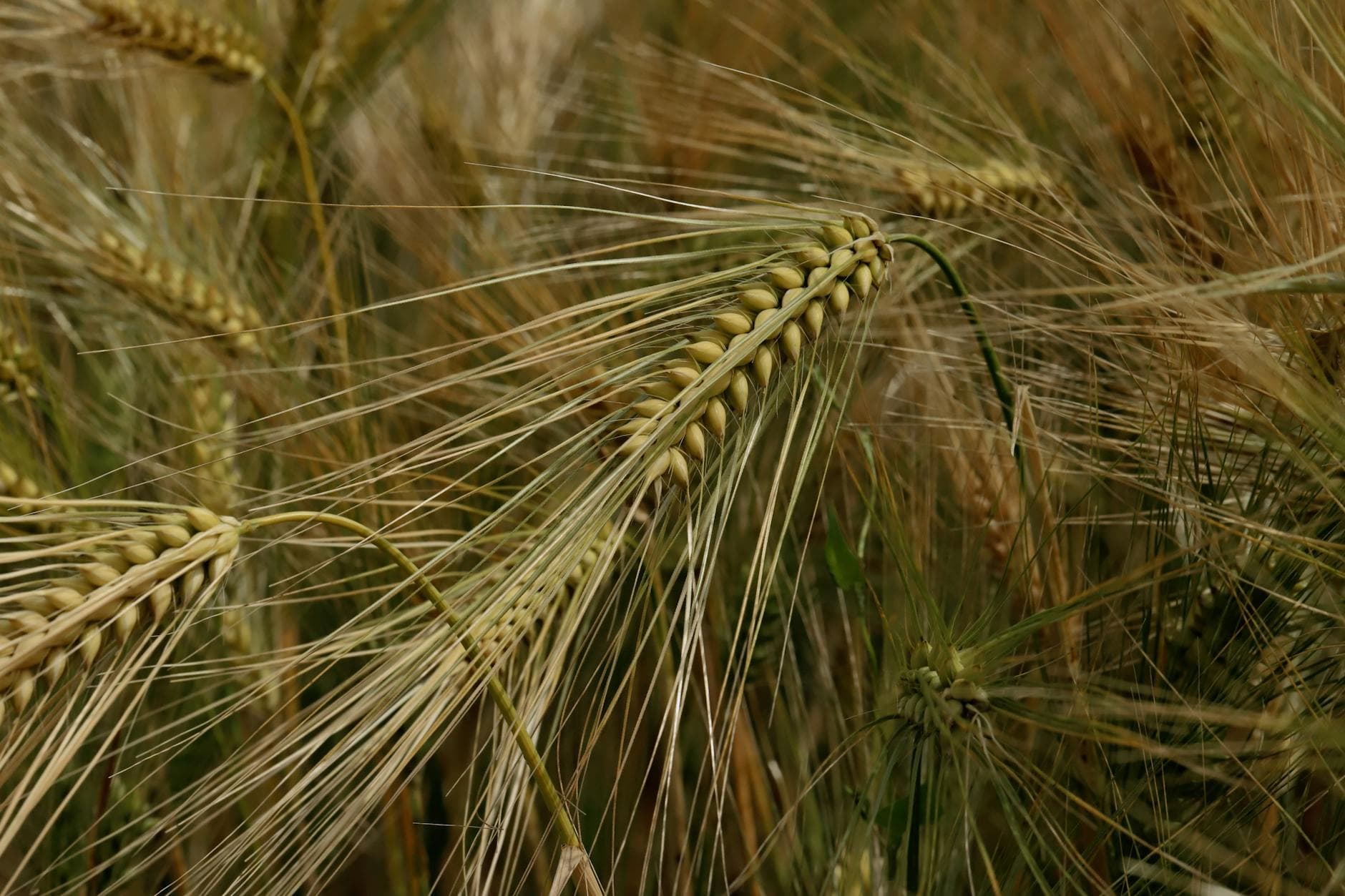
The broader sector is finally giving ingredient suppliers more room to matter. The Good Food Institute said its 2026 state-of-the-industry report showed more than 140 companies worldwide specialized in cultivated meat and seafood by the end of 2025, with at least 138 more active through investments, partnerships or business lines. It also said 2025 brought multiple regulatory green lights and that seven companies had cleared different cultivated-meat products for sale. That backdrop helps explain why ORF is leaning into partnerships with Vow, Mosa Meat and SeaWith, and why its role now extends beyond being a raw-material vendor. ORF said it supplied Vow in 2025, held Europe’s first cultivated-meat tasting with Vow in Iceland on February 12, 2024, and later announced a partnership with South Korea’s SeaWith to boost production using MESOkine.
The sector still has a long way to go. The first cultivated-beef burger debuted in 2013 with an R&D price tag of about €250,000, a reminder of how expensive the promise once was. ORF’s bet is that if barley-based growth factors can keep getting cheaper, the next breakthrough in cultivated meat will come not from a bigger headline product, but from the invisible ingredients that make scale possible.
This article was produced by Prism’s automated news system from verified source data, official records, and press releases, then run through automated quality and moderation checks before publishing. The system is built and supervised by the people who set the standards it runs under. Read our full AI policy.
Did this article answer your question?