William White Meats and QuornPro launch hybrid mycoprotein foodservice range
William White Meats and QuornPro have put hybrid mycoprotein into burgers, meatballs and mince, with Brakes listings live and beef dialed back, not wiped out.
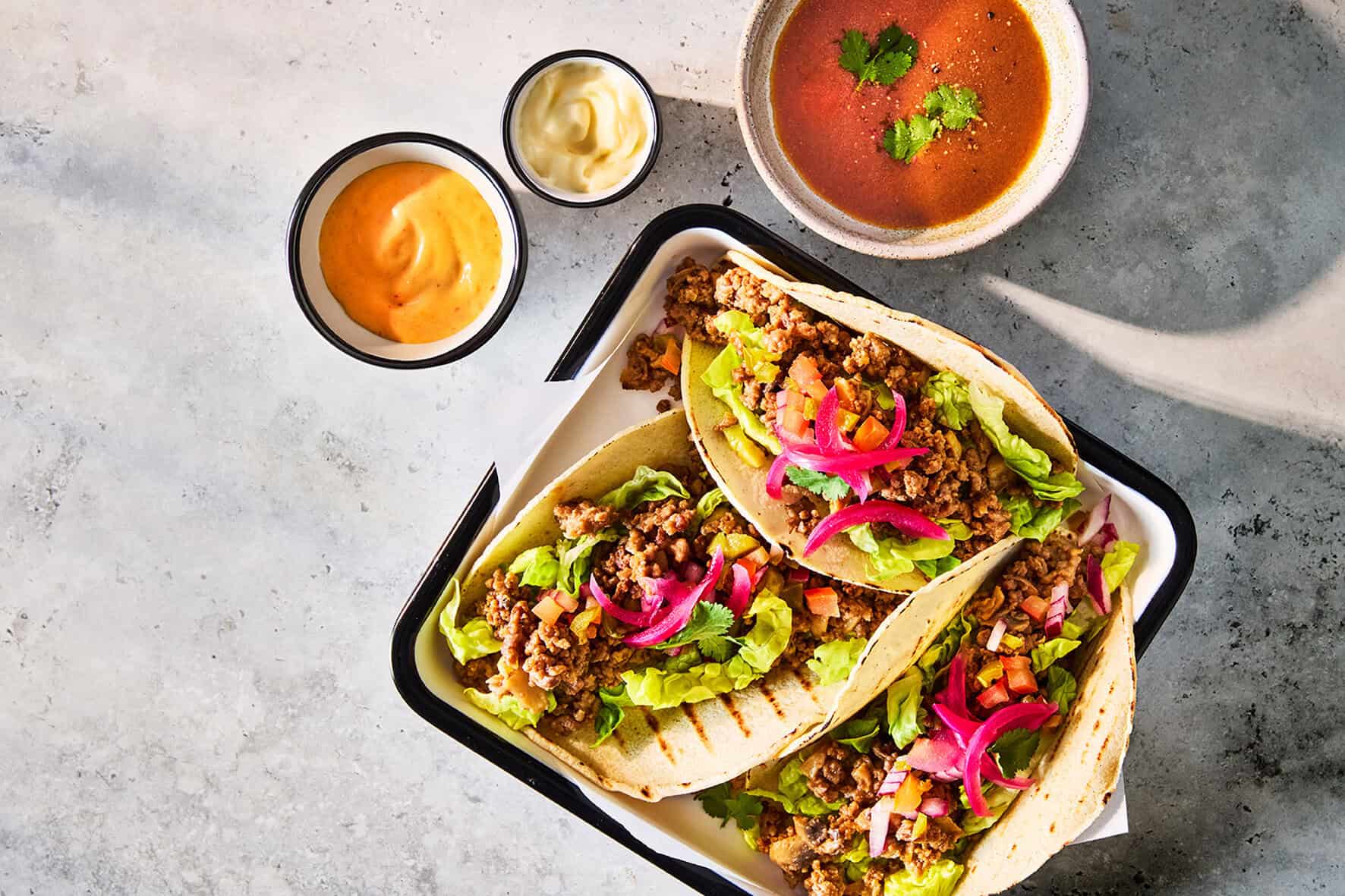
William White Meats has launched UltiMeat, a hybrid range built with QuornPro that blends beef with Quorn mycoprotein and is already listed through Brakes. The line takes a reformulation approach that keeps familiar foodservice formats intact while reducing the beef content underneath, a tactically easier sell for operators that care about cost, cookability and menu stability as much as sustainability.
The range covers four products: 57g burgers, 114g burgers, meatballs and mince. That matters because these are some of the most flexible items in commercial kitchens, where a single base protein can move from burgers to bowls, pasta dishes and plated mains without forcing a full menu redesign. William White Meats, the family-run butcher supplying bespoke meat-based solutions to foodservice, said the products were refined through meetings and tabletop sampling with the QuornPro chef team before full production.

Brakes’ listings give the clearest read on how the line is being positioned for operators. The 57g burger delivers 15.3g of protein and 3.25g of fibre per 100g, while the 114g burger provides 17.8g of protein and 2.8g of fibre. The mince is described as combining beef with sustainable mycoprotein to deliver rich, meaty depth, balanced texture and consistent performance across a wide range of dishes. That combination is the point: the products are meant to feel familiar on the pass while changing the protein profile and carbon math behind the scenes.
William White Meats says the mycoprotein-based mince has a carbon footprint 95% lower than UK beef mince, citing Quorn Footprint Comparison Report 2023 and Carbon Trust 2023. Quorn says mycoprotein is made by fermenting the fungus Fusarium venenatum, and that the ingredient is high in protein and fibre, low in saturated fat and contains all nine essential amino acids. Quorn also says its mycoprotein requires 90% less land, water and carbon emissions than animal protein, while its nutrition pages put the footprint at 55 times lower than beef, water use 13.5 times lower and land use 5.5 times lower, based on the Carbon Trust 2023 comparison.
That longer arc helps explain why UltiMeat lands as more than a product launch. Quorn says the organism was identified after testing 3,000 microorganisms and first traced to a garden in Marlow, Buckinghamshire, before decades of fermentation development turned it into a commercial ingredient. In foodservice, where repeatability and margin often decide what survives on the menu, hybrids like UltiMeat look less like a compromise than a practical route to wider protein reformulation.
This article was produced by Prism’s automated news system from verified source data, official records, and press releases, then run through automated quality and moderation checks before publishing. The system is built and supervised by the people who set the standards it runs under. Read our full AI policy.
Did this article answer your question?