World Cup gives dairy a global stage for health messaging
The World Cup lets dairy talk protein, recovery and family nutrition at global scale, but only if the message feels earned, not borrowed from football hype.
The scale is the story
The 2026 FIFA World Cup is not just another sports sponsorship window. It is a 48-team, 104-match tournament spread across 16 host cities in Canada, Mexico and the United States, with the opening match set for Thursday, 11 June 2026, in Mexico City and the final on Sunday, 19 July 2026, in New York New Jersey. That footprint matters because FIFA calls the World Cup its most effective international marketing platform, one that reaches millions of people in more than 200 countries.
For dairy, that kind of reach changes the conversation. A category that has spent years trying to move beyond heritage and habit suddenly has a stage big enough to connect nutrition, performance and everyday family use in the same campaign. The commercial partnerships around the tournament are designed to support football development through reinvestment, which makes the whole platform feel less like a one-off ad buy and more like a system built for long-term brand and category building.
Why dairy fits this moment better than most food categories
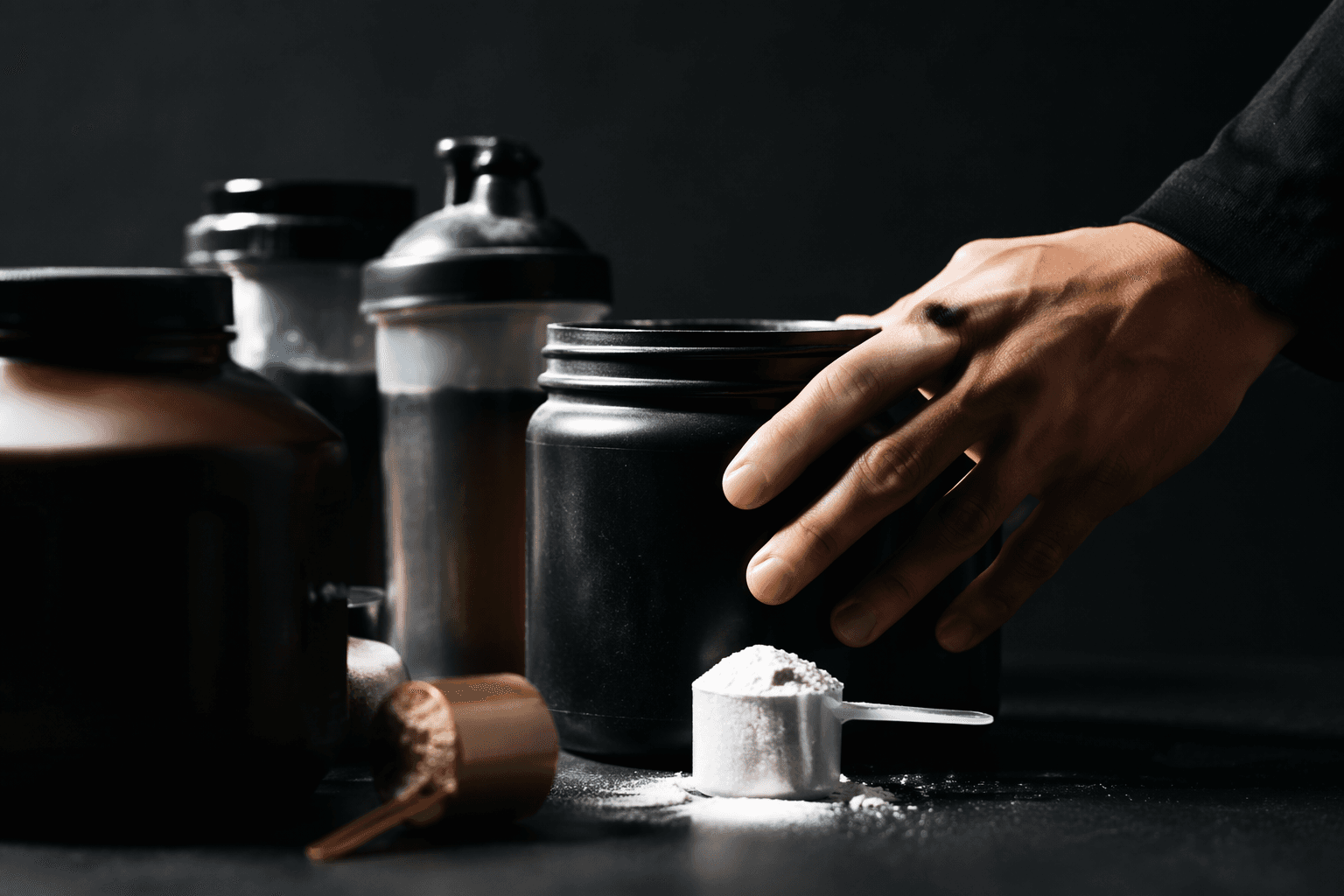
Dairy has a real opening here because football naturally invites questions of stamina, recovery and repeat performance. That gives brands a clean way to talk about protein, muscle maintenance, hydration support and better-for-you occasions without forcing the message. The trick is to stay specific. Milk after training, whey after hard sessions, high-quality protein for active people, and family-friendly nutrition at home all land better than generic claims about “fueling champions.”
This is also where the category can stretch in two directions at once. Branded dairy can lean into emotional, consumer-facing storytelling, while ingredient businesses can use the same tournament to sharpen B2B conversations about performance nutrition, recovery and formulation. In a market crowded with wellness claims, a global sports event provides cultural permission, but only if the message is tied to a clear use case instead of a slogan.
What the sports-nutrition case already says
Dairy does not need to invent a new story from scratch. The U.S. Dairy Export Council says there is growing interest in fluid milk and whey protein for athletes and active people who want to improve training diet and recovery after exercise. It also says whey proteins can support faster recovery after exercise, which gives marketers a functional, sports-specific claim that fits naturally inside a performance narrative.
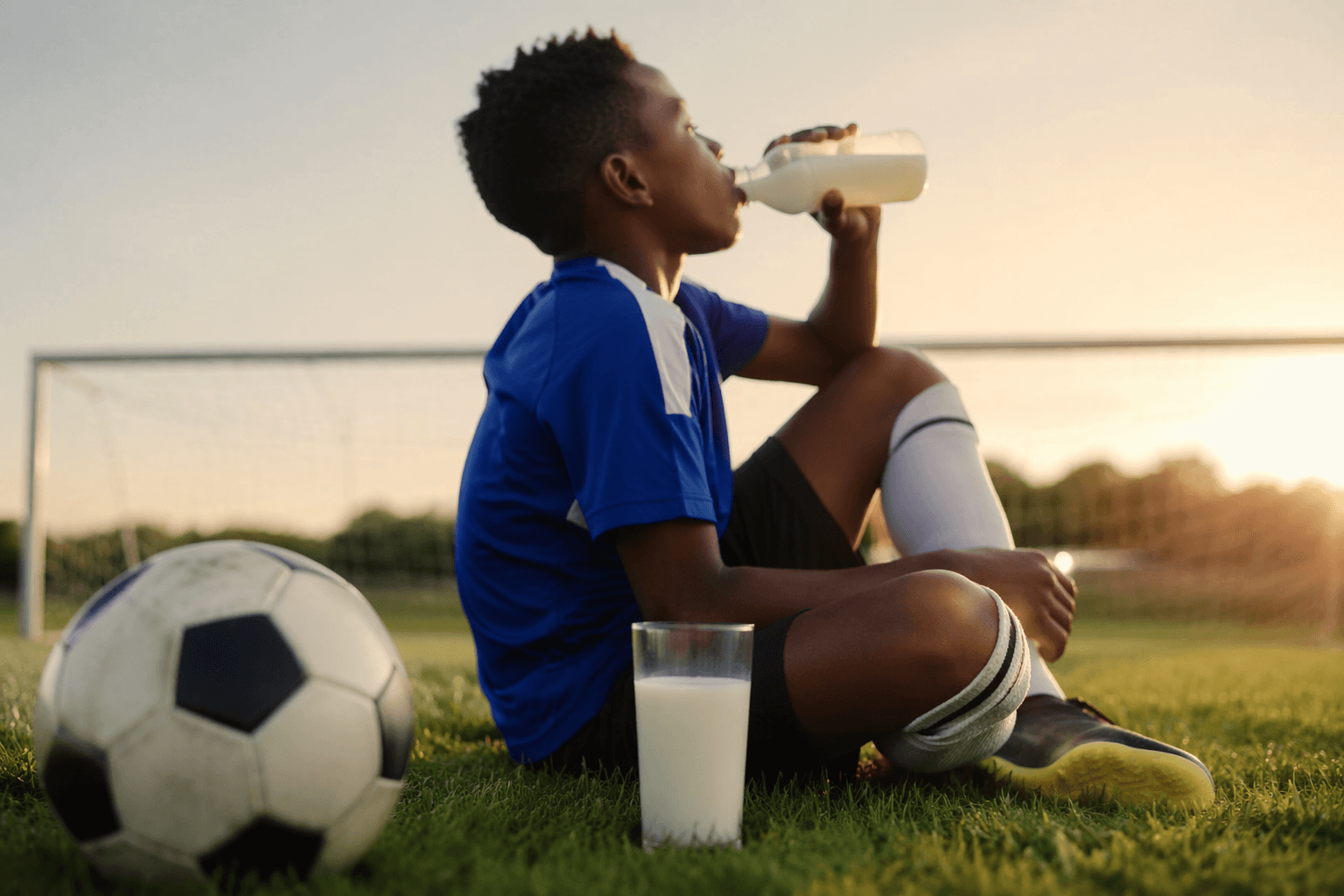
There is also a longer-running argument around milk as a recovery beverage. A U.S. Dairy overview says milk after exercise can be as effective as some sports drinks for refueling, recovery and rehydration. That is an important framing point because it positions dairy not as a nostalgic comfort product, but as a practical post-exercise option with a place in real training routines. The strongest campaigns will make that feel usable, not academic.
How to make the World Cup message credible
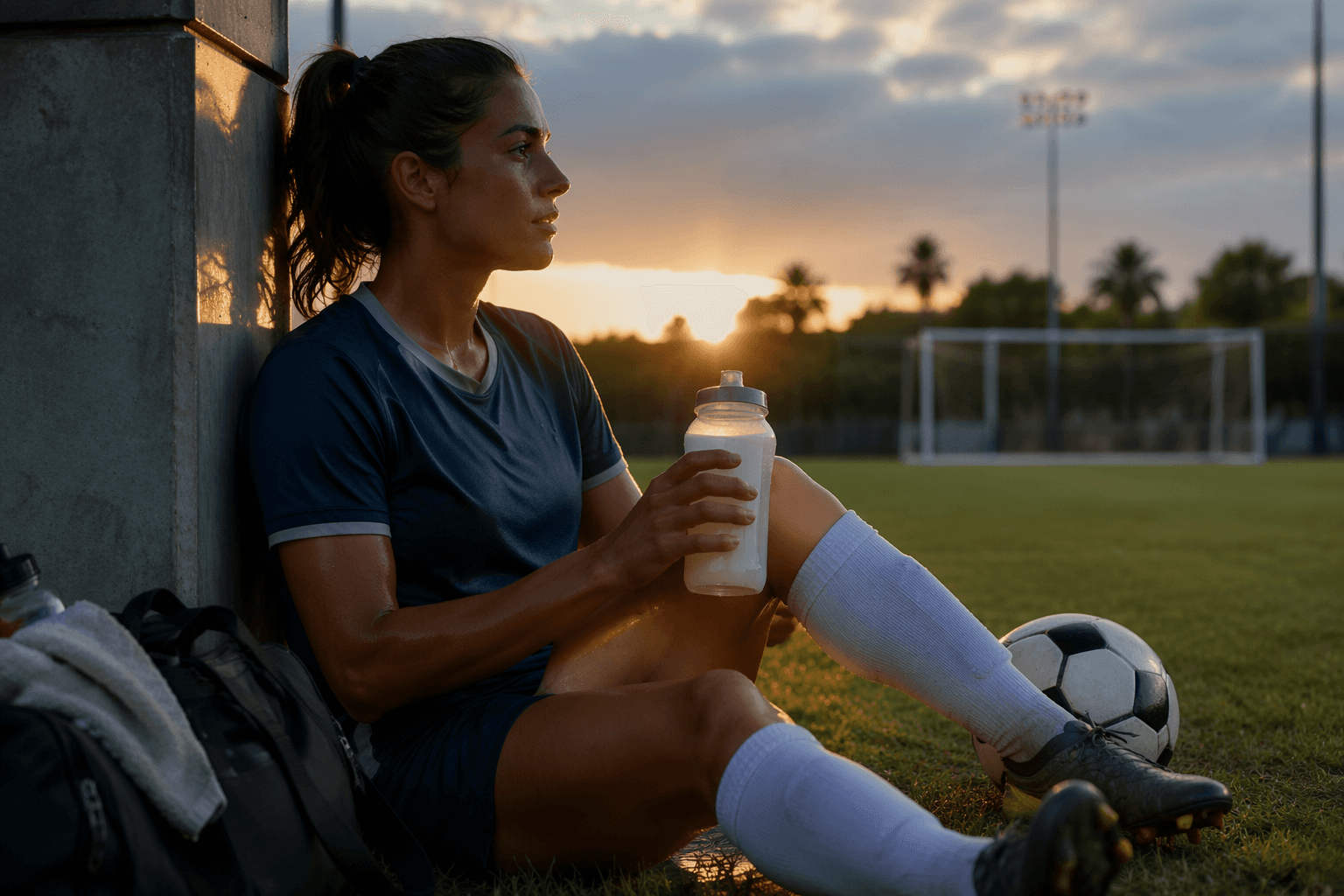
The best dairy campaigns will avoid treating football as decorative wallpaper. If the sport is only used to borrow excitement, the message will collapse into the same tired playbook that has made so many food sponsorships forgettable. Credibility comes from matching the product to the moment: recovery after a match, protein after training, milk in the household fridge, or whey in an athlete’s regimen.
A smart World Cup strategy can look like this:
- Use athlete endorsements only when the athlete can speak to training, recovery or family routines in a believable way.
- Build retail promotions that connect event viewing to practical consumption occasions, not just jersey graphics and sweepstakes.
- Treat event-linked activations as a way to teach, not just decorate, by showing how milk, yogurt or whey fit into daily performance habits.
- Keep the nutrition language simple enough for consumers, but specific enough to stand up in a crowded health market.
That approach matters because the World Cup is not a niche event. It spans North America, with host cities including Toronto, Vancouver, Guadalajara, Monterrey, Atlanta, Boston, Dallas, Houston, Kansas City, Los Angeles, Miami, Philadelphia, Seattle and the San Francisco Bay Area. A message that works in that environment has to travel across cultures, viewing habits and shopping missions without losing its practical edge.
What dairy already knows from past sports marketing
There is precedent for using elite sport to validate dairy’s performance story. In 2016, a Milk Life and Team USA sponsorship tied milk to the U.S. Olympic and Paralympic teams and included TV advertising, retail promotions and athlete sponsorships. That matters because it shows the category already knows how to link nutrition messaging with national pride, broad visibility and retail execution.
The difference now is scale. The World Cup is more global, more commercially concentrated and more culturally expansive than a typical campaign window. That makes it a stronger test case for whether dairy can move from “good for you” messaging to a sharper, more modern performance narrative. If the category can make milk, whey and other dairy formats feel relevant during football’s biggest global event, it can use that association well beyond the tournament itself.
Where the messaging can go wrong
The biggest risk is generic sports-marketing cliché. If a campaign says only that dairy “powers champions,” “fuels victory” or “supports greatness,” it will sound like every other sponsor in the stadium. Consumers are already oversaturated with wellness language, and football fans can spot borrowed intensity quickly. The point is not to shout louder than the next brand.
A better approach is to be concrete about function and use:
- Recovery: after matches, training sessions and long viewing days that end in the kitchen, not just on the pitch.
- Energy: as part of regular meal routines that support active lifestyles.
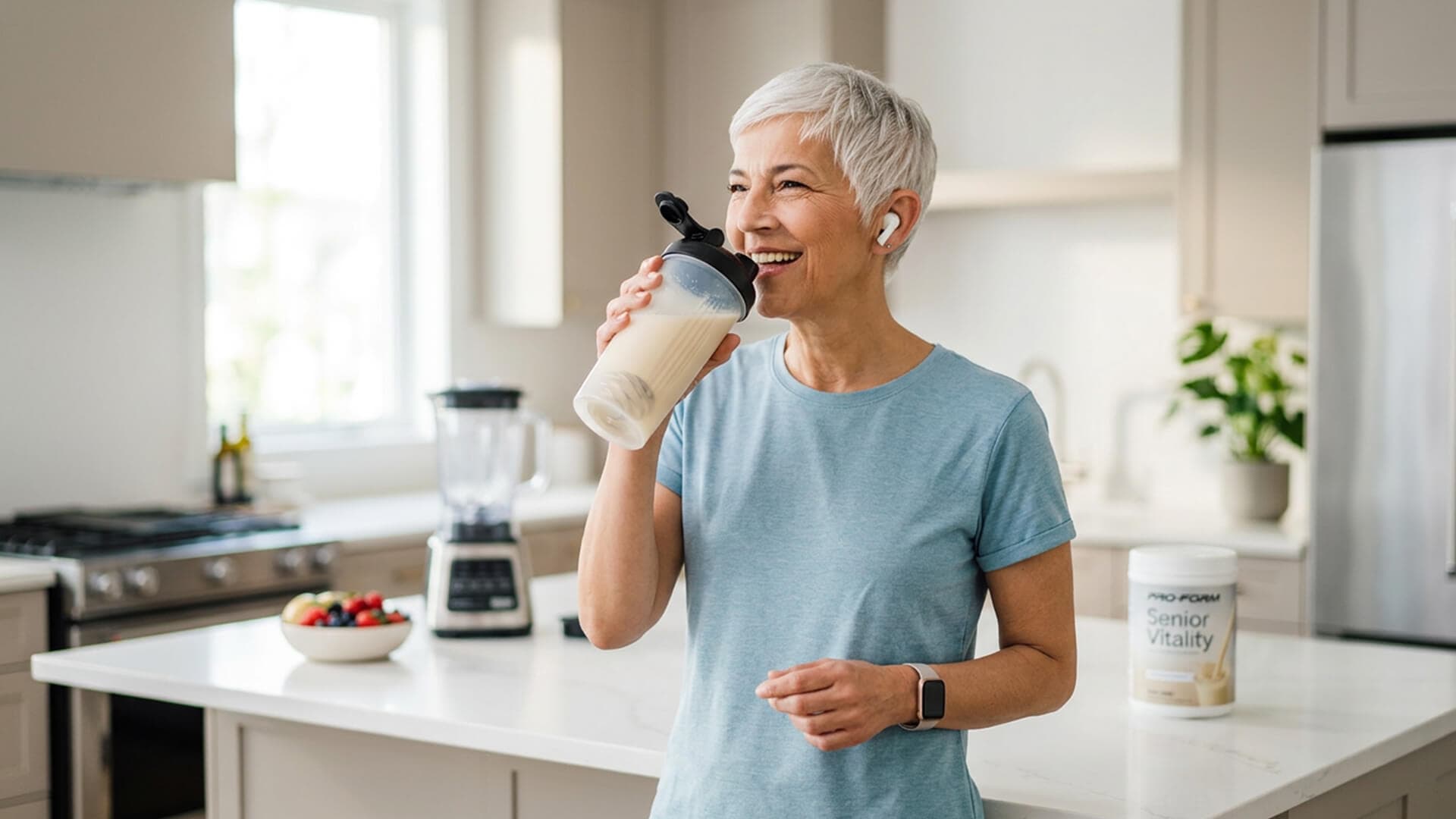
- Family nutrition: as a household staple that works for kids, parents and athletes without changing identity every four years.
- Premium positioning: for brands that want to connect dairy with aspiration, visibility and performance without losing credibility.
That is where this World Cup becomes more than a sponsorship opportunity. It becomes a global test case for whether dairy can tell a sharper health story in a category where the basics are already understood, but the meaning is still up for grabs. The brands that win will not be the ones that borrow the loudest sports language. They will be the ones that make protein, recovery and everyday nutrition feel like the most natural fit in the stadium and at the table.
This article was produced by Prism’s automated news system from verified source data, official records, and press releases, then run through automated quality and moderation checks before publishing. The system is built and supervised by the people who set the standards it runs under. Read our full AI policy.
Did this article answer your question?