YouBar outlines how to launch protein snack brands in 2026
Protein snack launches now rise or fail on MOQ, shelf life, and FDA-ready labels, not just macro counts.
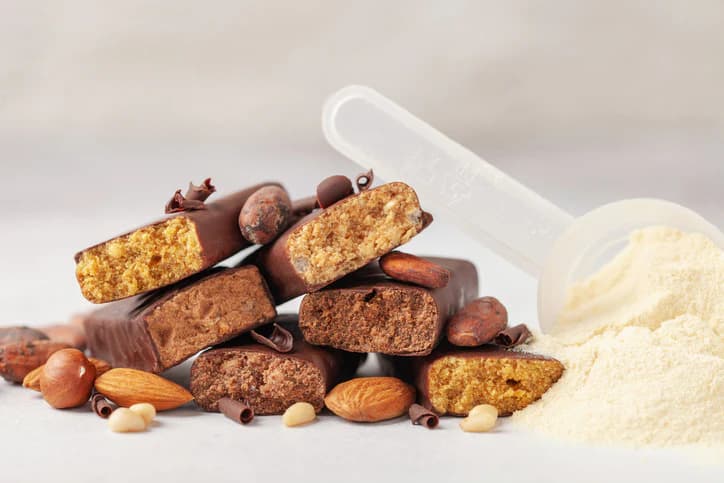
Torg’s high-protein-snacking analysis calls the format “an everyday choice,” but the launch math begins with operations, not branding. Founders have to decide what job the product performs, then build the formula, package, and production plan around that answer, the same sequence laid out in YouBar’s roadmap.
Start with the job the snack is hired to do
The first decision is not whether the product can hit a protein target. It is whether the snack exists for satiety, muscle support, weight management, or simply to be a better-for-you snack that fits an ordinary day. That positioning cascades into protein source, sugar level, flavor profile, and package format, and it changes the economics if the brand is aiming at sports nutrition, mainstream snacking, or full meal replacement.
The category has widened enough that this choice now reaches beyond bars. Protein snack market reports segment the field into protein bars, chips and crisps, cookies and biscuits, yogurt and dairy snacks, nuts and seeds, and other formats.
Formulation is where simple ideas get complicated
Protein snacks fail most often in the details consumers never see. High protein, low sugar, and shelf-stable is a hard triangle to balance, especially when texture has to stay pleasant after commercial production, shipping, and time in pantry storage. Moisture, binding, sweetness, and ingredient functionality all have to line up or the product turns chalky, dry, gummy, or unstable.
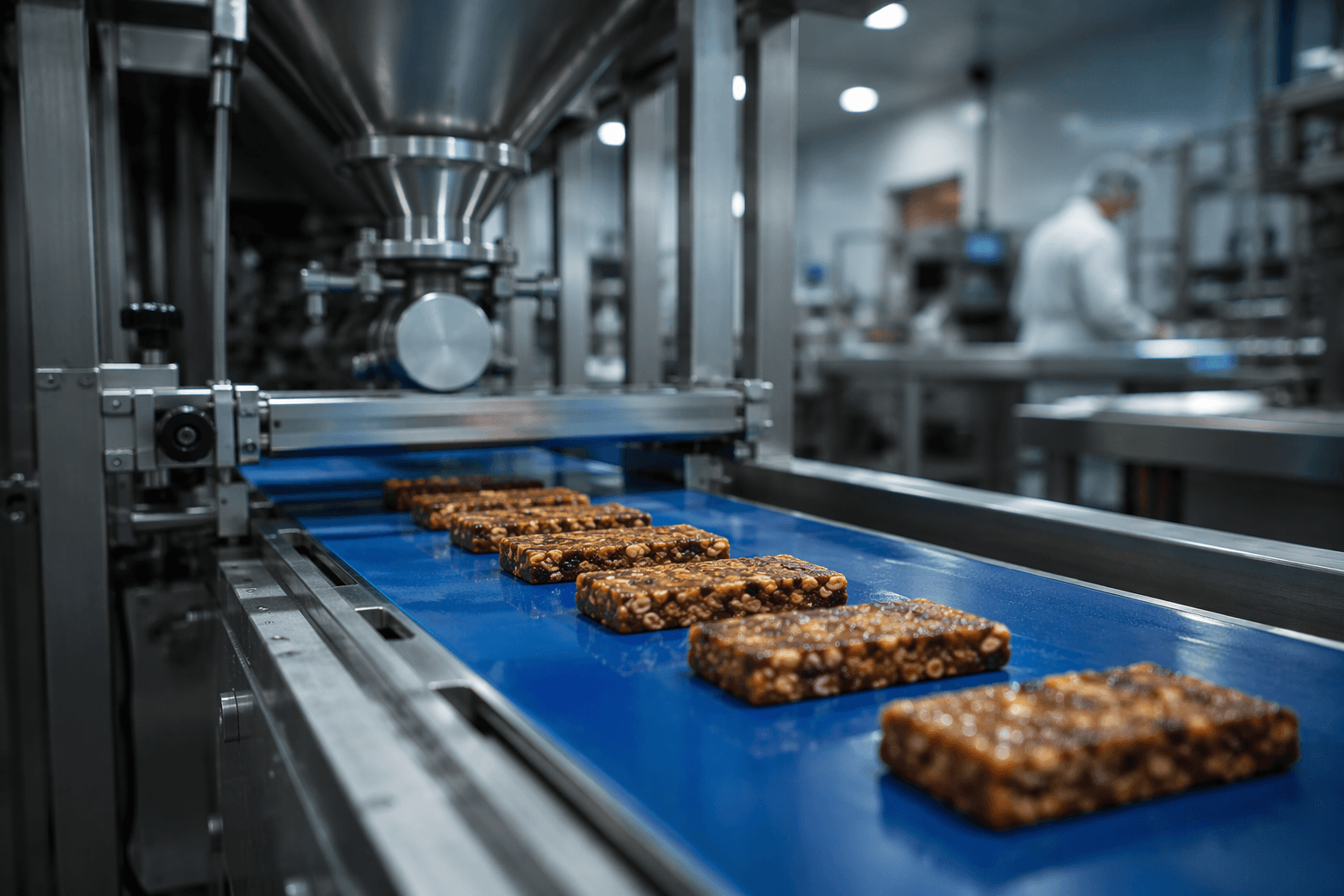
A consumer may see a bar, bite, ball, or crisp snack that feels effortless to eat, but behind it sits a pile of decisions about how the protein behaves, how sweetness is managed, and how the structure survives scale-up. The market has become technically diverse too, with bar reports now separating plant and animal proteins, hybrid formulations, snack bars, sports nutrition bars, meal and weight-management bars, breakfast bars, dessert-style bars, and clinical or medical-style bars.
Manufacturing is the real gate to the shelf
Once a formula works in a test kitchen, the next test is whether a co-manufacturer can actually run it at scale. Minimum order quantities, quality control, packaging constraints, and co-manufacturing relationships determine whether a brand can launch on a realistic budget and timeline. For founders, this is where a promising concept often collides with the economics of production runs, line changeovers, and package materials that can handle the product without breaking the margin.
Shelf life is just as decisive. Retail buyers want confidence that a snack will hold up in stores, warehouses, and consumer pantries, and that confidence shapes whether a brand gets a chance to expand beyond direct-to-consumer sales.
Compliance has moved from back-office task to launch criterion
The label now has to be designed with the formula, not after it. The FDA finalized an updated “healthy” nutrient content claim in December 2024, and its food-labeling resources cover nutrient content claims, front-of-package nutrition labeling, and changes to the Nutrition Facts label.
Allergen control has become just as central. The FDA finalized Edition 5 food allergen guidance documents in January 2025, and its food allergen labeling guidance remains a key reference for packaged food brands focused on consumer protection. The agency also scheduled a virtual public meeting and listening session on food allergen thresholds for February 18, 2026.
The market is still growing, which makes execution stricter
The launch environment is getting more crowded and more professionalized at the same time. The Business Research Company, Research and Markets, Fortune Business Insights, and Persistence Market Research have all published protein-snack and protein-bar reports extending into 2033, 2034, or later. Fortune Business Insights’ protein snacks report carries a 2026-2034 forecast period.
This article was produced by Prism’s automated news system from verified source data, official records, and press releases, then run through automated quality and moderation checks before publishing. The system is built and supervised by the people who set the standards it runs under. Read our full AI policy.
Did this article answer your question?