A Simple Gesture builds a more inclusive volunteer network
A wider volunteer pipeline can make A Simple Gesture more reliable, trusted, and resilient by removing the barriers that keep neighbors from showing up and staying.
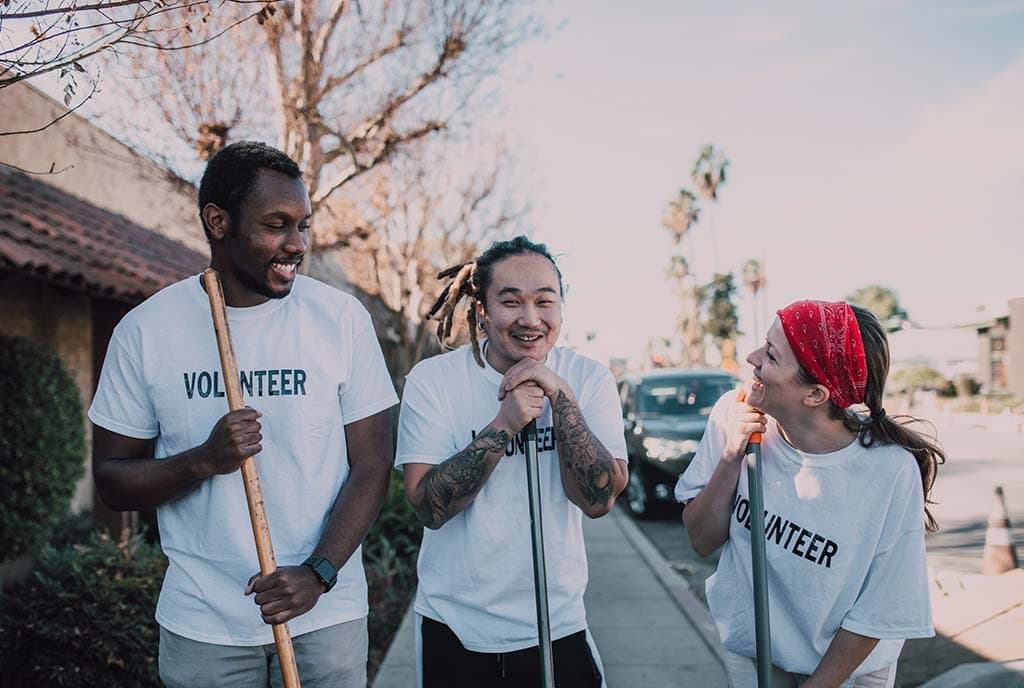
The difference between a volunteer program that looks open and one that actually works usually shows up in the details: who gets recruited, who can understand the instructions, who can fit the shift into a real week, and who feels like they belong enough to come back.
For a neighborhood food recovery network like A Simple Gesture, that is not a side issue. Volunteer inclusion shapes pickup reliability, route coverage, pantry relationships, and the organization’s reach across the community it serves. The clearest lesson from the research is simple: inclusion is not only about who gets invited in, it is about whether the program is designed so people can actually participate and stay involved.
Why inclusion is an operational strategy
Volunteer pools can narrow fast when an organization keeps drawing from the same familiar circles. That may feel efficient at first, but it leaves whole segments of the community out of civic participation, including people who are Latinx, trans, neurodivergent, poor, or Muslim. For a food donation network, that kind of narrowing can quietly weaken operations, because the volunteer base stops reflecting the neighborhoods, schedules, languages, and lived experience of the people the program is trying to serve.
The research points to a broader truth that matters for A Simple Gesture’s model: a more representative volunteer team can make the program more stable, more trusted, and more responsive to real neighborhood needs. If the people helping with green bag pickups, pantry coordination, and local outreach understand different kinds of household constraints, they are better positioned to spot barriers that a uniform group might miss, from transportation challenges to cultural food preferences to communication styles.
That is why inclusion belongs in the same conversation as route planning and retention. A volunteer model that reflects the community can improve the quality of the work, not just the appearance of it.
Recruitment has to reach beyond the usual networks
The biggest mistake is assuming that a public invitation is enough. The research warns that organizations often want a broader volunteer base but struggle to achieve it in practice, especially when they rely on the same circles year after year. For A Simple Gesture, that means generic recruitment is unlikely to bring in the mix of people needed to strengthen a neighborhood food recovery system.
Better recruitment starts with intentional outreach to underrepresented neighborhoods and communities. That can mean showing up in places where potential volunteers already gather, building relationships with local groups that have different cultural roots, and making the volunteer role legible to people who may not recognize themselves in a standard nonprofit pitch.
- Messaging that names who is welcome, rather than assuming everyone will infer it.
- Outreach beyond the usual donors, civic clubs, and long-time supporters.
- Materials that explain what the work actually looks like, so new volunteers can picture themselves in it.
- A clear invitation to people with different abilities, languages, schedules, and transportation access.
A stronger recruitment design usually includes:
That matters because the volunteer pipeline is not just a communications problem. It is a design problem. If the only people who respond are those who already have the time, confidence, and social comfort to join, the program will keep reproducing the same narrow base.
Language access, scheduling, and task design decide who stays
Retention depends on whether participation feels manageable after the first sign-up. The research makes the case for multilingual instructions, more flexible shifts, and different kinds of tasks for different abilities. Those are not small conveniences. They are the difference between a volunteer program that welcomes a broad community and one that quietly filters people out.

For A Simple Gesture, that may mean making sure green bag pickup instructions are easy to understand in multiple languages, not just in a single standard version that assumes fluency and familiarity with nonprofit culture. It may also mean offering roles beyond the most physically demanding ones, so people can contribute through route support, communications, sorting, pantry coordination, or phone follow-up when lifting or driving is not the right fit.
Scheduling matters just as much. Flexible shifts can open the door to people with caregiving responsibilities, shift work, school schedules, observance commitments, or inconsistent access to transportation. If the organization wants a volunteer base that looks more like the community, it has to acknowledge that not everyone can show up on the same terms.
The strongest programs reduce friction before it becomes dropout. They do not ask new volunteers to work around every obstacle on their own.
Leadership pathways make inclusion durable
Inclusion becomes much more meaningful when people can move from helping out to helping shape the work. Otherwise, a program can recruit broadly while still concentrating decision-making in a small, familiar group. That creates a gap between participation and power, and over time that gap can undermine trust.
For a food recovery nonprofit, leadership pathways are part of retention. When volunteers from different backgrounds can become route leads, team coordinators, pantry liaisons, or onboarding helpers, the organization builds a bench of people who understand the community from different angles. That is especially valuable in a system that depends on coordination across pickup routes, household donors, and food pantry partnerships.
The research suggests a practical question for coordinators: who gets to move from being served to helping steer? If the answer is always the same kind of person, the program may be missing the local knowledge that keeps it resilient. A more inclusive leadership ladder also signals that volunteers are not being used only for labor. They are being developed as part of the organization’s civic infrastructure.
What this changes for A Simple Gesture
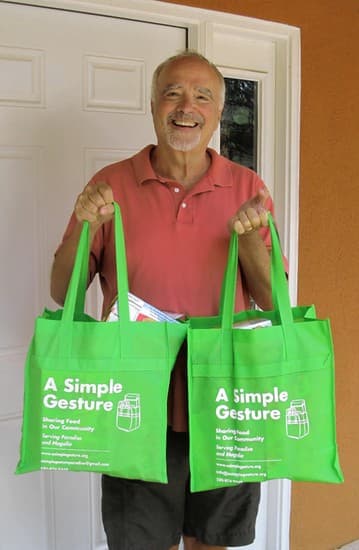
The central point is not abstract. A more inclusive volunteer network can help A Simple Gesture do its work better. It can strengthen retention because volunteers are less likely to leave when the role fits their lives. It can widen outreach because people are more likely to respond to a program that speaks their language and respects their realities. And it can improve trust because the people helping with food recovery are more likely to understand the neighborhoods, food preferences, and communication norms of the people receiving support.
That is what makes inclusion an effectiveness strategy rather than a values statement. A neighborhood food donation network works best when the people carrying it out are not all drawn from the same narrow slice of the community. The more the volunteer system removes barriers and shares responsibility, the more reliable the pickups become, the stronger the pantry relationships get, and the more durable the whole operation becomes.
In food recovery, scale is not just about adding more names to a list. It is about building a volunteer culture that people can actually enter, use, and sustain.
This article was produced by Prism’s automated news system from verified source data, official records, and press releases, then run through automated quality and moderation checks before publishing. The system is built and supervised by the people who set the standards it runs under. Read our full AI policy.
Did this article answer your question?