A Simple Gesture can learn from pantries adding services beyond food support
The strongest pantries now solve more than hunger. They connect food with jobs, benefits, housing, and dignity, and that shift changes how families stabilize.
From food pickup to community hub
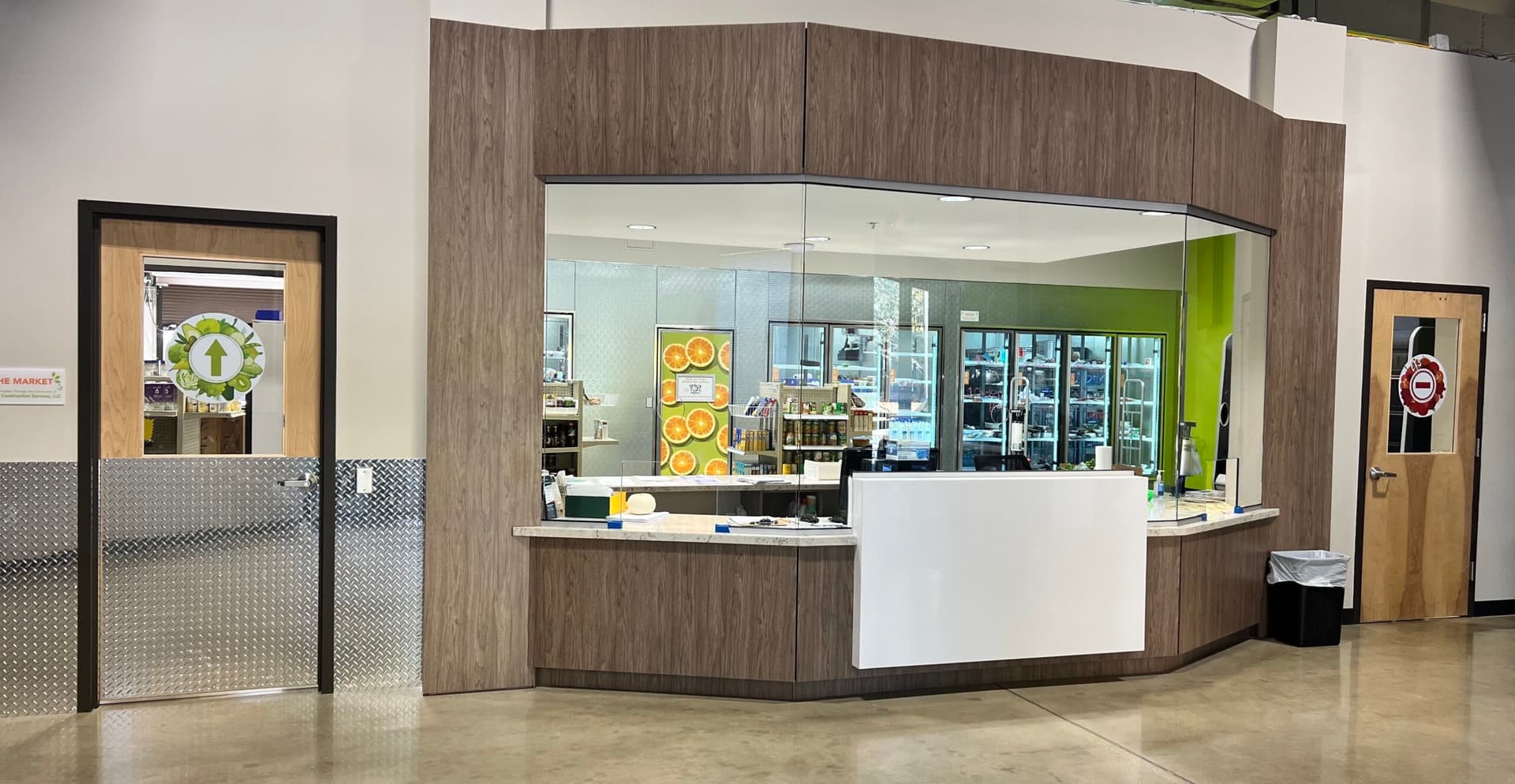
The most important change in charitable food work is not just more food on the shelf. It is the move toward one-stop spaces where a neighbor can get groceries, ask about benefits, and leave with a clearer path through the rest of life’s daily barriers. That is the model emerging in places like Loudoun County, Virginia, and Kittery, Maine, where food pantries are being rebuilt as community hubs instead of isolated distribution points.
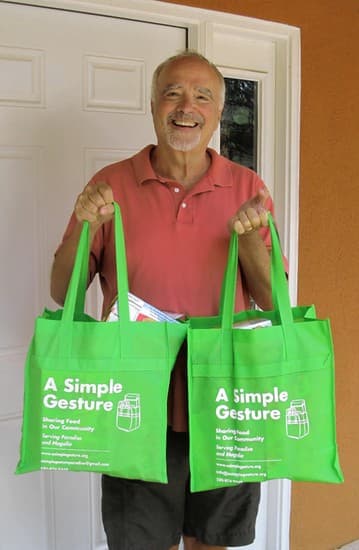
For A Simple Gesture, that evolution matters because food recovery is strongest when it sits inside a wider support network. A doorstep green bag program can keep pantries stocked, but the families those pantries serve often need much more than inventory. They need a system that reduces trips, reduces confusion, and reduces the shame that can keep people from asking for help in the first place.
Why added services change outcomes
The pantries that are changing the conversation are not abandoning food. They are wrapping food around services that solve the problems that keep households unstable. That includes employment help, medical support, literacy classes, SNAP help, and financial guidance, all delivered in spaces designed to feel welcoming and efficient rather than transactional.
Loudoun Hunger Relief offers a clear example. Its new Community Services Center held a ribbon cutting on September 28, 2023, after a $3 million capital campaign led by The Claude Moore Charitable Foundation. The center combines a newly expanded grocery-style food market with co-located nonprofits including Loudoun Literacy, Crossroads Jobs, and Loudoun Volunteer Caregivers. Loudoun Hunger Relief has said more than 14,000 Loudoun County residents need food assistance each year, which helps explain why a single visit that can address multiple needs is more effective than sending a family from office to office.
The practical value is easy to see. Literacy support can help someone navigate forms. Job help can move a parent toward steadier hours. Volunteer caregivers can fill gaps that make it possible to keep medical appointments. Once those pieces sit next to the pantry, food stops being the only intervention and becomes the entry point.
The hub model reduces friction, and that is the point
The best versions of this model follow a no wrong door approach. A person might arrive for a pantry visit, a literacy class, or help with public benefits and still leave with support in more than one area of life. That reduces the number of stops a family must make, but it also reduces the chance that someone falls through a crack between agencies.
The idea shows up in federal and nonprofit policy language too. Community care hubs are described as a way to coordinate health and social care while reducing administrative burdens for community-based organizations. In plain terms, that means one place can help connect food, health, and social services without forcing the client to become the dispatcher.
That logic also matches what research on emergency food assistance has long shown: stigma and dignity shape whether people seek help at all. A welcoming market, a warm handoff, and a clean referral pathway can matter as much as the food itself because they change the experience from emergency triage to coordinated support.
What A Simple Gesture can borrow from that model
A Simple Gesture-Guilford County already has a mission that fits this broader view. Established as a 501(c)(3) nonprofit in 2015, it says its purpose is to engage the community to provide a sustainable supply of food to local food pantries in Guilford County. Its food recovery program rescues edible food from businesses and delivers it to local nonprofits, which makes it a critical supply line in the county’s hunger response.
The organization also runs SHARE refrigerators in Guilford County schools. There, students can donate unopened, unwrapped food, and any student may take food if needed. That detail matters because it reflects the same dignity principle driving the hub model: food support works better when it is easy to access, low-barrier, and built around normal daily routines.
The next step is not to turn every route into a social-service office. It is to make sure chapter partnerships with pantries are designed around more than pickup windows and inventory counts. A Simple Gesture can strengthen warm handoffs to partners that handle SNAP help, job training, literacy, or housing guidance, so the food network becomes a bridge rather than a silo.
What the Maine model adds
Mainspring in Kittery, Maine, shows how far the hub concept can go when it is built as a collective. The project is structured as a group of nonprofit partners using centralized intake, assessment, data sharing, case management, and ongoing collaboration. That framework is designed to make help easier to navigate, not harder.
The site at 22 Shapleigh Road was described as an 8,000-square-foot former medical office slated for a 3,000-square-foot renovation and expansion estimated at $5.4 million. York County Commissioners approved a $750,000 allocation that helped kick-start the project, and reports said $3.5 million had been raised so far. The service mix planned for the Kittery campus is broad: a free food market, housing support, social services, legal aid, recovery programs, adult education, and related wraparound help under one roof.
The building was also tied to Fair Tide and Footprints Food Pantry, which shows the kind of partnership structure that turns a food site into a community anchor. It is not just a pantry with extra brochures. It is a coordinated network that expects people to arrive with overlapping needs and tries to handle those needs in one place.
The real cost of the hub model
This approach solves real problems, but it is not simple to run. The more services a pantry adds, the more staff time it needs for partner coordination, intake procedures, case management, data sharing, and follow-up. Even the best volunteer network cannot absorb that burden on goodwill alone.
For A Simple Gesture, that is the core tradeoff. The food recovery mission can become more impactful when it is connected to broader support, but every new referral pathway and partner agreement adds operational weight. Volunteer recruitment, route coordination, and pantry relationships have to be managed with the same care as the food itself, because the hub model depends on trust between organizations as much as it depends on donations.
That is why the strongest lesson is not to copy every service in every market. It is to build a network that helps neighbors move from food access to stability with as little friction as possible. In the best version of this model, the pantry is still about food, but it is no longer only about food.
This article was produced by Prism’s automated news system from verified source data, official records, and press releases, then run through automated quality and moderation checks before publishing. The system is built and supervised by the people who set the standards it runs under. Read our full AI policy.
Did this article answer your question?