Food banks expand kitchens to turn rescued food into school meals
Food banks are turning kitchens into production lines, with Eastern Oklahoma aiming for 12,000 frozen school meals a day and 1.7 million by 2028.
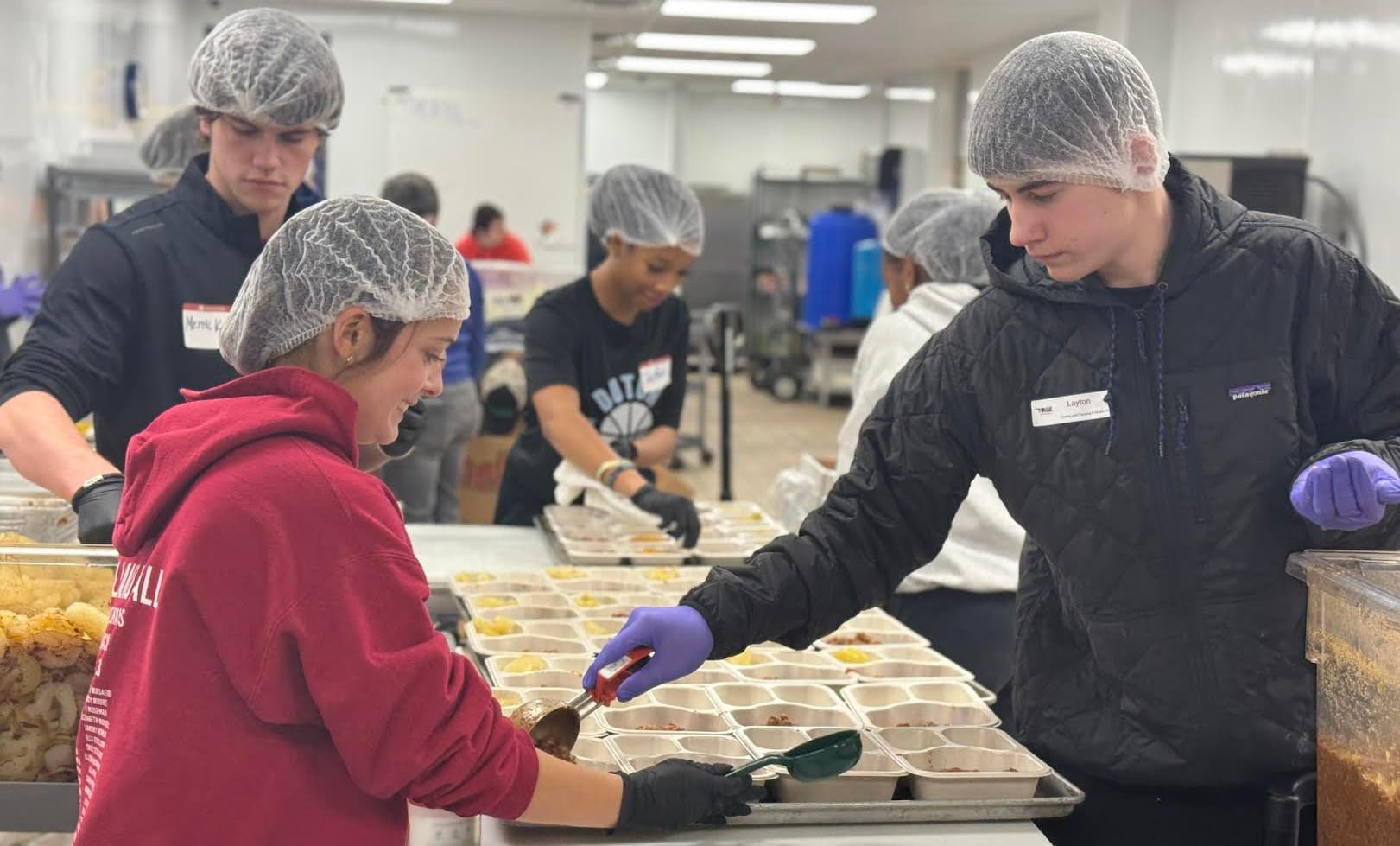
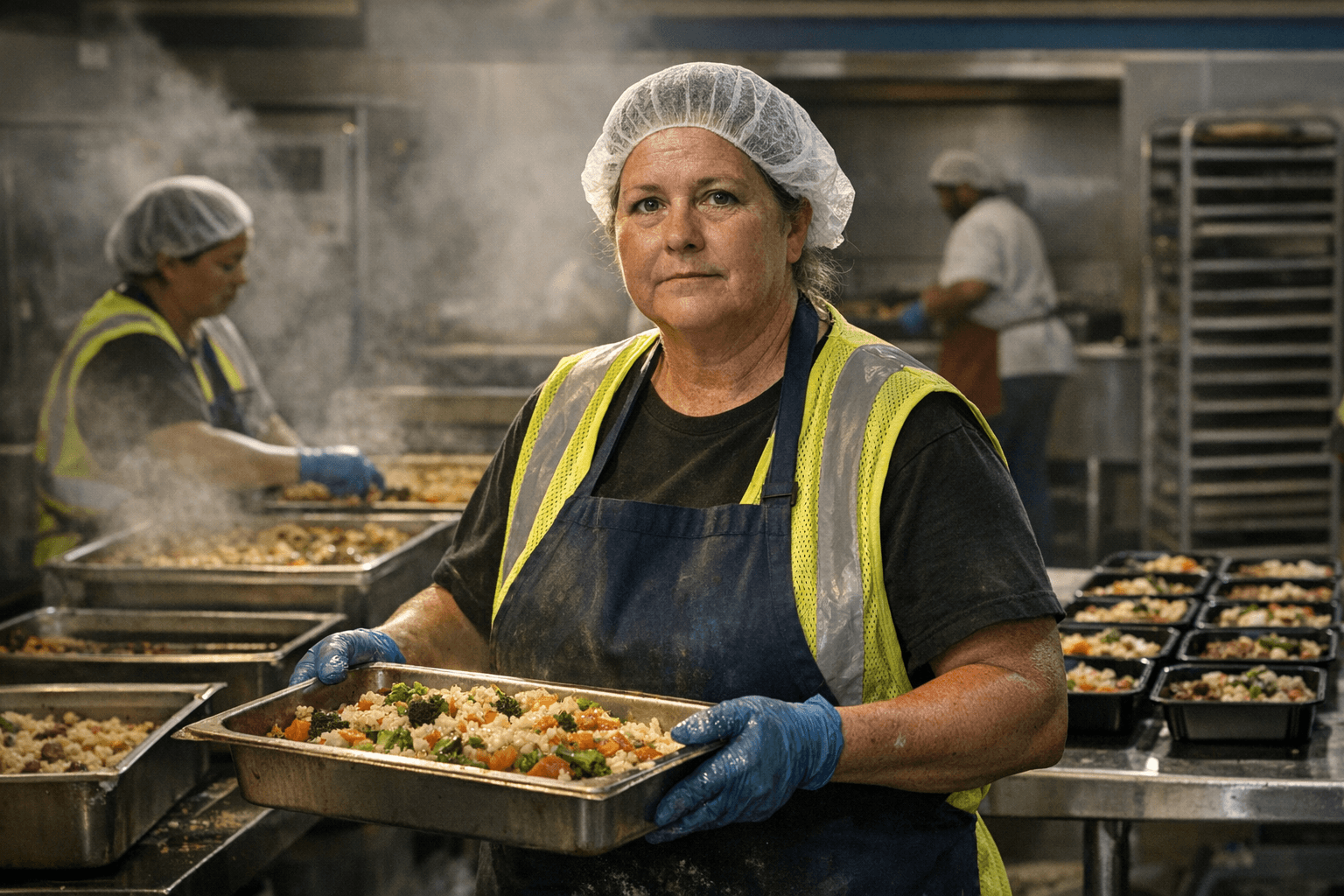
The anti-hunger model is changing from storage to production. At the Food Bank of Eastern Oklahoma, a renovated kitchen is being used to turn recovered and purchased food into frozen school meals at a scale that would have looked unthinkable a few years ago.
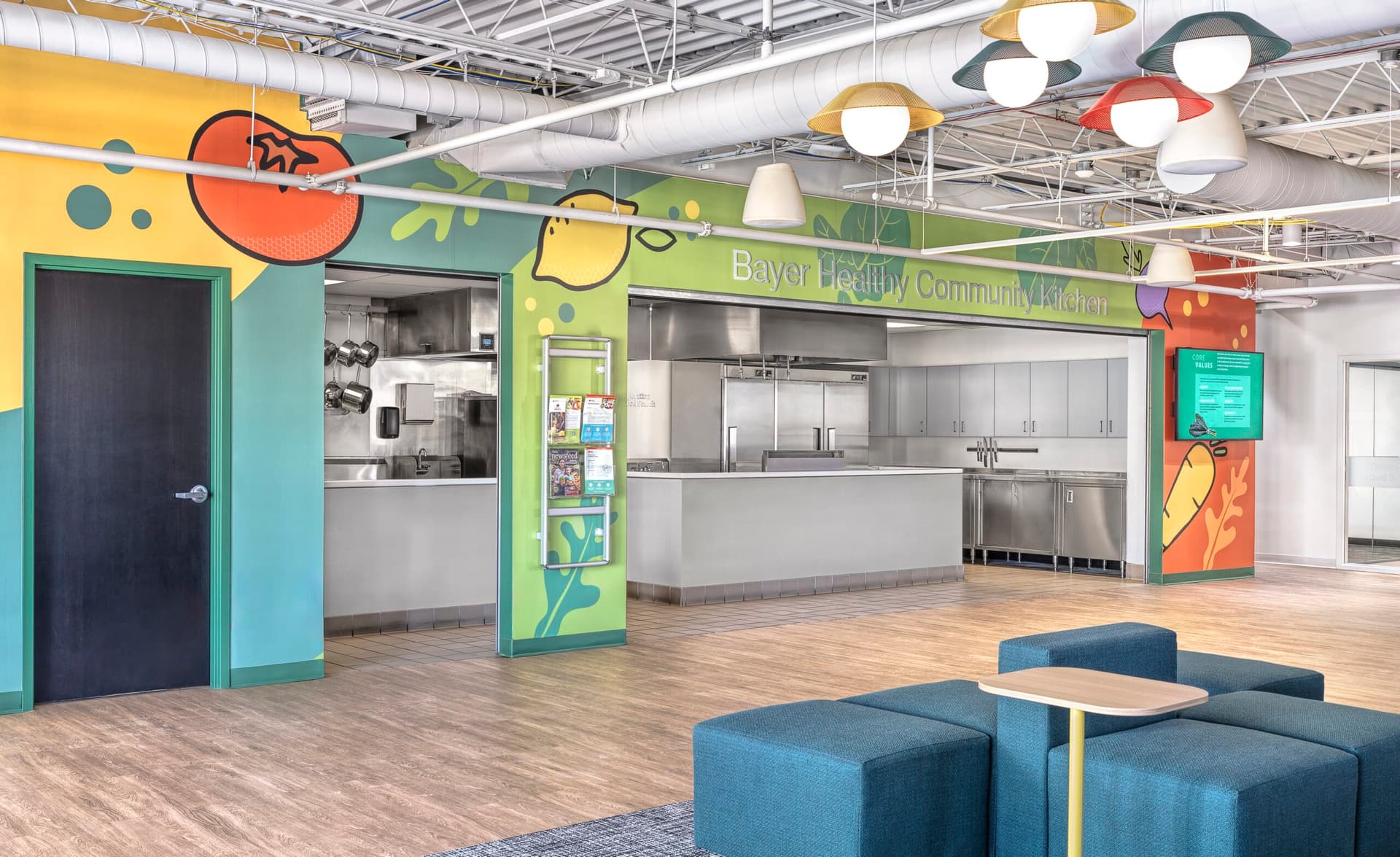
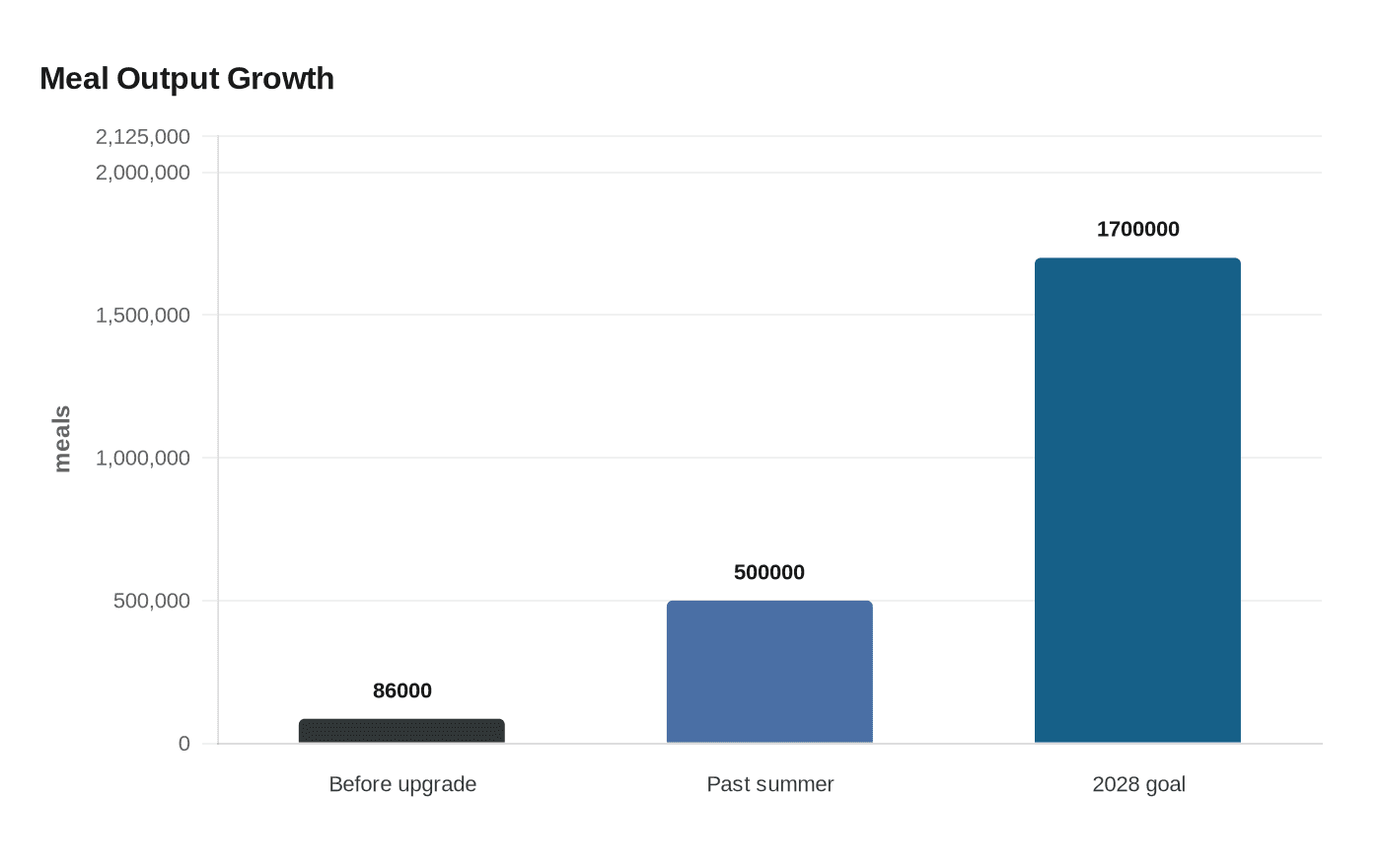
The expanded facility nearly doubled the size of the organization’s building footprint, giving it a 155,000-square-foot base for work across 24 counties in eastern Oklahoma. The kitchen renovation, completed in 2024, already helped push the food bank’s summer meals program from 86,000 meals before the upgrade to more than 500,000 meals this past summer. The kitchen is expected to run close to its 15,000-meal-a-day capacity once the new school-meal initiative is fully online.
That initiative, Feed Oklahoma, is backed by a three-year, $9.4 million legacy grant from the Tobacco Settlement Endowment Trust and is being run with the Regional Food Bank of Oklahoma. The plan is to expand access to nutritious meals for students in all 77 Oklahoma counties and, by 2028, reach more than 1.7 million meals a year across more than 200 schools. The scale matters in a state where nearly 1 in 4 children do not get enough to eat.
For food recovery groups, the operational lesson is blunt: the work is no longer just about collecting surplus food and moving it out the door. The more food banks can process, portion, freeze and package in-house, the more they can feed schools, homebound neighbors, disaster-response efforts and other programs that need ready-to-use meals instead of bulk donations. That shift brings new demands on staffing, food safety, procurement and route coordination, because a warehouse model cannot do the same job as a production line.
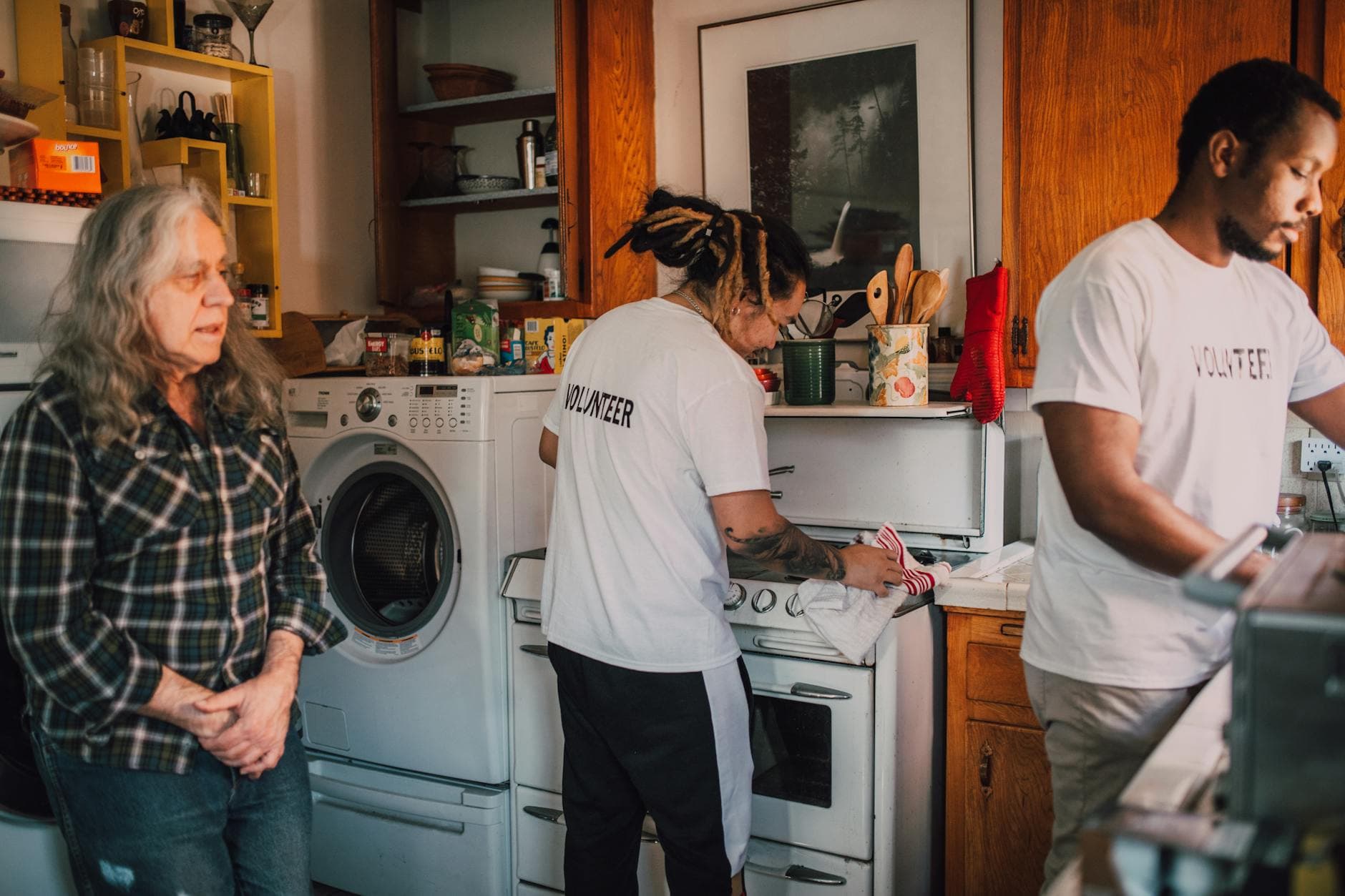
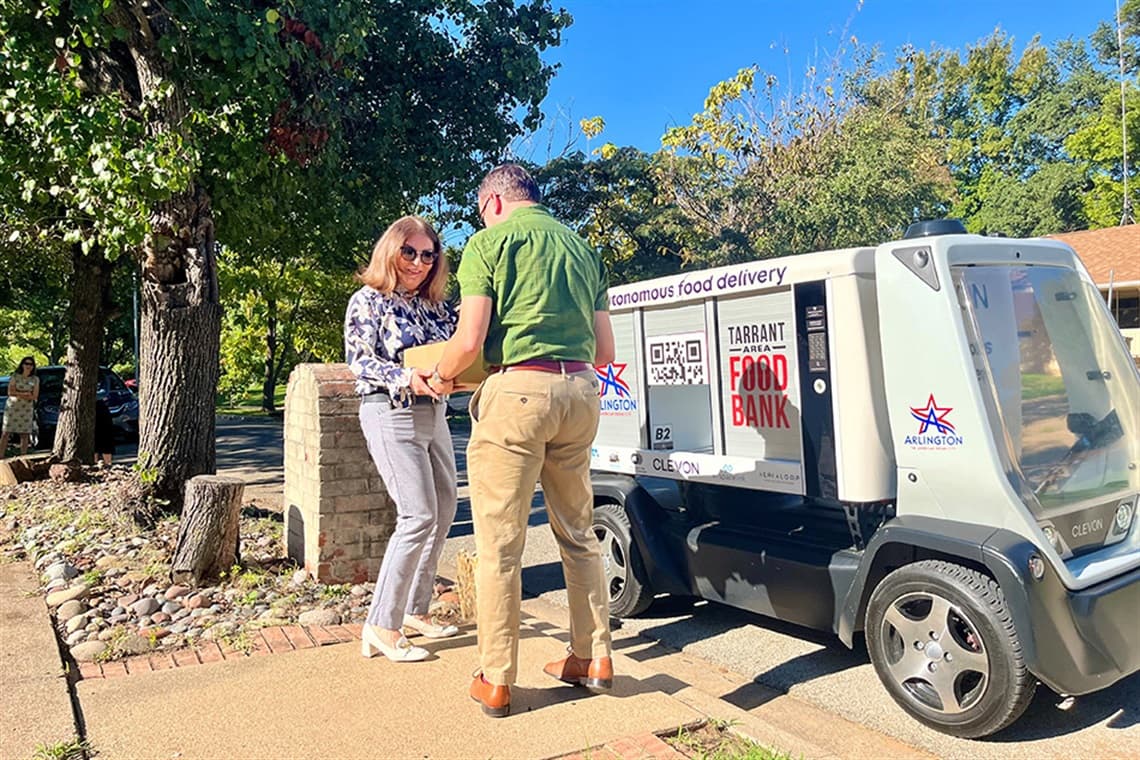
That is the same direction A Simple Gesture is already pointed in, even without a full-scale culinary operation. The organization says it rescues edible food from businesses and delivers it to local nonprofits, including surplus food from grocery stores and school cafeterias. With more than 60 chapters nationwide and more than 7 million meals provided, its growth depends on the same kind of logistics thinking now reshaping food banks: better collection routes, tighter partnerships with pantries and schools, and a sharper focus on moving food into the forms communities can actually use.
The bigger story is that hunger relief is becoming more industrial, not less. The groups that will matter most are the ones that can connect rescue, processing and distribution in one system.
Know something we missed? Have a correction or additional information?
Submit a Tip