Tax credits drive food bank expansion, funding bigger warehouses and hubs
Food-bank projects tied to shelters and community food jumped 556%, showing how tax credits are financing larger warehouses, cold storage and pickup hubs.
Food-bank expansion is increasingly being paid for like a real estate deal, not a donation drive. Projects tied to shelters and community food climbed 556% between 2018 and 2023, far outpacing the 88% growth in manufacturing projects, as the New Markets Tax Credit helped finance larger warehouses, distribution centers and neighborhood food sites in low-income areas.
The credit, authorized in 2000 under the Community Renewal and Tax Relief Act, has become a major source of patient capital for nonprofits that need buildings before they can scale service. As of the end of fiscal 2023, the program had generated $8 of private investment for every $1 of federal funding, supported more than 268.2 million square feet of commercial real estate and helped create or retain more than 888,200 jobs. The CDFI Fund also opened a combined 2024-2025 round with $10 billion in allocation authority, underscoring how much demand remains for the tool even as the program was set to expire at the end of 2025 unless extended.
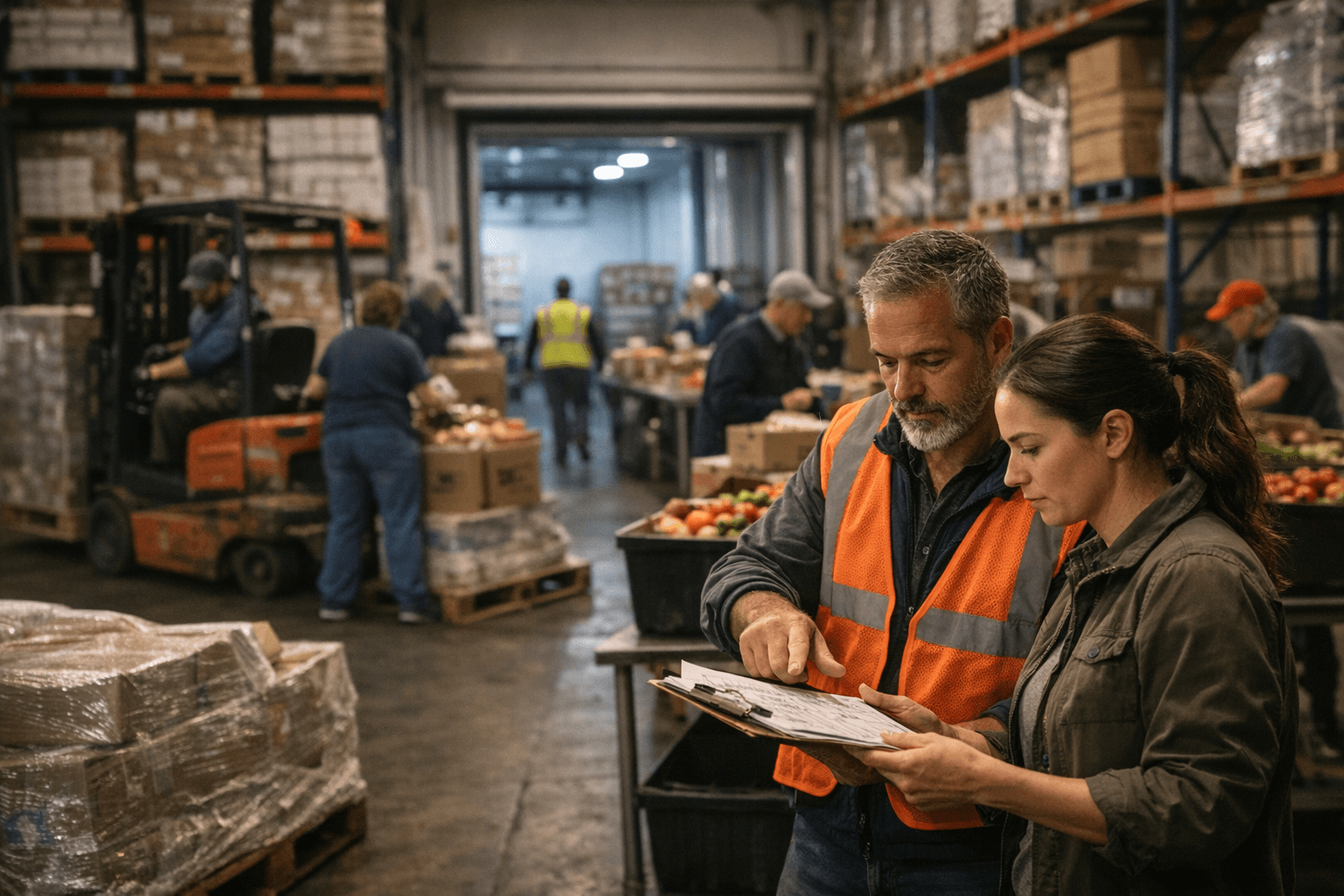
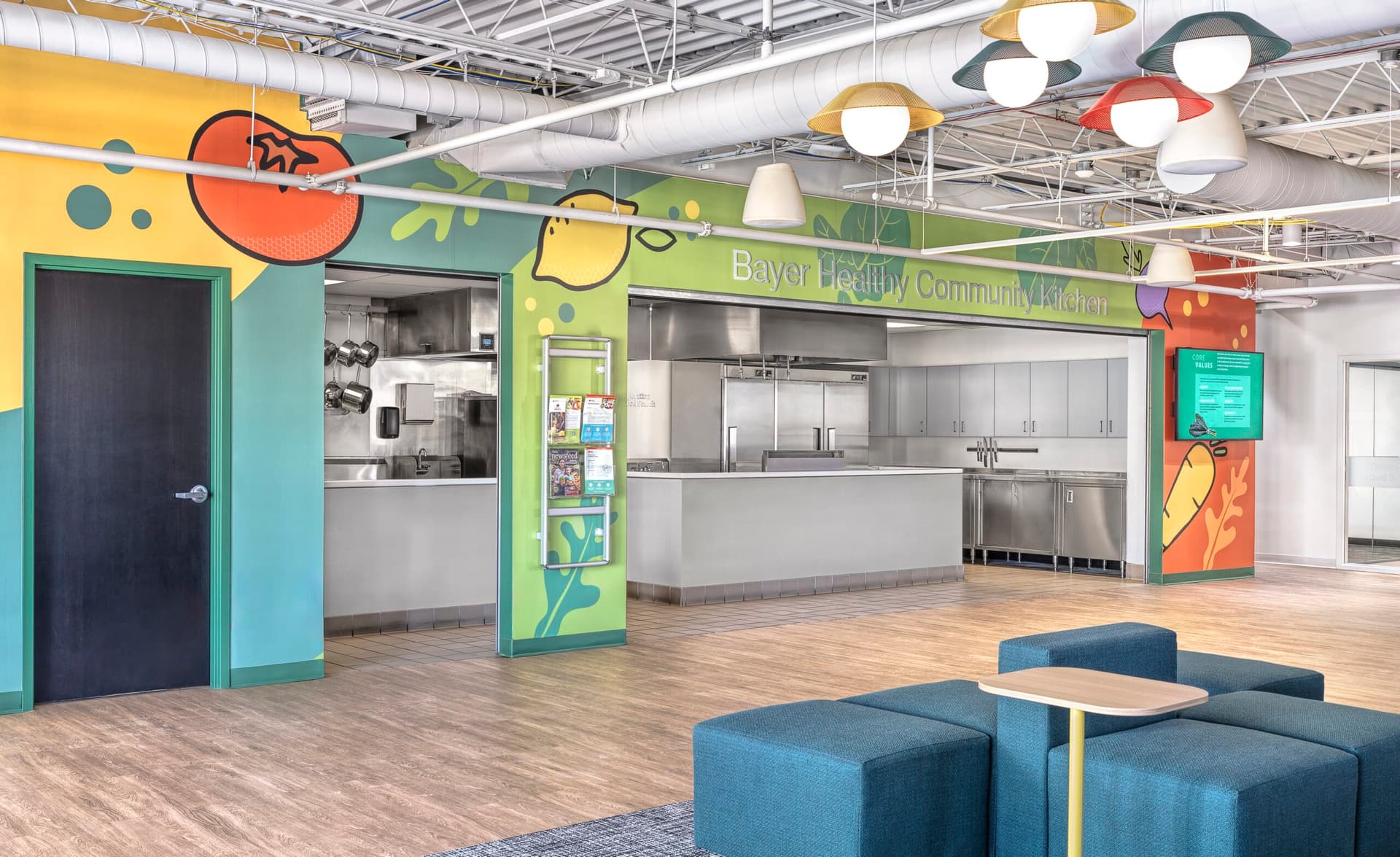
For food banks, the credit can mean the difference between waiting years for a capital campaign and breaking ground sooner. Operation Food Search completed its Healthy Food, Healthy Community Renovation Project in 2024, using an $11 million New Markets Tax Credit-supported loan, donations and an $850,000 federal appropriation to build out infrastructure for more fresh food in St. Louis. Food Bank of the Rockies said its new Aurora, Colorado, distribution center would stretch to 270,000 square feet, double cold storage, triple volunteer capacity and quadruple kitchen space, while cutting operating costs by more than $500,000 a year. The organization said the facility would help it move toward distributing 100 million pounds of food annually within a few years.
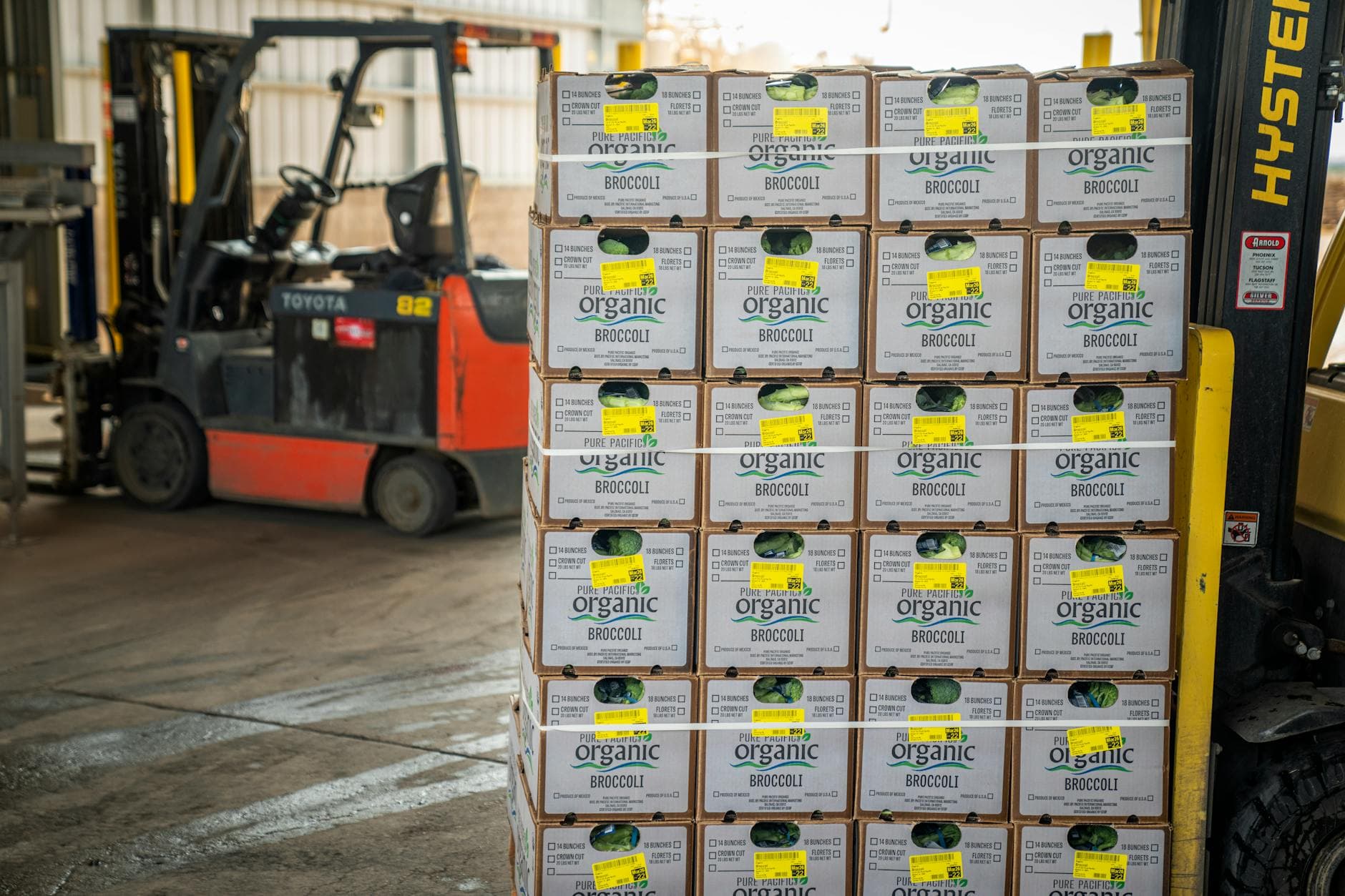
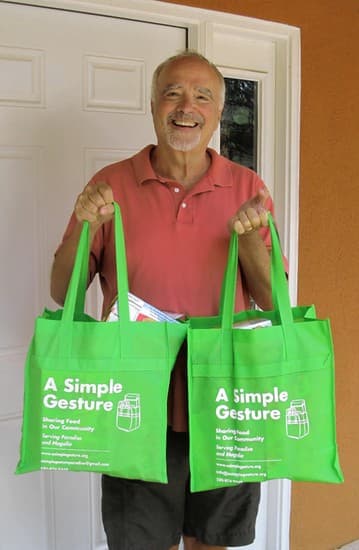
The financing model matters beyond large regional food banks. A Simple Gesture, which has operated in Guilford County since 2015, relies on logistics, refrigeration, volunteer coordination and pantry partnerships just as much as fundraising. Its mission and impact pages say it had delivered more than 8,000,000 child-size meals’ worth of food valued at $13 million by December 2025, working with more than 75 pantry partners, 3,900 recurring donors and about 200 monthly volunteers. For a network built on green bag pickups, corporate collections, food recovery and the SHARE school refrigerator program, the lesson is clear: expanding reach often requires financing for hubs, cold storage and pickup infrastructure, not just another year of operating support.
This article was produced by Prism’s automated news system from verified source data, official records, and press releases, then run through automated quality and moderation checks before publishing. The system is built and supervised by the people who set the standards it runs under. Read our full AI policy.
Did this article answer your question?