A Simple Gesture can turn record food bank giving into lasting support
The fall shutdown and SNAP cuts made hunger feel immediate again, pushing food bank giving above the Covid era and rewarding donors who saw measurable impact.
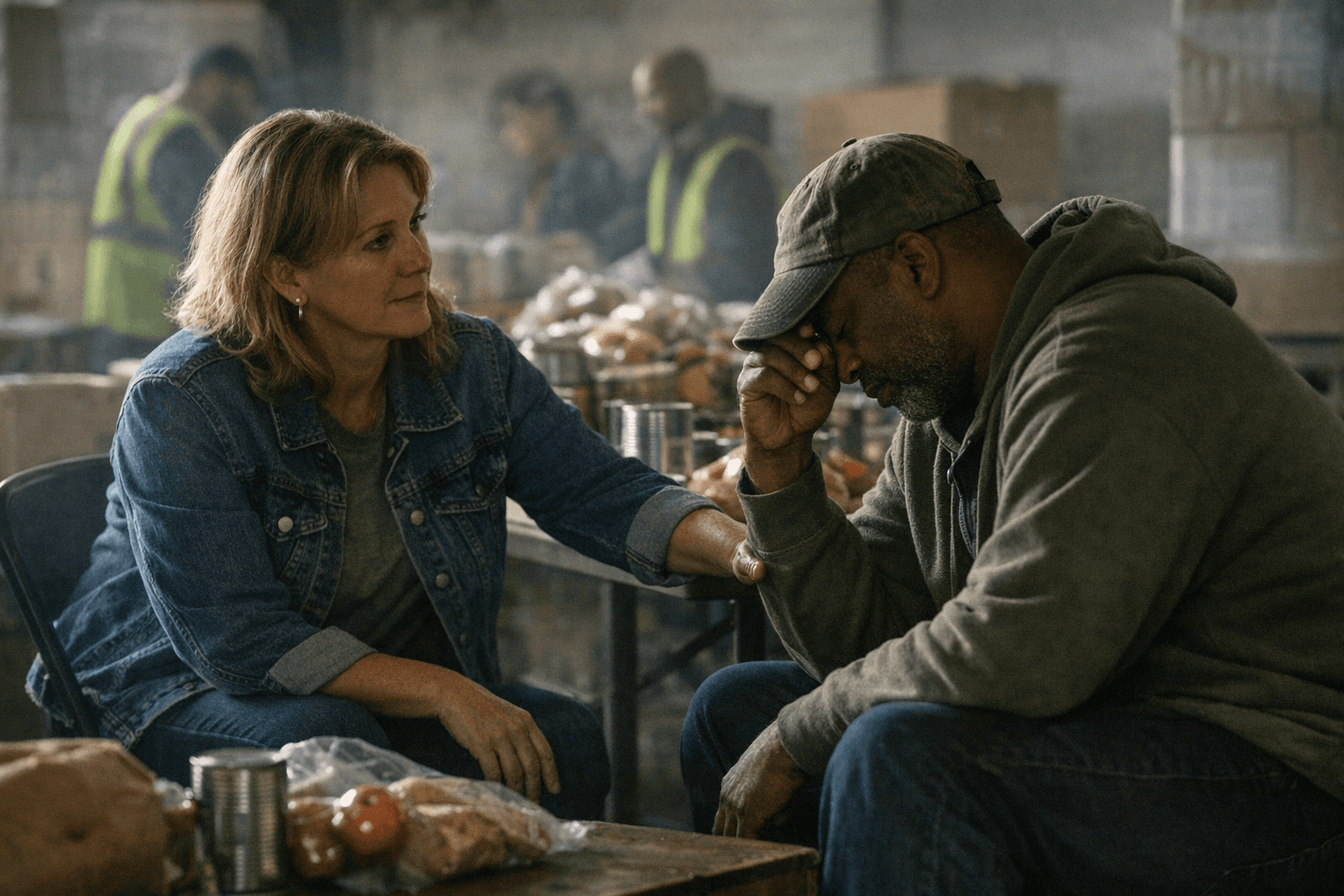
Food banks raised more money in 2025 than they did during the Covid era, and they added donors faster too. The surge was not just about generosity coming back. It was about urgency that donors could see, with the fall government shutdown and continued reductions in SNAP funding making hunger feel immediate in a way that broad anti-poverty appeals often do not.
That matters for A Simple Gesture because the same headlines that unlock checks can also flood a local operation with more work. More donor interest means more route coordination, more pantry partnerships to manage, more volunteer follow-up, and more pressure to explain where every green bag ends up. For a chapter-based model, fundraising only becomes capacity if staff can convert attention into usable logistics.
The playbook is becoming clearer. Donors responded when food banks tied giving to concrete outcomes instead of abstract need. The strongest messages connected a gift to a pickup route covered, a pantry delivery completed, or a missed donation opportunity prevented. That kind of specificity gives supporters a reason to act now, and a reason to give again later.
For A Simple Gesture Greensboro, that points directly to the Green Bag Food Recovery and SHARE programs. Those names are recognizable, local, and operational, which makes them easier to share than a generic hunger pitch. A donor is not just supporting a mission; the donor is helping a countywide system move food from doorsteps into pantry shelves.
The lesson for staff and volunteers is that stewardship may matter as much as acquisition. If a chapter can document meals recovered, households served, volunteer participation, and pantry impact with enough clarity, it can turn a crisis-driven spike into recurring support. That also gives development staff a sharper case to make to neighborhood donors, businesses, and foundations when the news cycle cools and the emergency headlines fade.
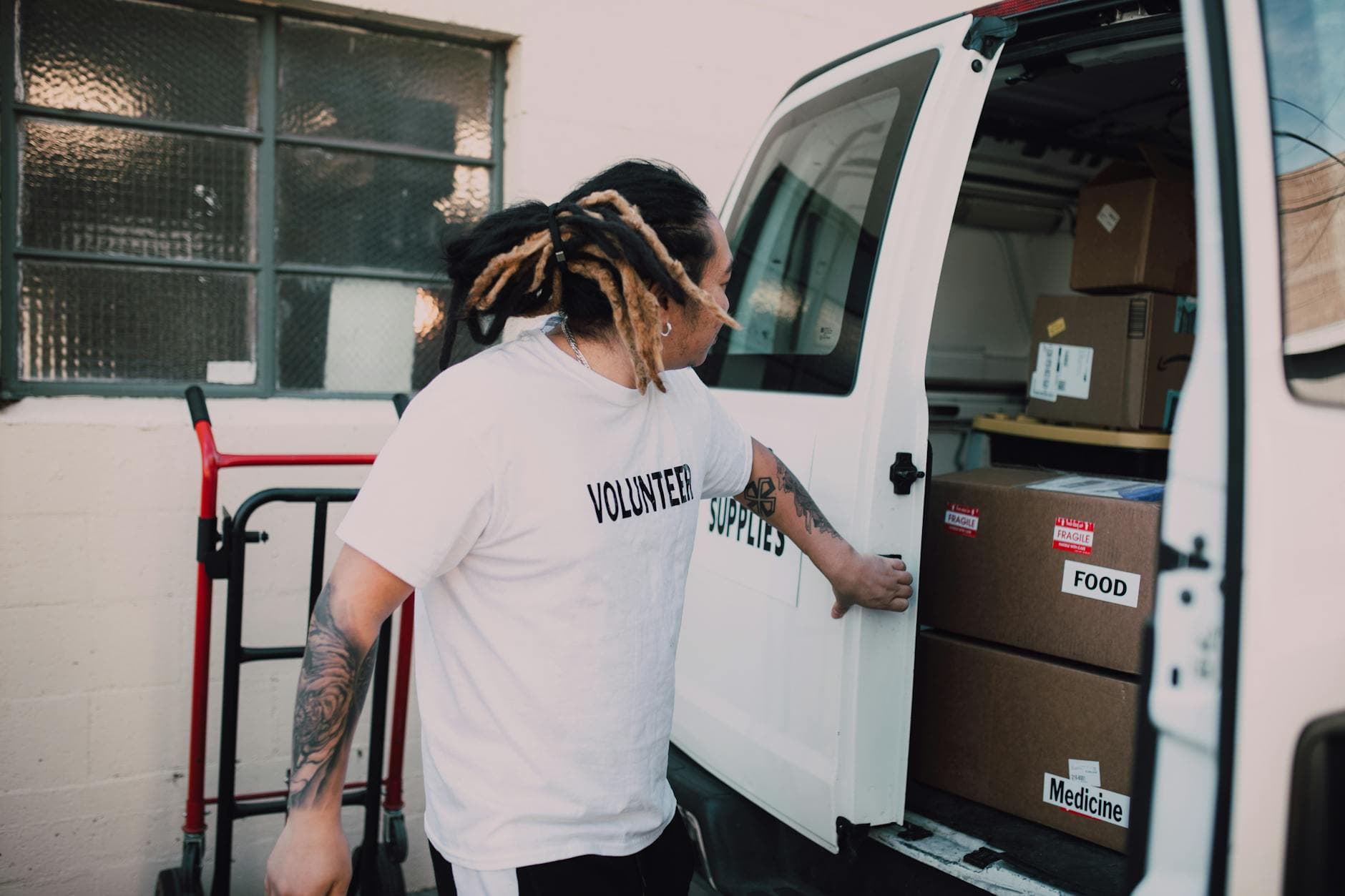
The sector’s donor appetite is still tied to macro conditions, and that makes consistency a competitive advantage. Groups that keep talking during quiet stretches, and that make the work legible in terms of routes, deliveries, and reach, are better positioned when the next surge arrives.
Know something we missed? Have a correction or additional information?
Submit a Tip