A Simple Gesture Leverages USDA Hunger Data to Strengthen Local Giving
47.9 million Americans lived in food-insecure households in 2024, and A Simple Gesture can turn that scale into stronger green bag donations, pantry drops, and volunteer routes.
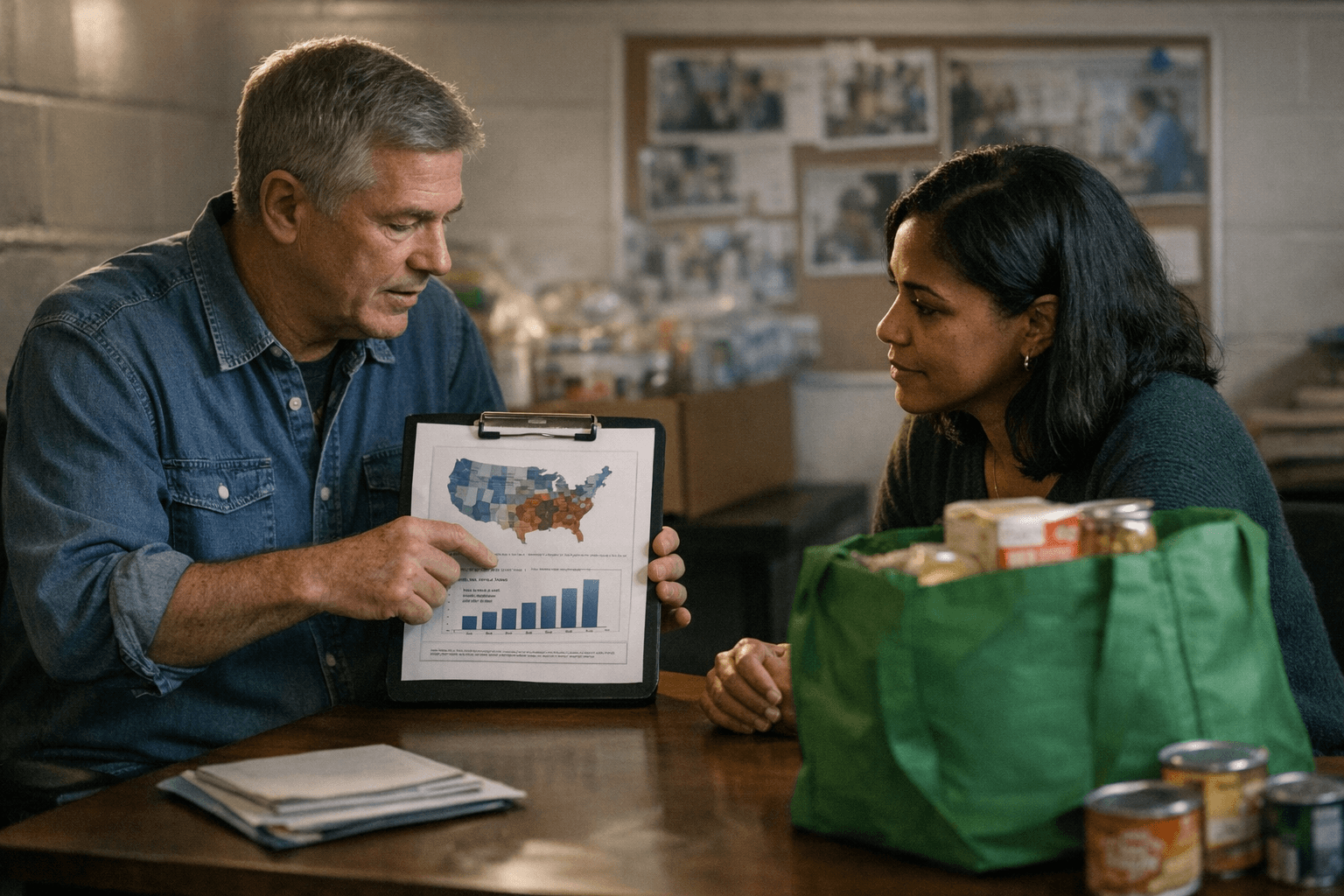
Forty-seven point nine million Americans lived in food-insecure households in 2024, a reminder that hunger remains large, uneven, and operationally stubborn even as headline economic data improves. For A Simple Gesture, that scale is more than a national statistic. It is the case for why doorstep collection, route coordination, and pantry partnerships still matter every day.
The USDA Economic Research Service figure, paired with the 13.7 percent of U.S. households that experienced food insecurity, gives staff a number they can use when talking with neighborhoods, schools, employers, and faith communities. The picture gets starker for children: 14.1 million lived in households facing food insecurity, up from 13.8 million the year before. FRAC also pointed to persistent racial and ethnic gaps, with food insecurity rates remaining much higher for Black and Latinx households than for White, non-Latinx households.
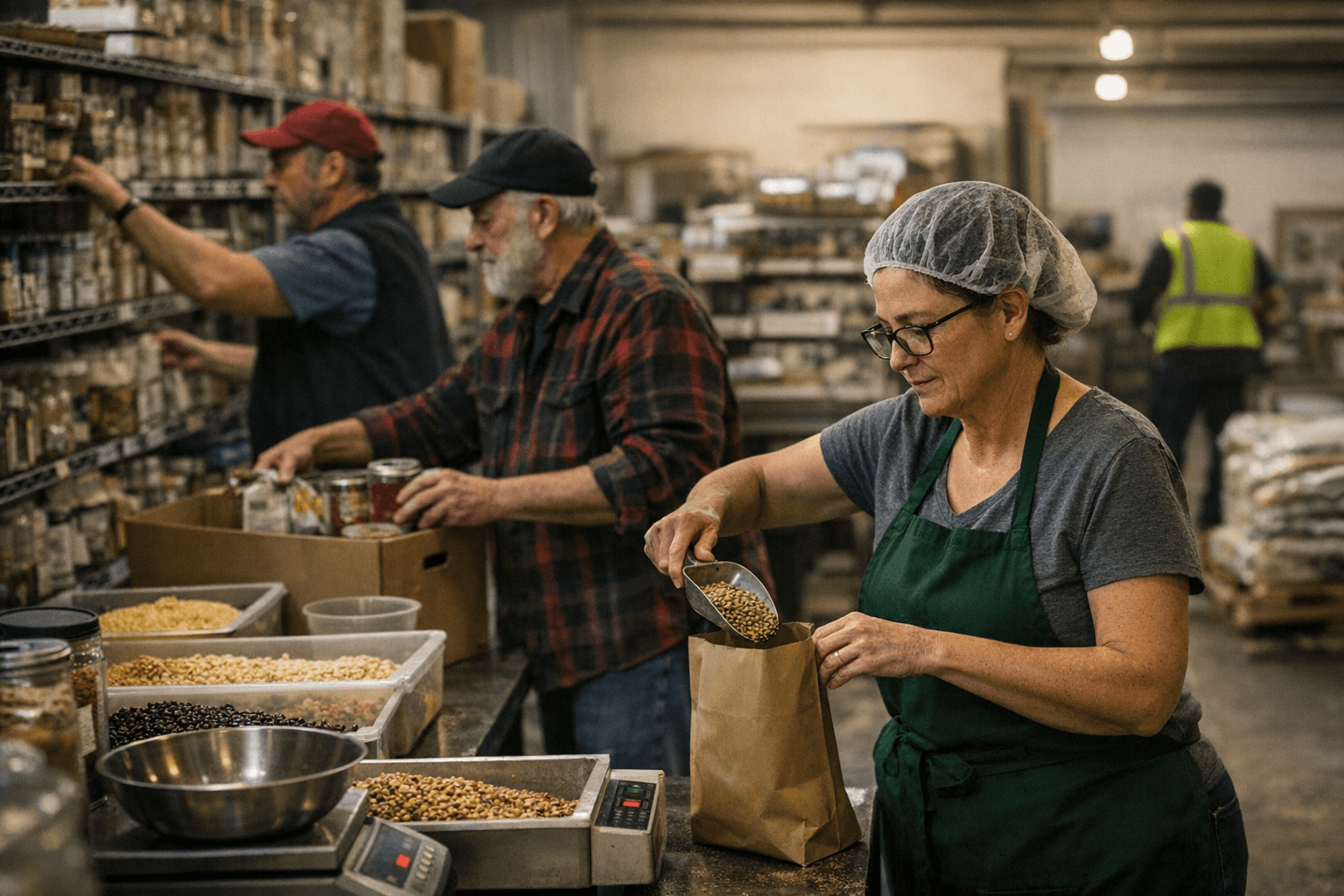
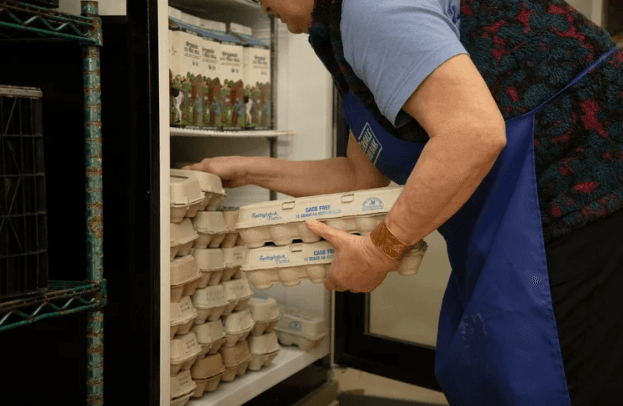
That is why A Simple Gesture’s work fits into a broader system rather than a feel-good donation drive. The green bag program and food recovery routes convert household giving into usable inventory for local pantries, schools, and other distribution partners that cannot meet demand through a single channel. When coordinators explain why a pickup route needs steady participation, the argument is not abstract. It is that recovered food helps fill a daily gap that formal safety-net programs and conventional retail supply chains still leave open.
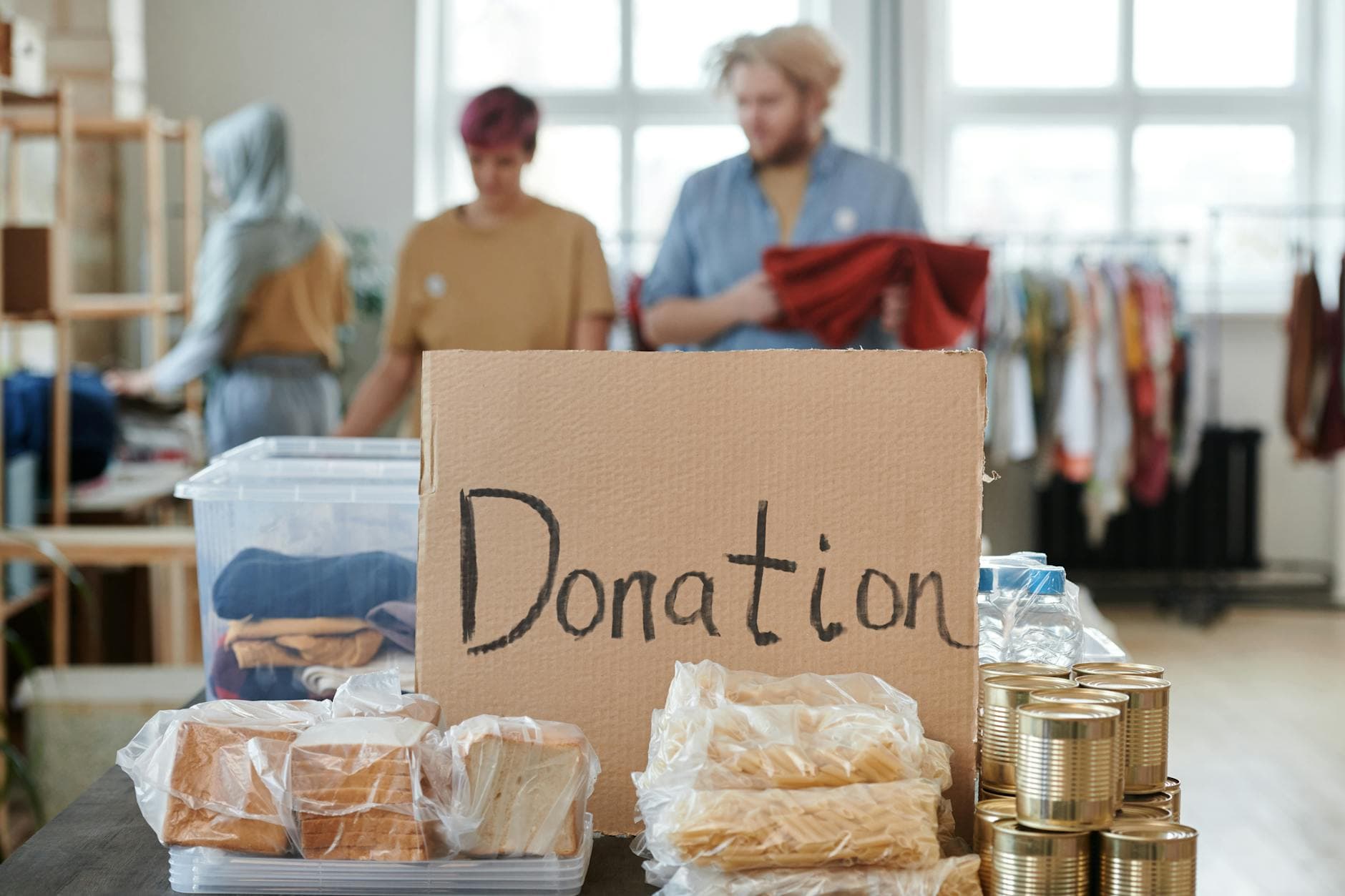
The data also helps staff sharpen their outreach. Families with children, households of color, and communities where food access remains inconsistent are not fringe cases in the hunger picture. They are central to it. That makes the work of recruiting volunteers, building trust with donors, and keeping pantry drop-offs predictable part of the same task: moving food from surplus to the places where the need is still visible.
USDA’s food security pages continue to track these numbers each year and publish the research that local organizations lean on to explain why the work has not gone away. For A Simple Gesture, the message is straightforward. Every green bag, every route, and every pantry delivery sits inside a national problem that is still too big for charity alone.
Know something we missed? Have a correction or additional information?
Submit a Tip