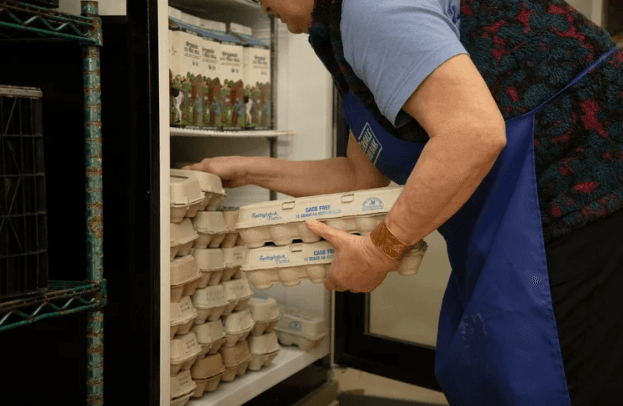
Reworked pricing turns underused co-op into major revenue engine for food bank
A simple pricing shift turned an underused co-op into a six-figure engine, showing how partner behavior can change without adding space, trucks or staff.
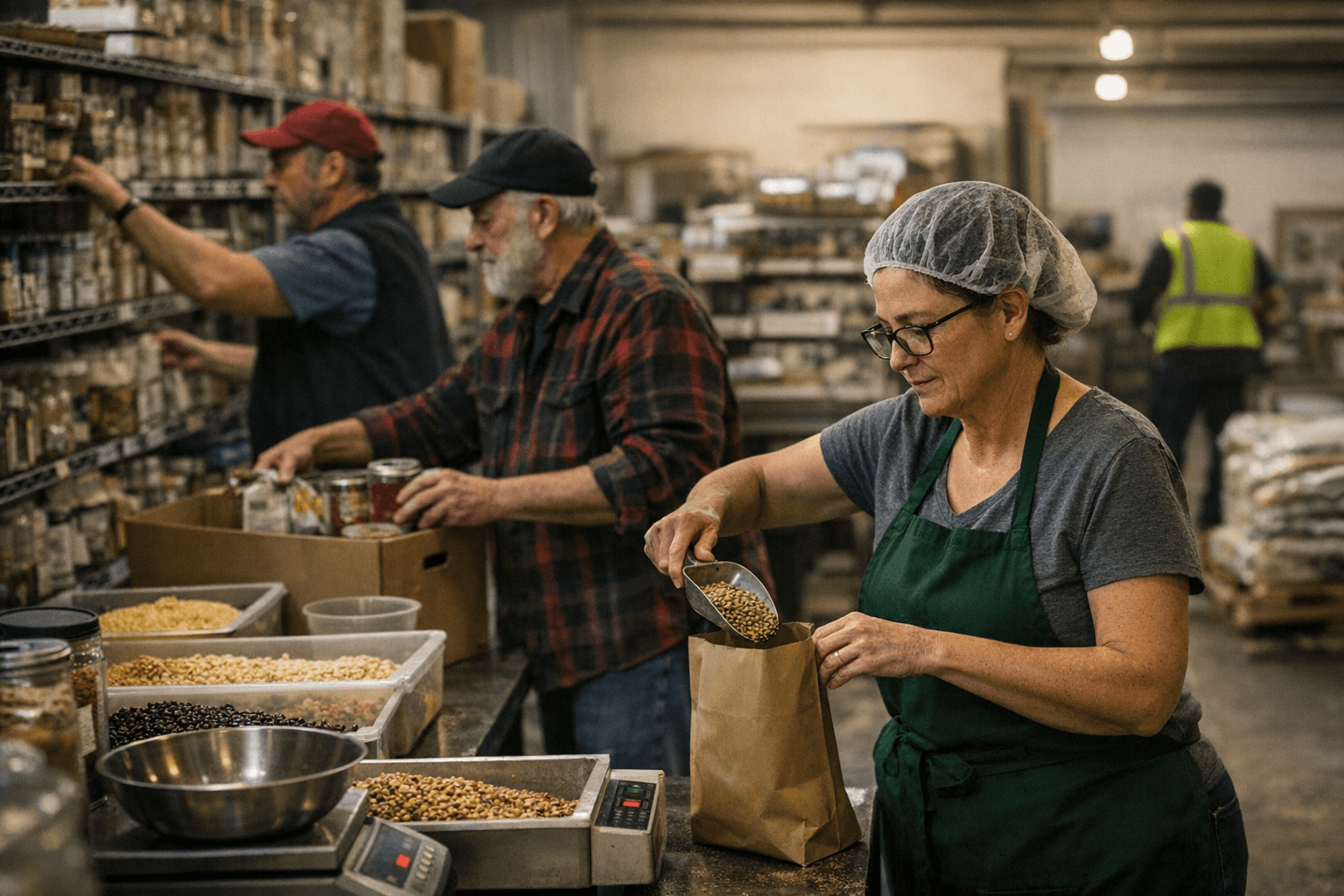
Pricing, not capacity, was the bottleneck
The biggest mistake in many agency co-op programs is assuming the problem is physical capacity when the real drag is pricing. In this case, a food bank took an underused co-op and pushed annual revenue from $72,000 to more than $600,000 without adding warehouse space, trucks or staff. That kind of jump is a reminder for A Simple Gesture and similar food-recovery groups that operations can grow by changing how partners buy, not just by collecting more food.
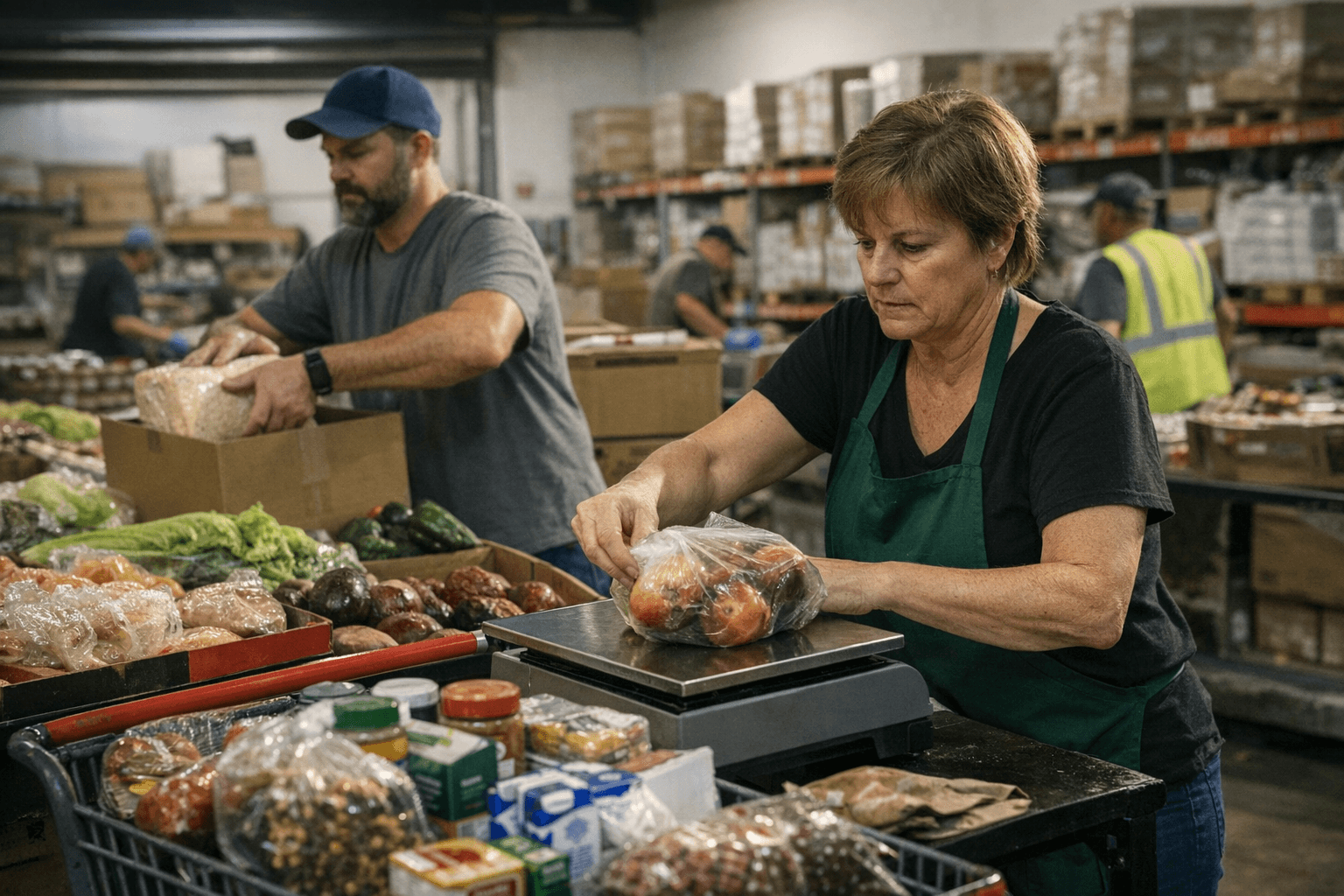
The old model relied on a flat 10 percent markup. That looked simple on paper, but it made some commodity items seem overpriced next to local retailers while leaving other higher-value products too cheap. In practice, the same rule was distorting demand at both ends of the shelf, which meant the food bank was underpricing some items, overpricing others, and losing control over partner behavior.
The clearest warning sign came from the partners themselves
Agencies were not quietly voting with their feet. They were submitting retail receipts, which gave staff a concrete signal that the pricing model was pushing buyers to shop elsewhere. That matters because pantry managers, school staff, and community agencies all operate under budgets that force tradeoffs every day. If a co-op is not competitive on staples, the mission statement does not change the math.
For A Simple Gesture, that is the practical lesson buried inside the numbers. When partner agencies can get comparable food cheaper elsewhere, they will drift, even if they value the relationship. Volunteer pickup routes and donation schedules may keep the inbound side of the system moving, but the outbound side still depends on whether partners see enough value to stay in network.
Variable pricing created room to compete where it mattered most
The fix was to move away from one-size-fits-all markup and toward variable-rate pricing based on competitive retail benchmarks. That let the food bank meet or beat store prices on key items while keeping margin where the market could support it. Instead of treating every product the same, staff could price each item according to how buyers actually behaved.
That approach did more than raise revenue. It improved agency confidence because prices started to track real demand instead of a flat rule. In a food-recovery operation, that kind of trust is not cosmetic. It can determine whether a pantry orders through the co-op, buys outside it, or starts looking at the food bank as a useful supply partner instead of just a donor conduit.
What the numbers say about operational leverage
The revenue change was dramatic: from $72,000 to more than $600,000 a year. That is a gain of at least $528,000, or more than eight times the original take. In operational terms, that is the difference between a small side program and a meaningful revenue engine, all from reworking how existing inventory was priced and sold.
For a group like A Simple Gesture, the point is not to chase revenue for its own sake. It is to understand how a smarter pricing system can move more food through the same structure, support more partner participation, and make each order more efficient. If the co-op is already handling food for schools, pantries, and community agencies, better pricing can stretch the same transportation and storage footprint further without adding overhead.
What local staff can realistically change
The most useful pricing levers are the ones staff can actually control locally. The food bank example suggests four places to start:
- Price the most visible staples against nearby retail competition, especially items partners can compare in a single shopping trip.
- Use higher-value products to preserve margin where buyers are less price-sensitive.
- Review partner receipts and order patterns as feedback, not as complaints to set aside.
- Bring operations, procurement, and partner services into the same conversation so pricing decisions reflect both supply cost and downstream behavior.
That last point is especially important for neighborhood food-recovery groups. If route coordinators, pantry liaisons, and purchasing staff are working from separate assumptions, they can easily miss why a partner stops ordering or why one item moves fast while another sits. The pricing model should help staff read the system, not hide its signals.
Why this matters for retention, reach, and daily work
A co-op program does not scale because it looks charitable. It scales because it is useful enough that partners keep using it. When prices align with retail reality, agencies are more likely to stay in the network, order more consistently, and trust the food bank to remain a practical source rather than a symbolic one.
For A Simple Gesture, that means the work is not only about collecting green bags or coordinating volunteers. It is also about whether the broader food-access system rewards partner loyalty with usable economics. The lesson from the underused co-op is straightforward: a better pricing model can expand food access, strengthen participation, and lift revenue at the same time, all without asking the operation to become bigger in the traditional sense.
Know something we missed? Have a correction or additional information?
Submit a Tip