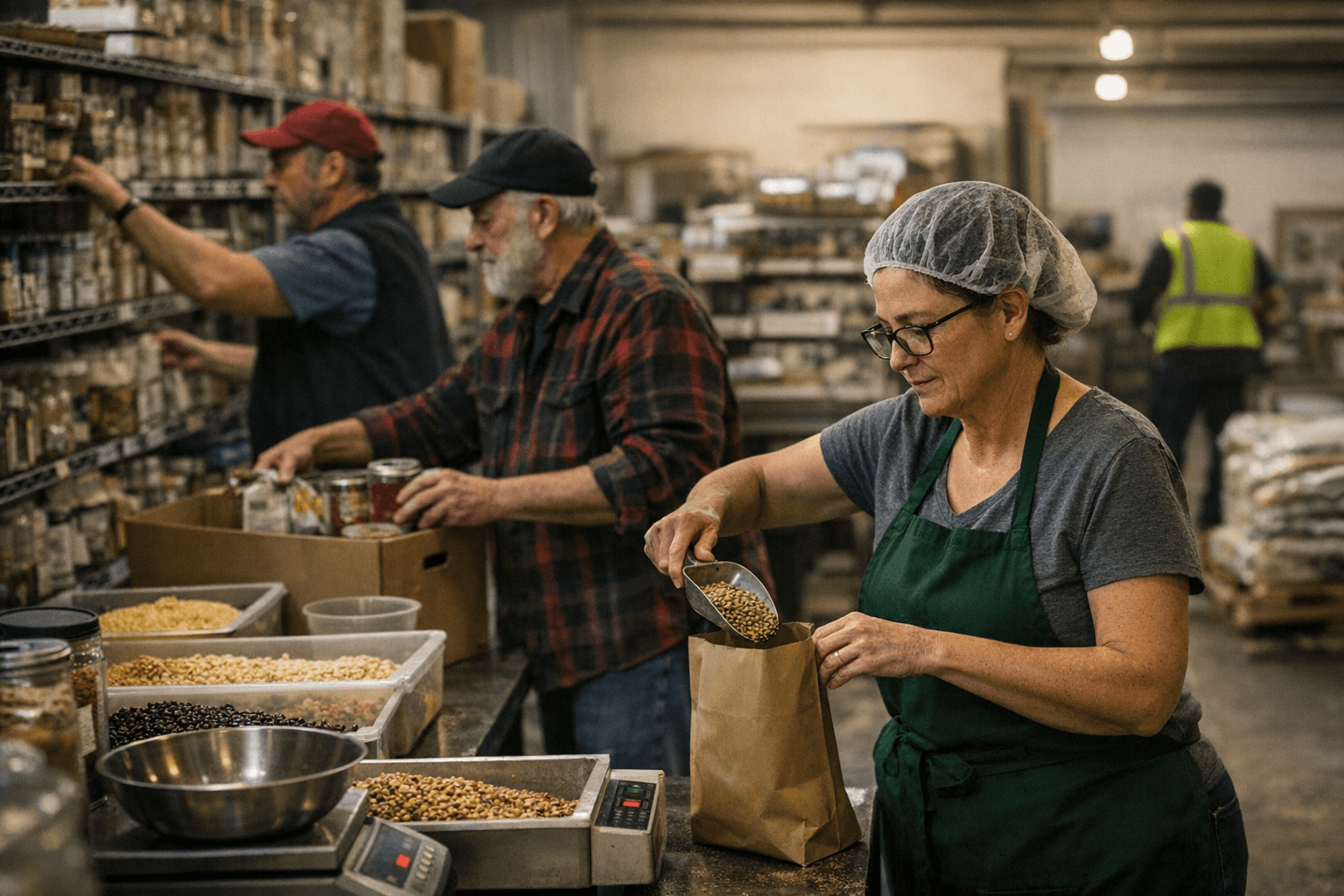
Washington food bank adopts nutrition policy as pantry demand grows
Ferndale Food Bank turned a fast-growing pantry into a set of rules, prioritizing healthier food as its monthly budget jumped from $6,000 to $25,000.
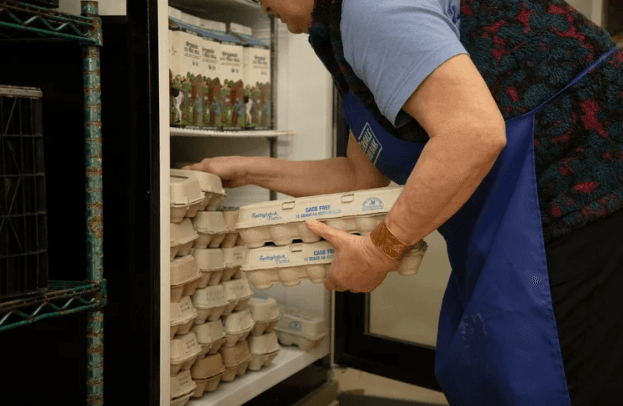
Ferndale Food Bank stopped acting like a pantry that would take almost anything and started behaving like a larger food operation with standards. As the Ferndale, Washington pantry grew to serve nearly 300 people a week, its monthly food budget climbed from about $6,000 in 2023 to roughly $25,000, forcing staff to decide not just how much food to buy, but what kind of food should define the pantry’s shelves.
That shift led to a nutrition policy built around a four-tier framework. At the top are lean proteins, eggs, dairy and produce. Below that are other healthy staples. Desserts, candy, snacks and sugary drinks sit at the bottom of the list. The point is not to ban food outright, but to give staff and volunteers a clear order of priority when donations, purchases and storage space all have to be managed under pressure.
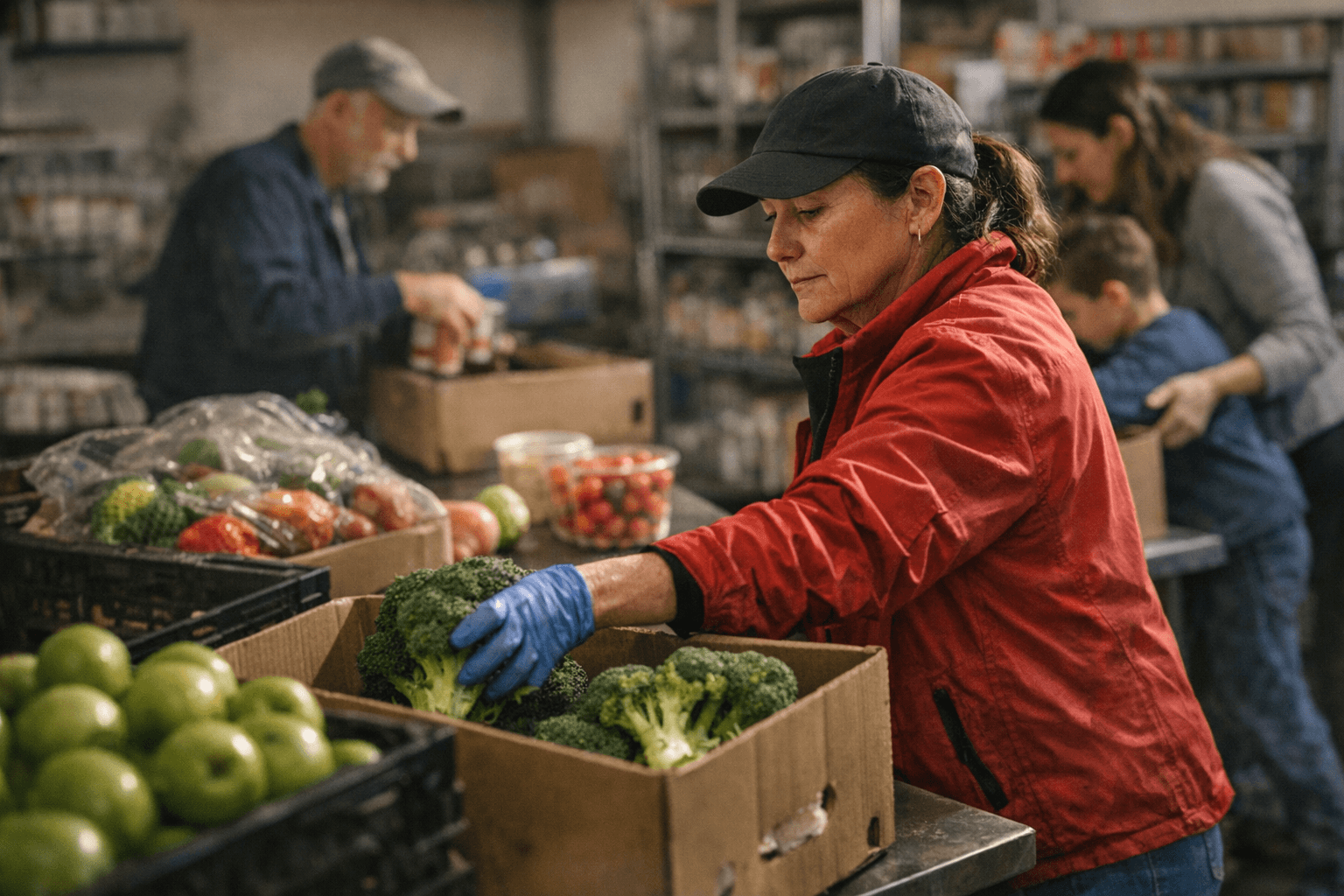
The policy was shaped by the people using the pantry. A survey of nearly 200 patrons found that 66 percent wanted food that was good for them, and 46 percent reported a pre-existing health condition. That matters because food bank clients are not a generic mass of households grabbing whatever is available. Many are managing diabetes, hypertension or other health issues, which means a box of food can either support their health or make it harder to keep up with it.
For staff, the policy does more than organize shopping lists. It gives volunteers and coordinators a way to explain why some donations move quickly to the front of the line, why some items are accepted with more enthusiasm than others, and why certain products may be purchased even when they are more expensive. It also gives the pantry a cleaner way to talk with donors. Instead of a vague appeal for whatever is on hand, the message can be specific: more eggs, produce, dairy and shelf-stable proteins, fewer impulse foods and sugar-heavy extras.

For A Simple Gesture and its receiving partners, the Ferndale model points to a right-sized version of the same idea. As a doorstep donation and food recovery system scales, volume alone is not the whole story. A written nutrition policy can help decide what to ask for, what to route to partner pantries, what to stop sourcing and how to train volunteers so they are making the same judgment calls every week. In a sector built on goodwill, Ferndale shows that standards can strengthen trust rather than weaken it, especially when the goal is not just moving food, but moving better food.
Know something we missed? Have a correction or additional information?
Submit a Tip