A Simple Gesture feeds pantry network, school meal support across community
The April 18 pickup is one link in a larger food-recovery chain, from doorstep bags to school meal support across Loudoun County.
The April 18 A Simple Gesture pickup is the kind of deadline that only works when a whole volunteer chain moves in sync. At Dulles South Food Pantry, the program is not treated as a simple donation drop-off, but as a timed operating system that depends on donors, drivers, sorters, packers, and distribution volunteers all doing their part on schedule.
How the pickup cycle works
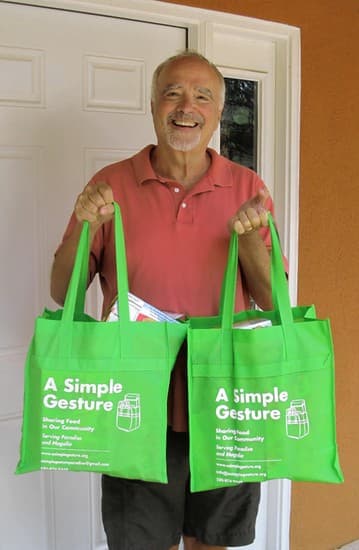
A Simple Gesture is a door-to-door food collection program built around nonperishable donations. The pantry supplies the green bags, donors fill them according to the schedule, and volunteers pick them up from homes and deliver them to the pantry. That cycle repeats five times a year, which makes the tag on each bag more than a label, it is the calendar that keeps the whole system aligned.
That is why the April 18 pickup matters beyond a single Saturday. When donors know the exact collection date in advance, the pantry can plan route coverage, reminders, and intake capacity. The same structure also explains why the bag tag has long included the pickup dates for the year and suggested items most needed, giving households a simple rule set instead of an open-ended ask.
The volunteer chain behind the pantry
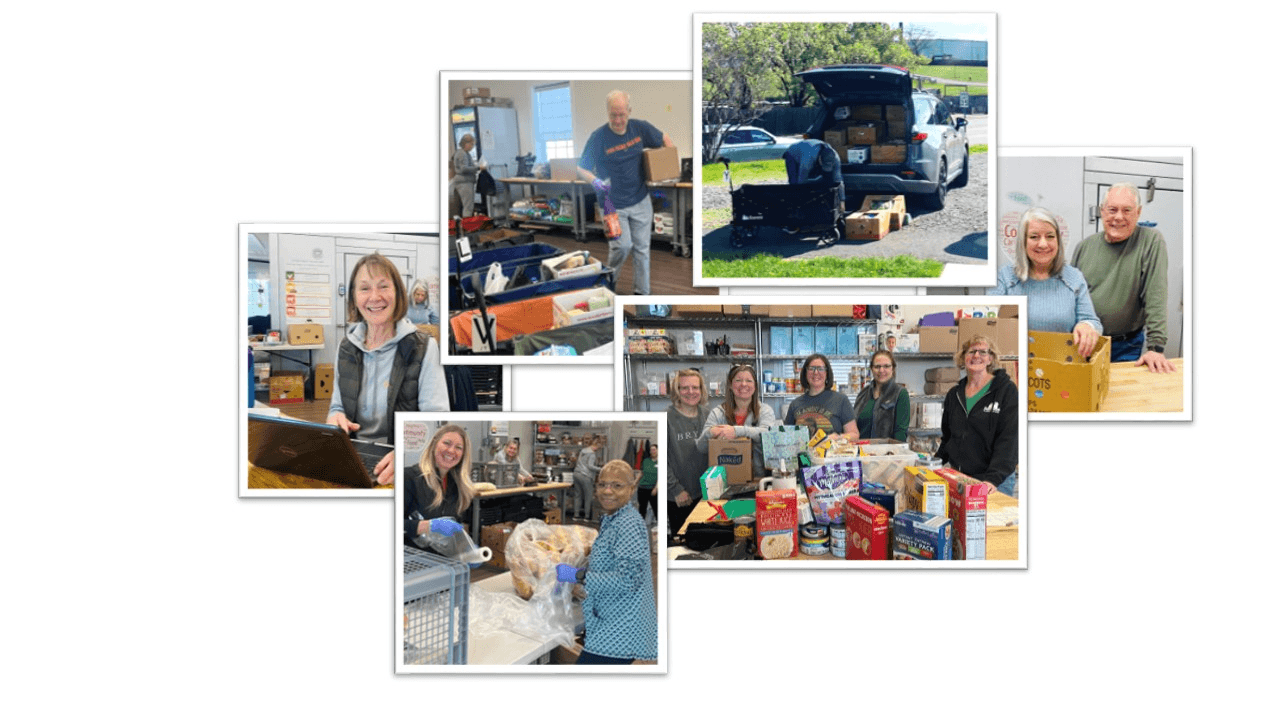
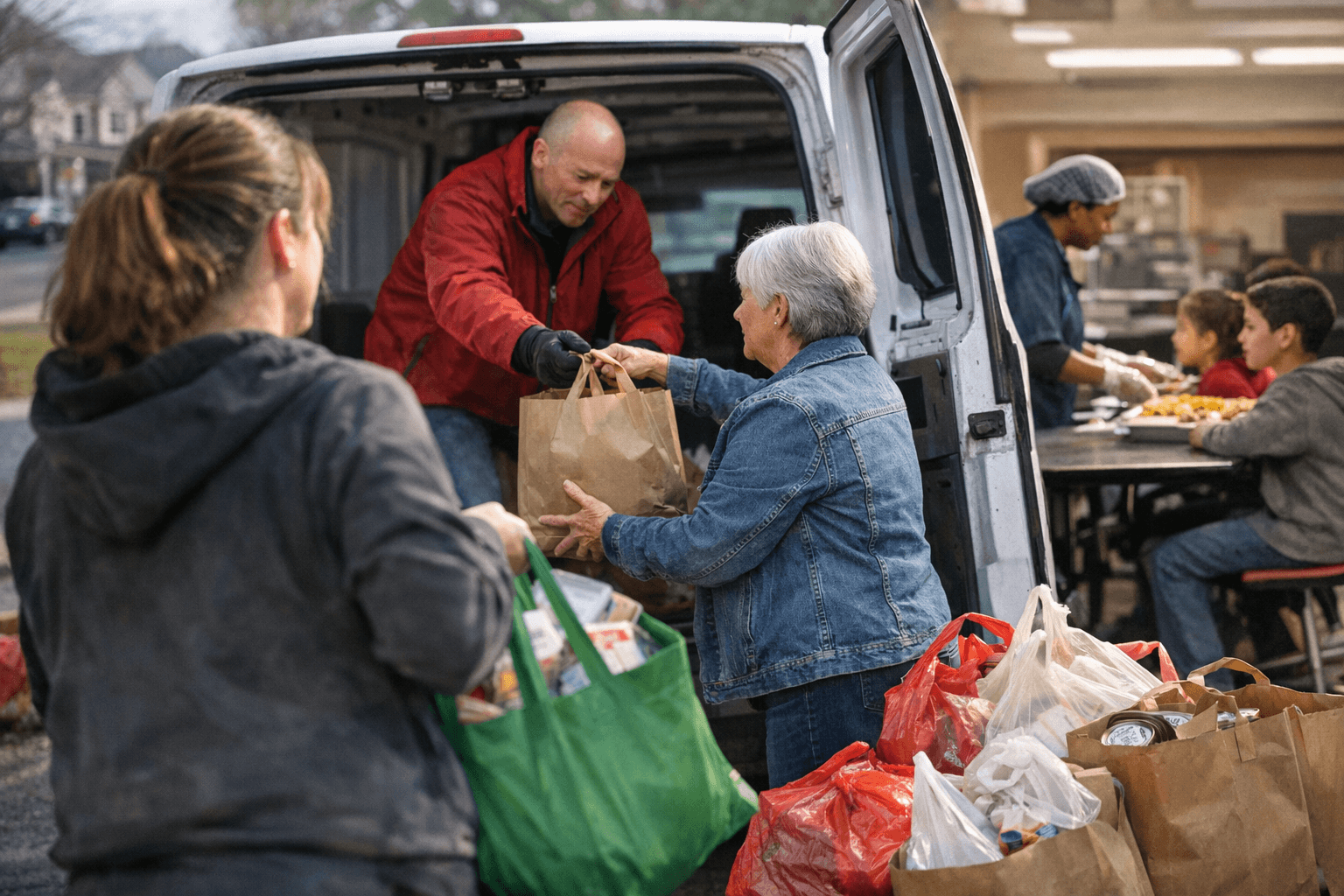
The pantry’s April newsletter makes clear that A Simple Gesture is only one stage in a broader volunteer ecosystem. Volunteer drivers collect donations in the community, Receive & Stock volunteers sort and shelve the incoming food, Bag Packers prepare shelf-stable items before distribution, and Distribution volunteers hand food to families with dignity and care. Each role is distinct, and each one depends on the others to keep the operation moving week after week.
For coordinators, that is the real lesson of the April 18 pickup: the event is not just about getting food in the door, it is about matching the right volunteer to the right task at the right time. Drivers need route assignments and a reliable pickup window. Stocking volunteers need enough lead time to process what arrives. Distribution teams need shelves filled before families show up. The system breaks down if any one link slips.
Why April 18 is a coordination date, not just a donation date
The newsletter was published on April 14, 2026, which gives the pantry only a short runway before the Saturday, April 18 pickup. That timing is useful for anyone managing volunteer recruitment or retention because it shows how quickly the work turns from announcement to action. A strong reminder cycle, clear contact points, and predictable route planning are not administrative extras here, they are operational necessities.
The newsletter also notes that registrations are already open for the June cycle. That detail matters because it shows the pantry is not running one isolated campaign, but a repeating schedule that volunteers and donors can plan around. For a food-recovery program, that kind of calendar discipline is what makes participation sustainable. It gives households a rhythm, and it gives the pantry a chance to keep shelves stocked without scrambling.
Backpack Buddies turns pantry logistics into school support
The same volunteer network also feeds Backpack Buddies, a weekly effort that packs kid-friendly meal bags and sends them to 25 local schools. That extension is important because it shows how a pantry pickup can ripple outward into school-based food support. What is collected at the doorstep does not stop at the pantry door, it can end up in a child’s weekend meal bag.
The scale is larger than the April newsletter alone suggests. The pantry says Backpack Buddies currently supports over 350 Loudoun County students in need, up from more than 300 students cited in its September 2025 newsletter. That growth points to a broader school-partnership network, including work with family liaisons at local schools to identify food-insecure children. In practical terms, it means volunteer coordination is serving not just pantry shelves, but a countywide safety net for students who need food support outside school hours.
Why community teams matter for retention
The newsletter also notes that community partners have been stepping in as teams for packing events and donation drives. That is more than a feel-good footnote. For a nonprofit that relies on recurring labor, offsite group volunteering can be one of the most effective ways to recruit new helpers, deepen engagement, and keep people coming back after a first shift.
That approach fits the pantry’s broader identity. Its homepage describes Dulles South Food Pantry as a community-driven nonprofit serving Dulles residents and the surrounding area with nutritious food, personal supplies, and life-changing social services. In that kind of model, volunteer appreciation is not separate from operations, it is part of how the operation survives. The archive shows that appreciation was also a theme in June 2025, which suggests the pantry has made volunteer recognition a recurring management tool, not a one-time campaign.
What this means for the wider food-support system
A Simple Gesture works because it plugs into a larger local network instead of trying to replace it. Doorstep donation pickups bring in shelf-stable food on a fixed schedule. Pantry staff and volunteers sort it, stock it, and distribute it with care. Backpack Buddies converts some of that capacity into school-linked meal support. Together, those pieces create a system that can respond to hunger in more than one setting.
That is why the April 18 pickup should be read as a coordination event, not a standalone drive. It is a scheduled handoff between households and the pantry, and between the pantry and the schools that rely on Backpack Buddies. In a food-support system built on volunteers, the real measure of success is not just how many bags get picked up, but whether every role, from driver to distributor, shows up on time and keeps the cycle moving.
This article was produced by Prism’s automated news system from verified source data, official records, and press releases, then run through automated quality and moderation checks before publishing. The system is built and supervised by the people who set the standards it runs under. Read our full AI policy.
Did this article answer your question?