A Simple Gesture Reston reduces volunteer confusion with clear signup steps
Clear reminders, six annual pickups, and a named contact turn Reston’s green-bag program into a routine volunteers can actually run.
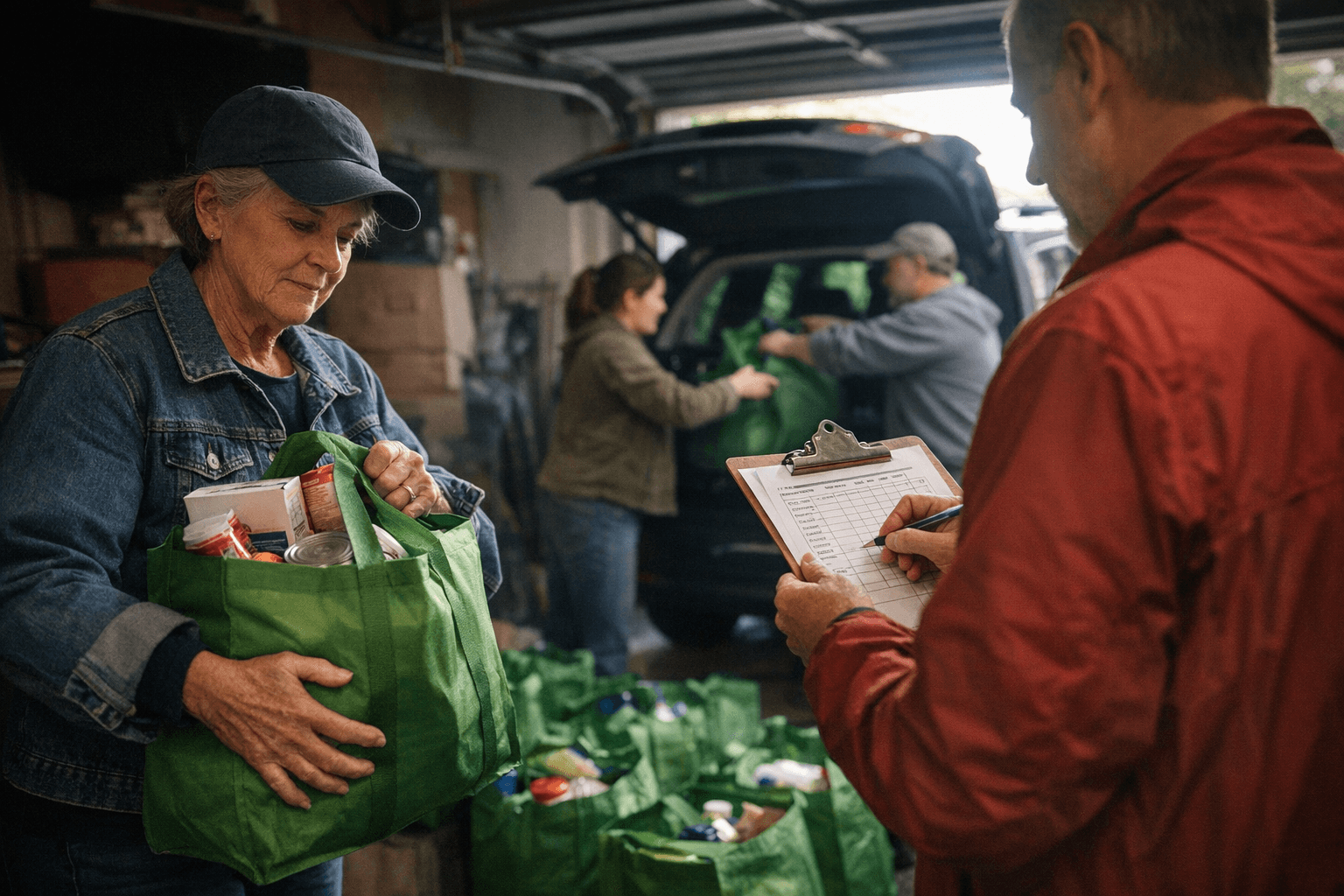
Missed pickups and vague instructions can break a neighborhood food drive fast. A Simple Gesture Reston tries to prevent that by making the green-bag model feel like an operating system: donors get reminder emails, the calendar repeats six times a year, and volunteer drivers know exactly when and where the bags should be waiting.
A pickup system built for busy households
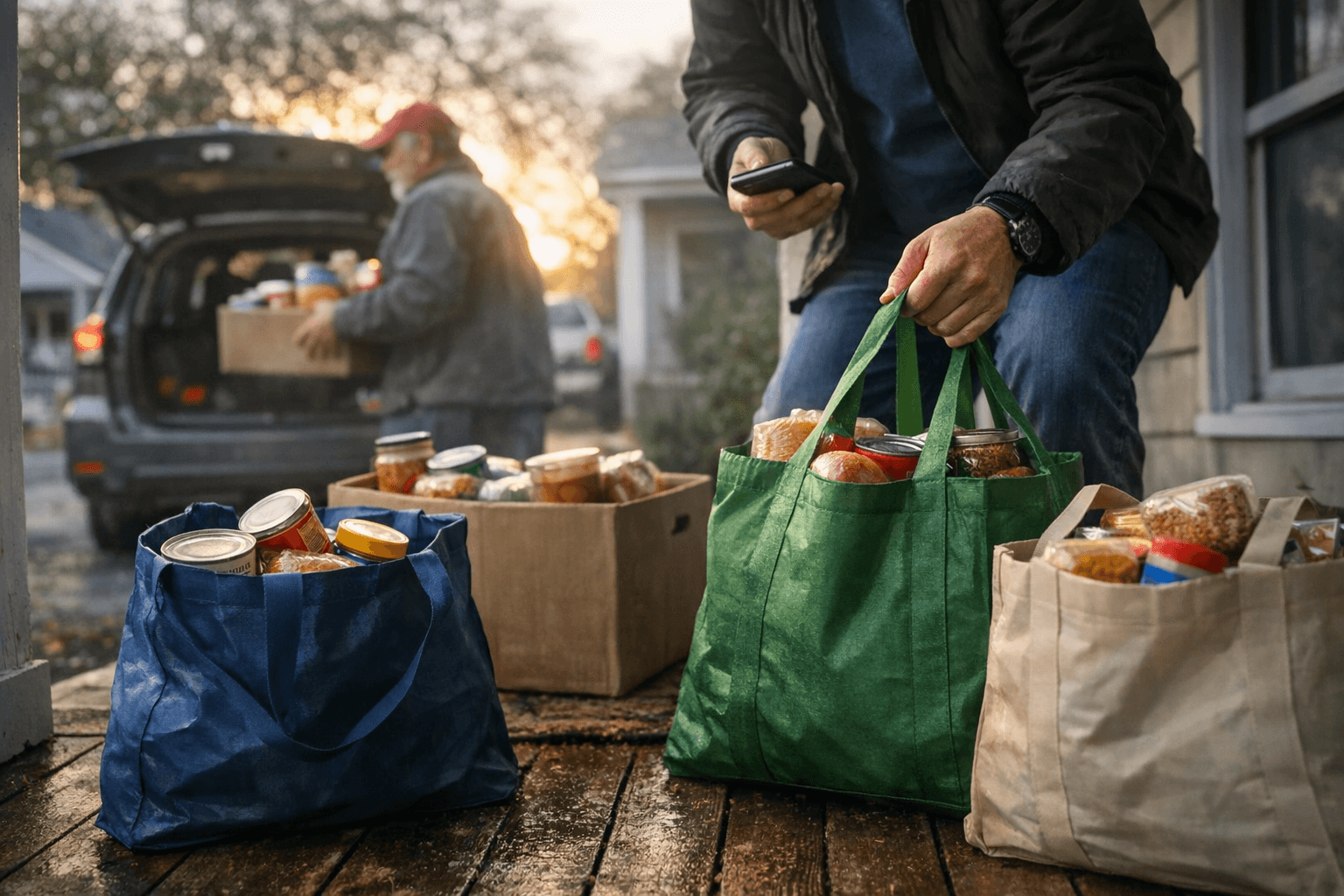
The Reston chapter’s signup page tells donors to keep a cool green bag at home, add one or two extra nonperishable items each week, then set the bag outside the front door about 10 days before pickup. On collection day, volunteers pick up the bag and leave another cool green bag in its place, so participation does not stop and restart with every drive. That small detail matters. Instead of asking households to relearn the process each time, the chapter turns giving into a routine that fits into ordinary errands and grocery trips.
The pickup window is also simple enough to remember. The chapter says it runs six collection cycles a year, and the site sends another email reminder one to two days before pickup. A February 2026 listing put the next sweep at 8:30 a.m. on Saturday, Feb. 7, 2026, which shows how specific the schedule can be when the operation is working well. For a volunteer-led food recovery effort, that kind of precision is not administrative fluff. It is what keeps porch pickups from becoming a guessing game.
Why the communication structure matters
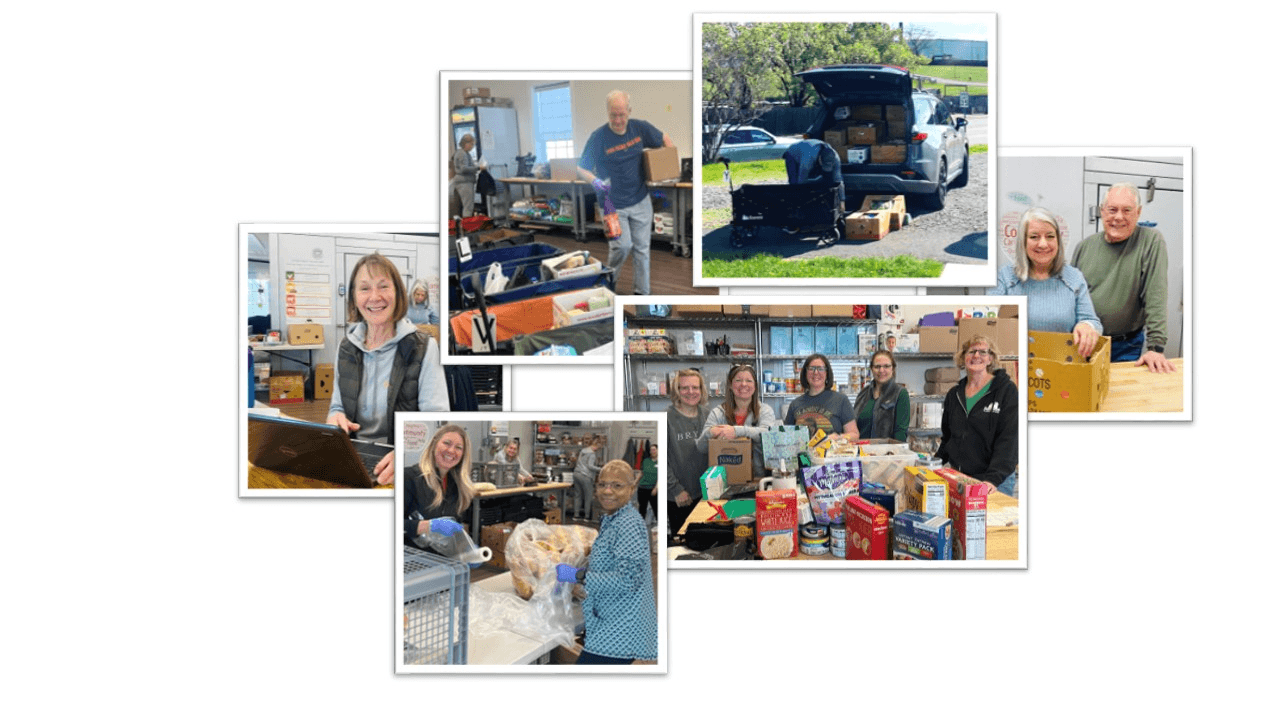
The real lesson in Reston is not just that the chapter has a signup page. It is that the page separates the donor experience from the work required behind the scenes. Donors are asked to follow a light, repeatable routine. Volunteers, by contrast, are given a clearer operational role, whether that means driving routes, sorting donations, or checking expiration dates when needed. That distinction helps coordinators avoid the common trap of treating every supporter the same.
Reston also gives people a named contact instead of forcing them through a generic inbox. Amy Joyce is listed for extra volunteer work and speaking requests, and the FAQ identifies her email directly. For a chapter that depends on local trust and quick responses, a real person attached to the program is a practical retention tool. It gives new volunteers somewhere to start, and it gives community groups a clear path if they want a presentation or want to get more involved.
The chapter’s fiscal setup is equally straightforward. Monetary donations are tax-deductible through Shoreshim Jewish Community, the fiscal sponsor. That matters to donors, but it also matters to staff and volunteers who have to explain why the donation flow is organized the way it is. It is another example of the chapter removing friction before it turns into confusion.
A small chapter with a large operating footprint
A Simple Gesture Reston traces its roots to June 2015, when Reston resident Bob Schnapp launched the local chapter after learning about A Simple Gesture in California. It started with about 20 members of Shoreshim Jewish Community and then grew by word of mouth. The model had already begun spreading to other communities, and Reston adapted it into a local program for Northern Virginia pantries.
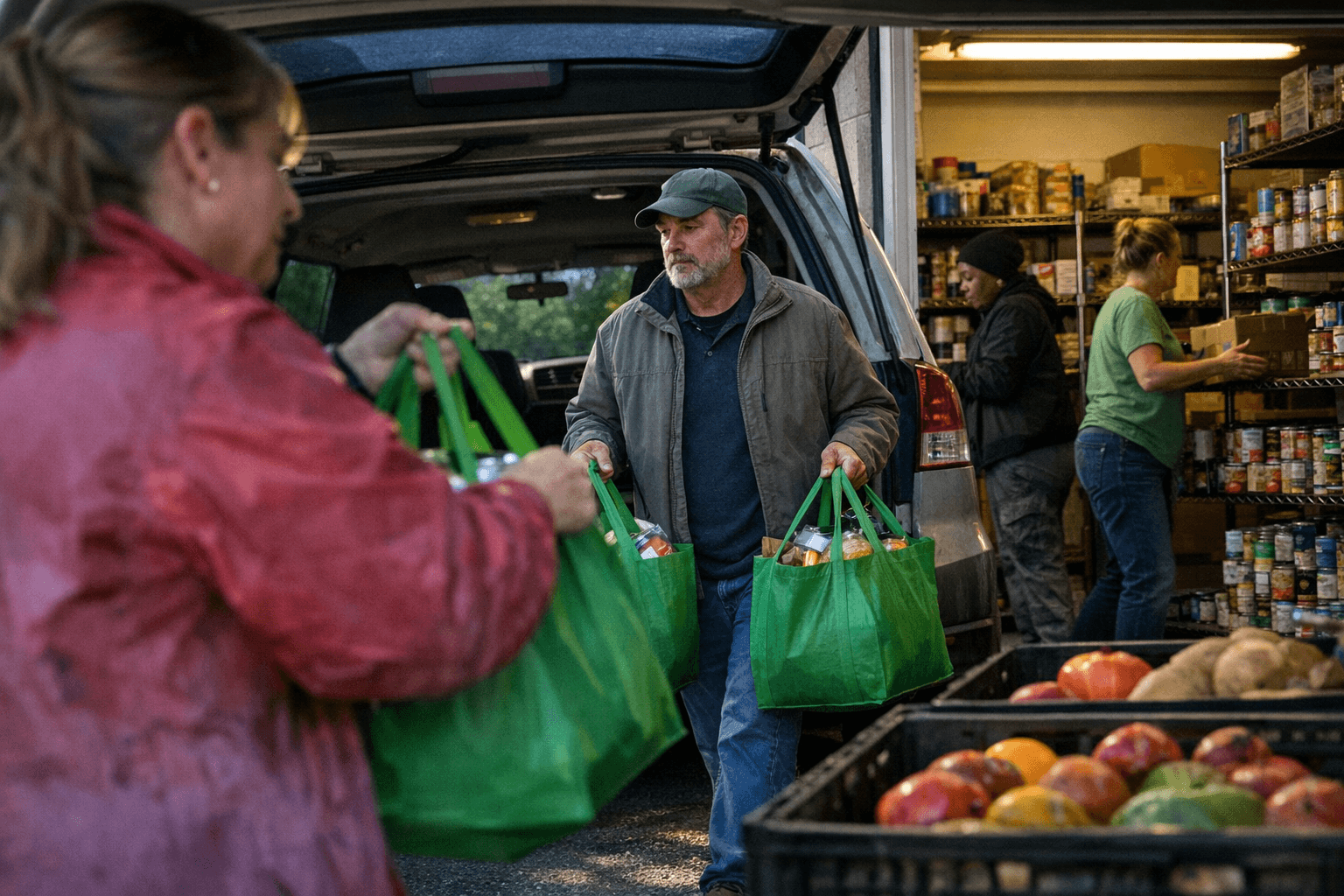
The chapter says it does not store or distribute food itself. Instead, it delivers donations directly to area pantries on collection days. That is an important operational choice because it keeps the work focused on recovery and delivery rather than warehousing. It also links the chapter’s success to pantry partnerships across the community, including Cornerstones, LINK Against Hunger, the South Lakes High School food pantry, and The Closet of the Greater Herndon area. In practice, that means every filled bag has a destination already built into the system.
The scale of the work shows why a smooth signup process matters. One update says a collection brought in more than 15,000 pounds of food. The chapter’s public materials say it has delivered more than 100 tons since inception, and later totals rose past 220,000 pounds. Those numbers are not possible without repeat volunteers, predictable pickups, and donors who understand what happens next.
What the volunteer pipeline looks like on the ground
The chapter’s own updates show how much labor sits behind one neighborhood sweep. One collection involved 61 volunteers. Another used 53 drivers and 43 food sorting volunteers. A different drive relied on 48 drivers and 26 sorting volunteers. Those counts make the point more clearly than any mission statement could: A Simple Gesture is not just a donor list, it is a coordinated labor system that has to be staffed, scheduled, and repeated.
For coordinators, that is where the Reston model offers a useful blueprint. The program gives donors a simple task, gives drivers a defined route, gives sorters a clear purpose, and gives everyone a reminder before the work starts. That structure helps with recruitment because it lowers the barrier to entry. It also helps with retention because volunteers know what is expected, when it happens, and who to contact if they want to do more.
For chapters trying to grow without losing people to confusion, that is the real takeaway from Reston. The mechanics are modest: a green bag, a reminder email, a six-cycle calendar, a named contact, and a direct line to pantries. Together, those pieces turn a neighborhood donation effort into something people can follow without having to decode it each time. In food recovery, clarity is not a nicety. It is the difference between a good idea and a dependable system.
Know something we missed? Have a correction or additional information?
Submit a Tip