A Simple Gesture highlights food recovery, safety, and liability protection
44.2 million people lived in food-insecure households, and A Simple Gesture’s pickup system shows why safety rules only work when volunteers can use them in the field.

Food recovery starts with the moment a donor hands over the bag
44.2 million people lived in food-insecure households in 2022, a reminder that every salvageable box, can, or cooler of food carries real weight. The other side of that equation is waste: the U.S. Environmental Protection Agency estimates that 66 million tons of wasted food were generated in the retail, food service, and residential sectors in 2019, and about 60% of it went to landfills. That is the gap A Simple Gesture tries to close, and it is why the organization’s work depends on more than goodwill. It depends on staff and volunteers knowing what can be accepted, what needs faster handling, and when a donation should be routed somewhere else.
Why safety and liability rules matter at the front line
Food donation rules only protect a workplace when the people making the call can apply them in real time. For A Simple Gesture, that means the difference between a smooth pickup and a rushed judgment in a driveway, parking lot, or pantry loading area. A donor may hand over a box that looks usable but needs refrigeration, or ask whether a prepared item from a campus event can be saved. If volunteers and coordinators do not have clear guidance, usable food gets discarded too quickly, or unsafe food enters the system.
The U.S. Department of Agriculture says nonperishable foods and unspoiled perishable foods from homes and businesses help stock food banks, soup kitchens, pantries, and shelters. The same guidance also makes the operational point that prepared perishable foods often require refrigeration, insulated transport, and prompt distribution. That matters on pickup day, because the right answer is not simply yes or no. It is whether the network can handle the food safely from the curb to the pantry shelf.
What liability protection actually covers
The Bill Emerson Good Samaritan Food Donation Act is the legal backstop that makes many good-faith donations possible. USDA says the law provides federal civil and criminal liability protection for people who donate food in good faith to nonprofit organizations for free distribution to people in need, as long as the food meets applicable quality and labeling standards. USDA’s FAQ materials also make clear that the protection applies when donations are made without requiring anything of monetary value from the recipient.
That distinction is not academic. It tells staff where the line is between a protected donation and a transaction that falls outside the law’s shelter. USDA also says the Act does not protect acts or omissions involving gross negligence or intentional misconduct. For A Simple Gesture, that is a practical reminder that liability protection is not a substitute for training. It is strongest when the organization documents its process, gives donors usable instructions, and keeps volunteers from improvising on the spot.
The current USDA FAQs also reflect amendments passed on January 5, 2023, under Public Law 117-362. For managers and coordinators, that means the guidance should be treated as current operating language, not an old charitable-food memo sitting in a binder.
The meat, poultry, and egg question needs a separate playbook
Not every donation category should be handled the same way. The Food Safety and Inspection Service says its donation guideline is designed to help both establishments and nonprofit organizations that donate or receive donated meat, poultry, and egg products. It addresses eligible products, labeling, shipping requirements, and products produced under exemption.
That matters because some of the hardest donation decisions involve exactly those items. A volunteer may be looking at a cooler of eggs from an event, a tray of prepared poultry from a campus kitchen, or packaged meat with labeling questions. FSIS guidance gives staff a safer way to answer those questions without treating every donated protein the same. In a food recovery network, that kind of clarity reduces hesitation, keeps food moving, and helps coordinators decide quickly whether a donation belongs in the truck, the fridge, or a different channel entirely.
How A Simple Gesture turns policy into a pickup route
A Simple Gesture says its Guilford County operation was established as a 501(c)(3) nonprofit in 2015, building on a food-collection template that began in 2011. It also says the program partners with dozens of local food pantries, which is the part that turns a neighborhood donation campaign into a functioning recovery network. Its food recovery program rescues edible food from businesses and delivers it to local nonprofits, using volunteer drivers on weekdays.
That structure matters for day-to-day operations. Volunteer recruitment is easier when people understand they are joining a system with a clear purpose, not just signing up for a generic errand. Retention improves when routes are predictable, donor expectations are consistent, and drivers know why a bag has to be checked, chilled, or redirected instead of left to sit. In Greensboro and across Guilford County, that kind of reliability is what keeps a doorstep food program from becoming a loose collection of good intentions.
The handoff points that determine whether food is saved or scrapped
The strongest food recovery programs do their work at a few critical handoff points:
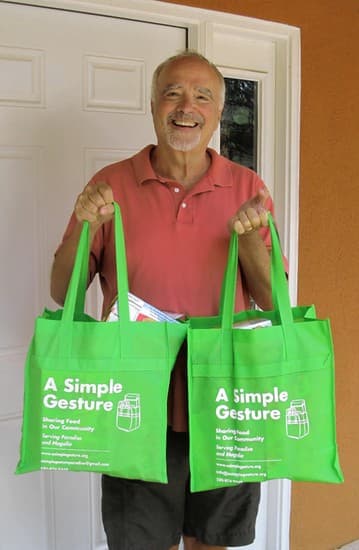
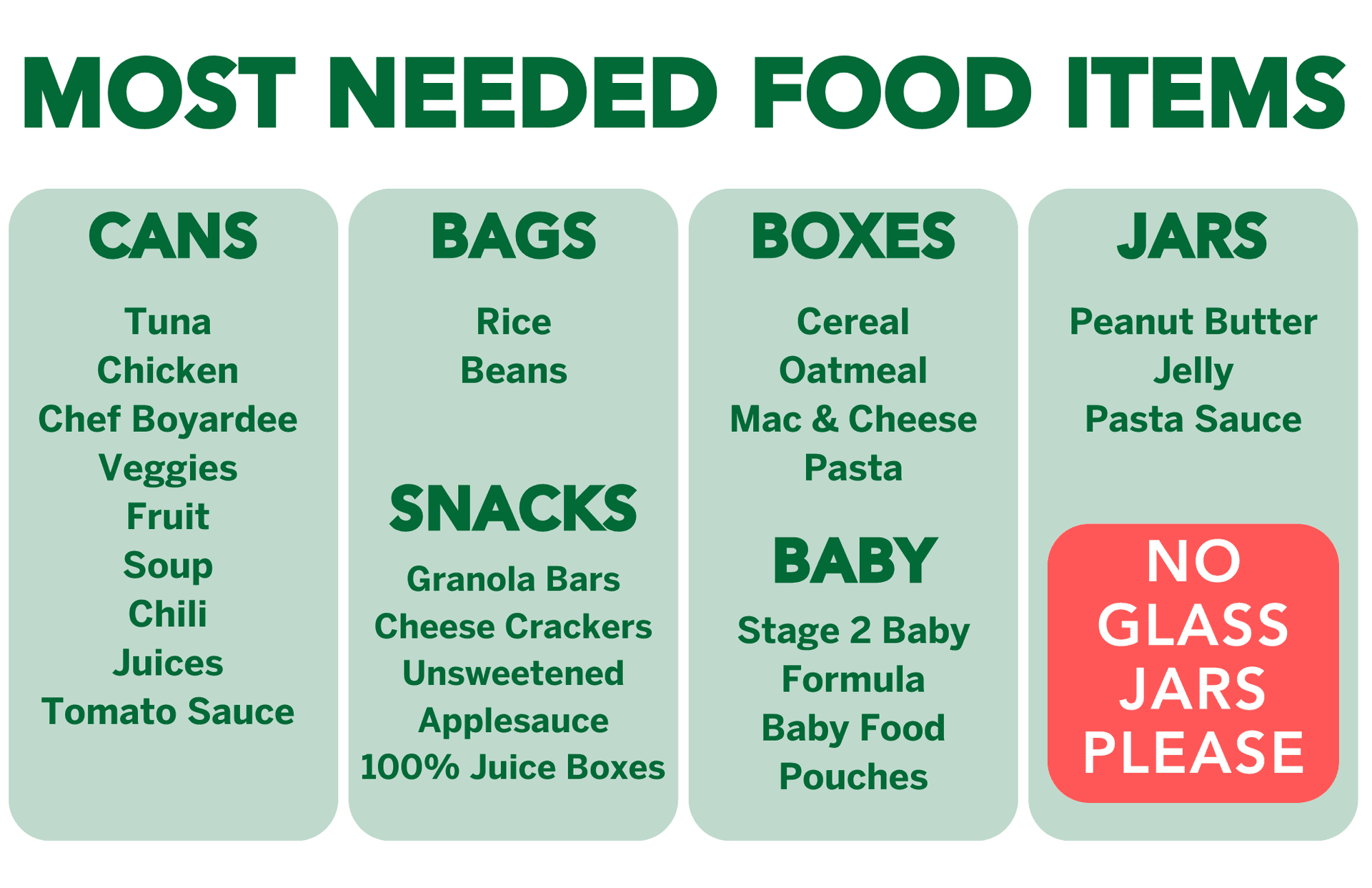
- When the donor is told exactly what belongs in the green bag and what needs another path.
- When the volunteer knows whether a donation is nonperishable, unspoiled perishable, or something that needs refrigeration and quick transfer.
- When the coordinator has a clear answer for unusual items, including prepared food from a campus, restaurant, or event.
- When the receiving pantry or nonprofit can move food into distribution fast enough to preserve quality and safety.
Those moments are where liability protection meets logistics. They also explain why a doorstep system needs more than collection dates and pickup routes. It needs chapter-level policies that are simple enough for volunteers to use and specific enough to keep safe food from being thrown away because nobody wanted to make the wrong call.
A Simple Gesture’s model shows the real lesson in food recovery: generosity is not enough on its own. The system only works when safety rules, legal protection, donor instructions, and pantry partnerships line up at the curb, the cooler, and the delivery stop. When that happens, the network moves food quickly from surplus to table instead of letting it become another statistic headed for the landfill.
This article was produced by Prism’s automated news system from verified source data, official records, and press releases, then run through automated quality and moderation checks before publishing. The system is built and supervised by the people who set the standards it runs under. Read our full AI policy.
Did this article answer your question?