Claire Babineaux-Fontenot leaves Feeding America after centering lived experience on hunger policy
Claire Babineaux-Fontenot left Feeding America after remaking hunger policy around lived experience, a model that now pressures local food networks to listen harder.
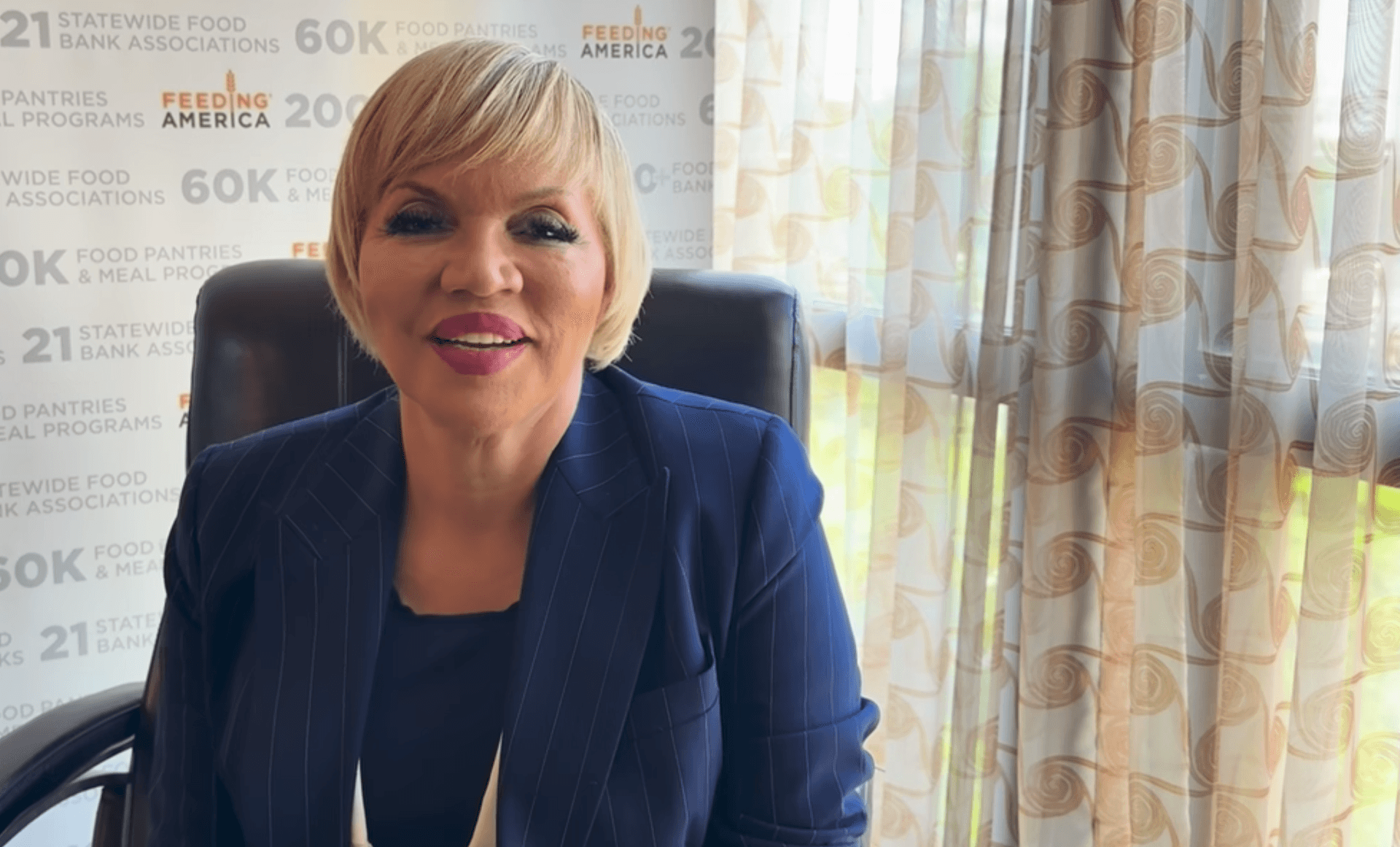
Claire Babineaux-Fontenot’s biggest mark on Feeding America was not a staffing overhaul or a fundraising campaign. It was a management model that gave people facing hunger a stronger voice in how the system works.
After seven and a half years as chief executive, Babineaux-Fontenot exited after building a leadership style centered on listening, not just distribution. Feeding America launched Elevating Voices to End Hunger Together on May 31, 2022, and said the effort gathered input from nearly 36,000 people across all 50 states, Washington, D.C., and Puerto Rico. That listening work fed into the organization’s annual Elevating Voices: Insights Report and into policy recommendations that Feeding America says reflect the priorities of people who self-identified as facing difficulty getting the food they need.

The shift matters because it changed what counted as expertise. Feeding America’s 2024 report said high food costs, low income or no income, and housing costs were the biggest drivers of food insecurity named by respondents. In the 2025 report, nearly 70 percent of respondents said they wanted to eat healthier but could not afford to do so. Those are not abstract findings for a national charity; they are operational signals about what kind of food gets distributed, how often, and at what cost to households already under pressure.

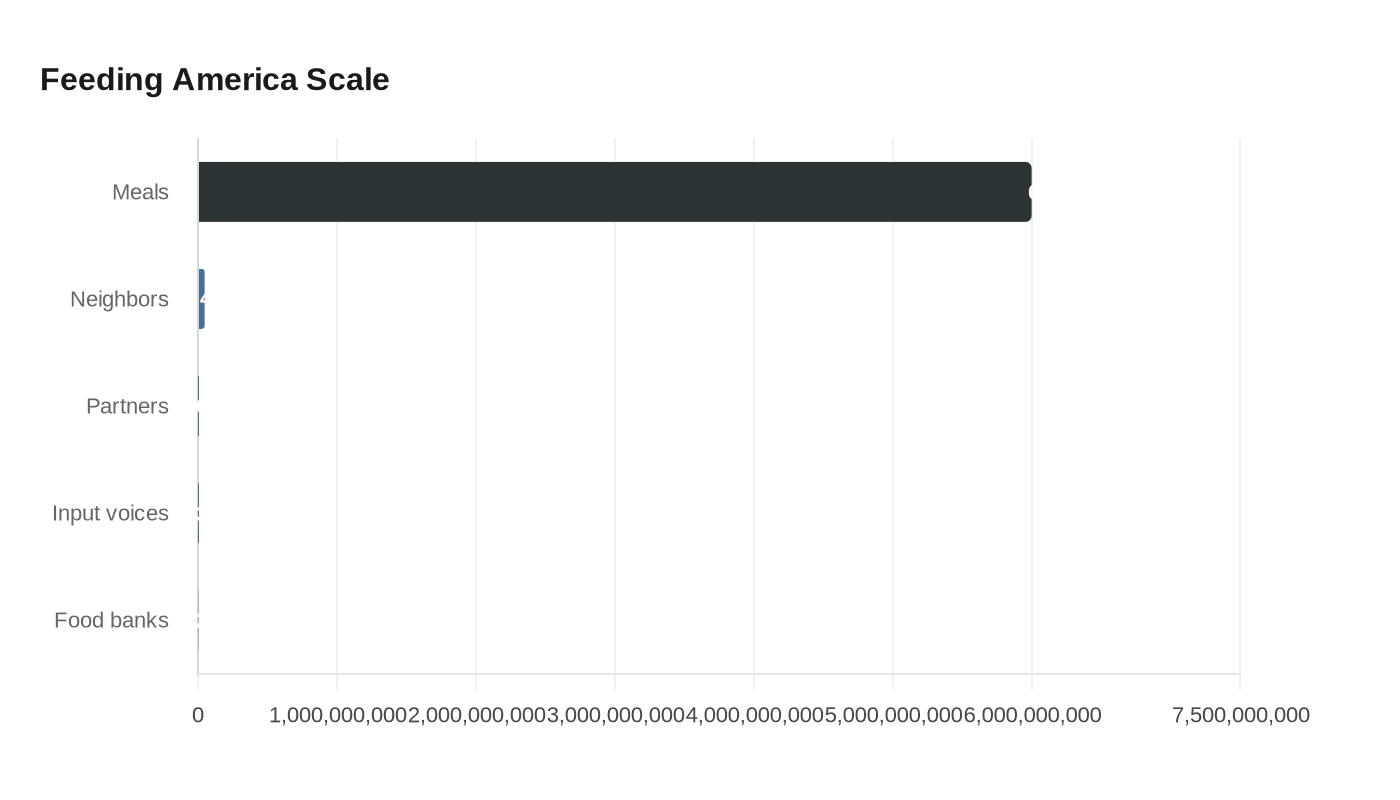
The succession also gives Feeding America a new test. The organization said Babineaux-Fontenot would transition out of the CEO role in 2026, and later named Denis McDonough as her successor, effective April 14, 2026. McDonough inherits a network that says it supports 48 million neighbors through more than 250 food banks and 60,000 community partners, and that it provided nearly 6 billion meals last year. Feeding America also says fresh produce, protein and dairy now make up more than half of all food distributed, a sign that the group has tried to move beyond volume alone and toward nutritional quality.
For A Simple Gesture, the lesson is practical. Food recovery networks live or die on trust, and trust comes from knowing where the friction is, whether that is a pickup route that volunteers keep missing, a pantry partner that needs a different delivery window, or a donor who needs clearer instructions. Babineaux-Fontenot’s habit of moving to sit with people with lived experience at a hunger conference was symbolic, but it was also managerial: it showed that legitimacy comes from proximity to the work. That is the standard the next generation of Feeding America leadership now has to meet.
Know something we missed? Have a correction or additional information?
Submit a Tip