Food banks brace for new SNAP work requirements as changes roll out
Food banks are bracing for a surge in demand as SNAP work rules tighten, forcing staff to plan for churn, confusion and uneven state rollouts.
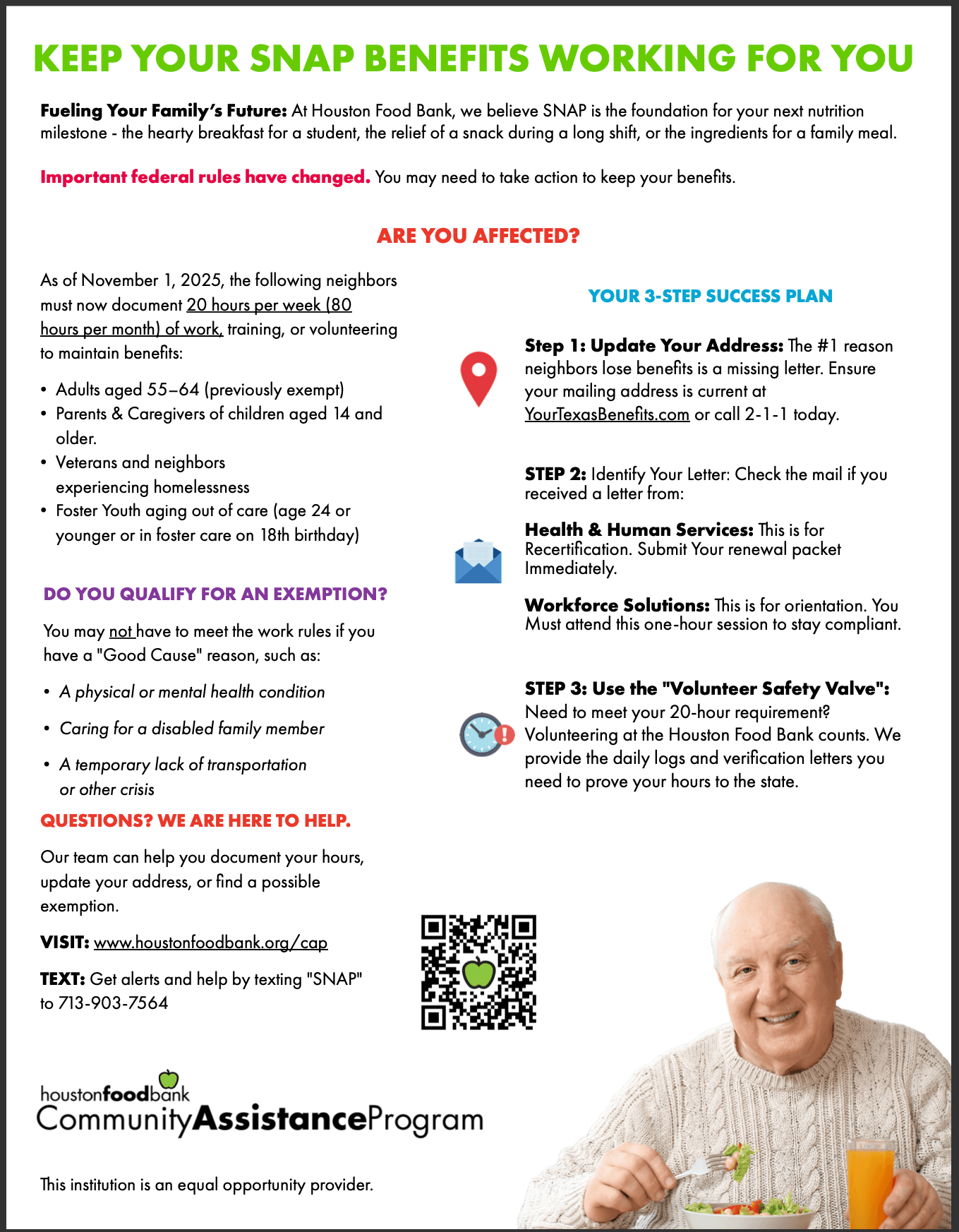
Food banks are treating the new SNAP work rules as an operations problem, not just a policy change. As states begin to roll out guidance tied to the One Big Beautiful Bill Act of 2025, millions of adults who qualify for SNAP could have to prove they meet new work requirements before they can keep benefits beyond three months in a three-year period.
That matters far beyond eligibility desks. USDA’s Food and Nutrition Service says adults without dependents, known as ABAWDs, can receive SNAP for only three months in a 3-year period if they do not meet certain work requirements. It also says state agencies must screen for general work requirements and ABAWD time-limit rules, and that its SNAP work requirements page will be updated once guidance is released. For food recovery groups like A Simple Gesture, the practical question is how quickly demand rises when households lose benefits or hit administrative snags.
The pressure is not likely to hit every place at once. State timelines will vary, which means coordinators have to plan without a single national date to anchor staffing, volunteer routing or pantry deliveries. That kind of uncertainty can ripple through green bag pickup schedules, intake counts and weekend distribution plans, especially when working families need food outside standard business hours.
The groups most exposed to the changes include adults ages 55 to 64, veterans, people experiencing homelessness and former foster youth. Food Bank News also reported that able-bodied adults must now work until age 64, up from 54, and that veterans, homeless people and young adults who recently aged out of foster care face new work requirements. In a network built on trust and routine, those changes can show up first as confusion at the door, then as heavier traffic at pantry sites and more requests for benefits navigation.
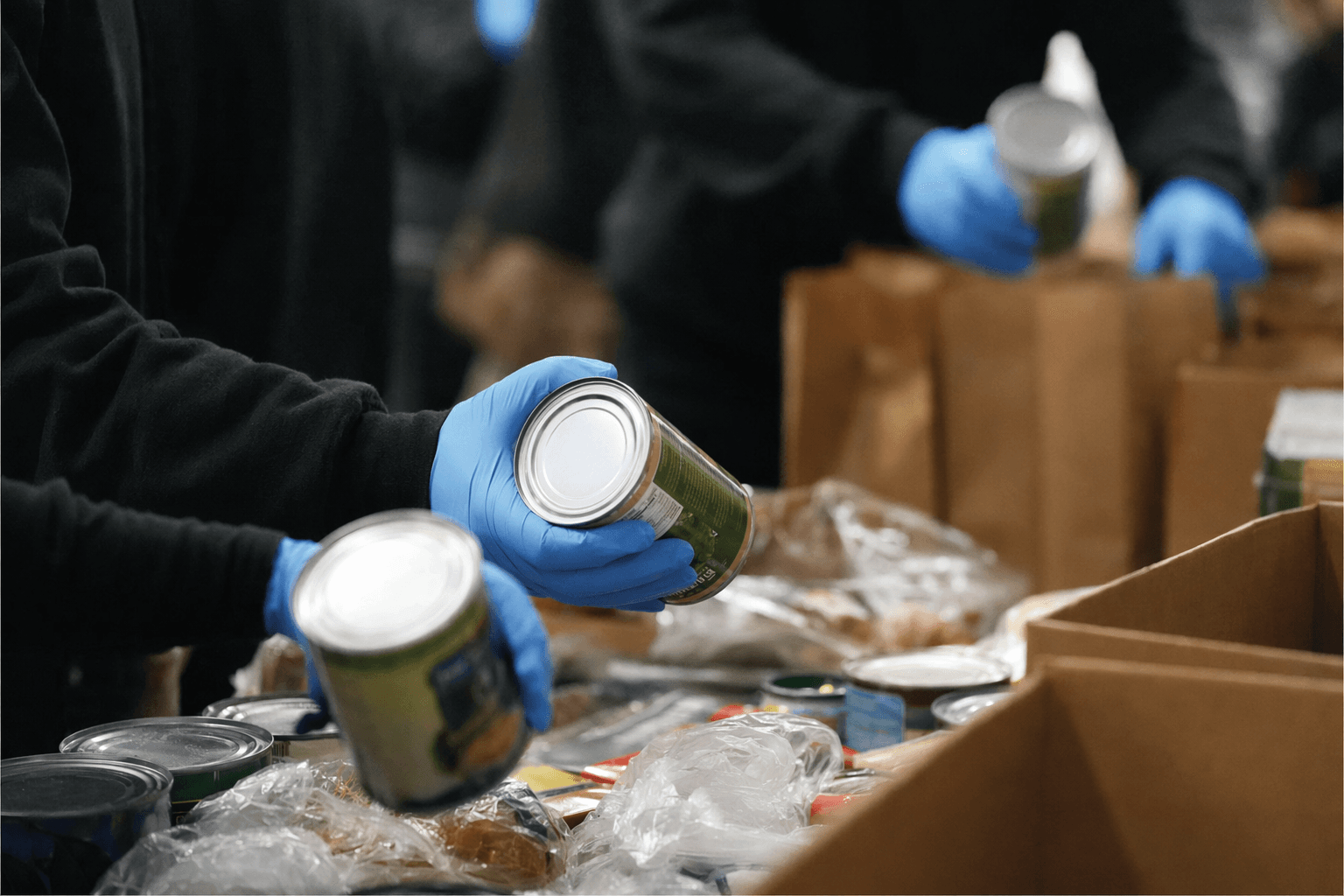
Houston Food Bank has moved early, promoting a “three-step success plan” for people affected by the work rules and building a “united front” with the Greater Houston Community Foundation and the local United Way. Its Community Assistance Program offers SNAP application help, and its Community Resource Navigators can help residents apply and submit applications electronically to the state. That is the kind of frontline support other food banks may need to mirror as changes spread.
Feeding America says its network includes more than 200 food banks, 22 statewide food bank associations and 60,000 agency partners, a scale that shows how quickly policy shifts can become staffing and distribution challenges. If fewer households can access benefits on time, food banks and neighborhood programs like A Simple Gesture will have to absorb the difference, with tighter route planning, stronger pantry coordination and more careful volunteer scheduling from the first week of rollout.
This article was produced by Prism’s automated news system from verified source data, official records, and press releases, then run through automated quality and moderation checks before publishing. The system is built and supervised by the people who set the standards it runs under. Read our full AI policy.
Did this article answer your question?