DOL guidance highlights lactation break rights for flexible nonprofit workplaces
Lactation support is a compliance issue, not a courtesy. For A Simple Gesture, that means planning private space, break coverage, and supervisor training before a new parent is left improvising.
The right to pump at work is a workplace design issue
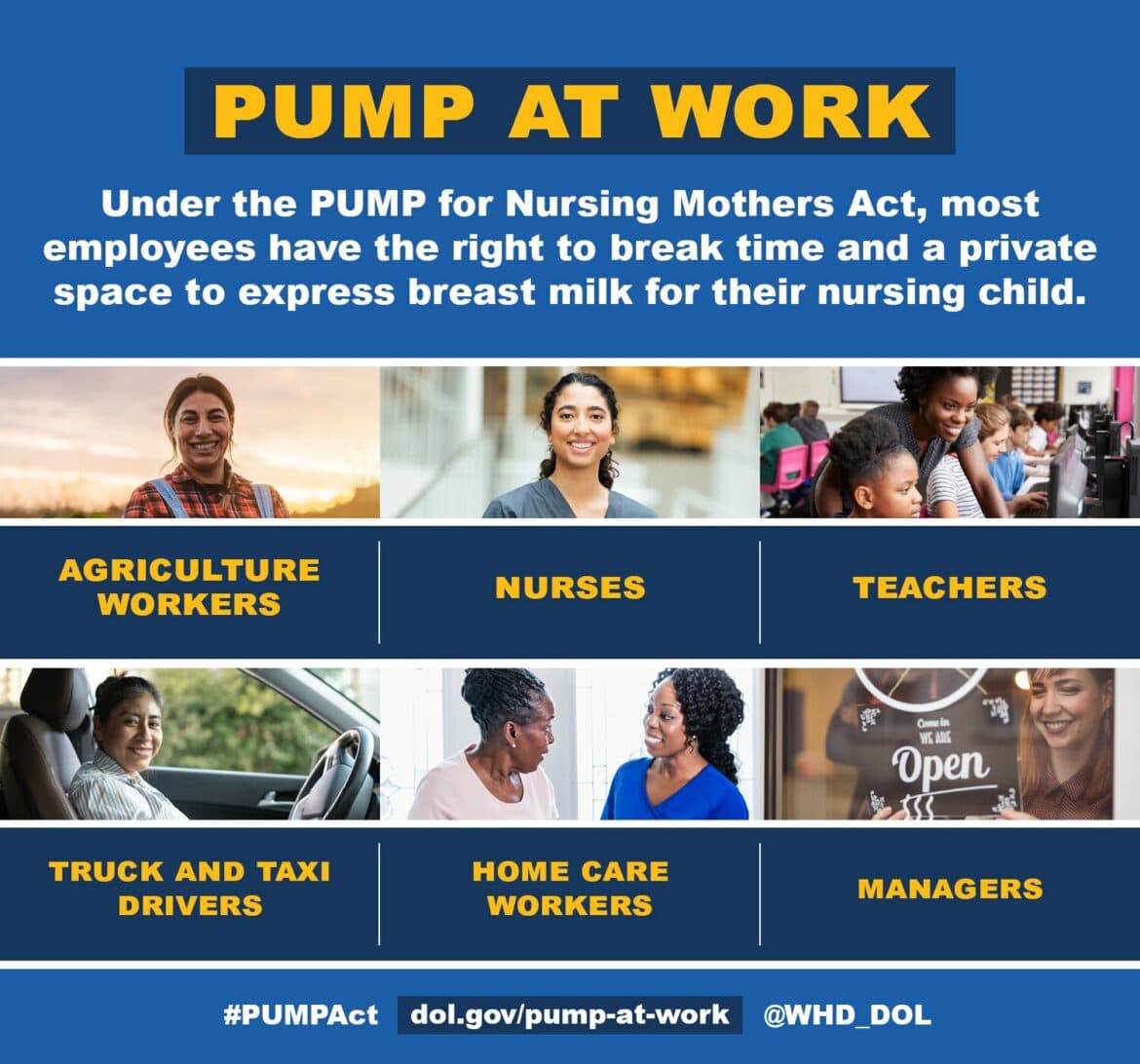
The clearest lesson from federal guidance is simple: pumping support is not a favor from a sympathetic manager. Under the Fair Labor Standards Act, most nursing employees are entitled to reasonable break time and a private place to express breast milk for up to one year after a child’s birth, and that space must be shielded from view, free from intrusion, and not a bathroom. The U.S. Department of Labor also makes clear that teleworkers have the same rights as employees on-site, so flexible schedules do not erase the obligation to provide support.
For a nonprofit like A Simple Gesture, that matters because the work is rarely confined to one desk or one location. Route coordination, donor outreach, warehouse tasks, event support, and community pickups can all sit in the same week, which means lactation support has to follow the job, not the building. The practical question is not whether an employee can “make it work”; it is whether the organization has already built a structure that lets that employee stay on the team.
What the law now covers
The legal baseline expanded when the Consolidated Appropriations Act of 2023 became law on December 29, 2022, and included the PUMP for Nursing Mothers Act. The U.S. Department of Labor says that expansion brought more workers under the protection of pumping rights, including agricultural workers, nurses, teachers, truck and taxi drivers, home care workers, and managers. That matters well beyond traditional office settings because it recognizes that many jobs simply do not fit a standard nine-to-five model.
The Labor Department also says additional remedies for PUMP Act violations are available for violations occurring on or after April 28, 2023. In practice, that turns what once looked like an informal accommodation into a compliance issue with real consequences. For employers, especially mission-driven ones that rely on public trust, the risk is not just legal exposure but the message sent when basic workplace needs are treated as optional.
Why this is especially important in nonprofit food recovery work
A Simple Gesture depends on coordination across volunteers, staff, neighborhoods, and pantry partners, which can make schedules feel fluid even when the work is demanding. That flexibility can be a strength, but it can also create gaps if no one has mapped out where a private lactation space exists or who covers a short break when a coordinator needs one. If an employee is moving from donor outreach to route logistics to an event in the same day, the organization needs a plan before the day starts.
That is where compliance and retention meet. When a new parent has to improvise around pumping, the friction does not stay personal for long. It can affect attendance, morale, and whether a skilled worker decides the job is sustainable, especially in a nonprofit environment where turnover can ripple through volunteer recruitment, route planning, pantry partnerships, and community reach.
Health guidance says support is part of the job, not a side benefit
The public-health case is as strong as the legal one. In the Surgeon General’s breastfeeding call-to-action executive summary, 75 percent of mothers start breastfeeding, but only 13 percent of babies are exclusively breastfed at six months. The Centers for Disease Control and Prevention says providing work-related support to sustain breastfeeding fits a Total Worker Health approach, which treats workplace conditions as part of employee health rather than an afterthought.
Research reviews reinforce the point. A Cochrane review found no randomized trials evaluating workplace breastfeeding interventions, but its background notes that employer support can reduce absenteeism and improve morale and retention. A workplace lactation review goes further, saying the strain of balancing work responsibilities and lactation demands can create substantial stress and work-family conflict. For nonprofit leaders, that is not abstract theory; it is the difference between a manageable schedule and a constant scramble.

How to build support into a flexible workplace
The most effective response is to make lactation coverage part of the operation, not a case-by-case improvisation. That starts with a space that is private, protected from intrusion, and available when needed. It also means building break coverage into route schedules, shift plans, and event staffing so an employee is not forced to choose between milk expression and doing the job.
- A designated private room or enclosed space that is not a bathroom.
- Clear break coverage for staff whose work moves between office, field, and event settings.
- Supervisor training so managers understand that pumping time is a protected workplace need.
- A scheduling process that anticipates short, repeatable breaks instead of treating them as emergencies.
- A backup plan for employees working remotely, since telework does not change the right to pump.
A strong workplace plan should include:
For an organization like A Simple Gesture, this kind of planning also protects the continuity of food recovery work. If a coordinator is buried in route coordination one hour and donor calls the next, the organization benefits when that employee can step away briefly and return to work without disruption or stigma.
Where the Pregnant Workers Fairness Act fits in
The U.S. Equal Employment Opportunity Commission says pumping rights can intersect with the Pregnant Workers Fairness Act, which generally requires reasonable accommodations for pregnancy, childbirth, or related medical conditions unless the employer can show undue hardship. The EEOC and Labor Department guidance together make a broader point: lactation is not just a break policy, it can also be an accommodation issue.
That matters because some employers still treat pumping as a personal workaround instead of a workplace obligation. Federal guidance says some employees may be exempt if compliance would create significant expense or unsafe conditions, but that is the exception, not the standard. For most employers, especially those with mixed-use operations and flexible staffing, the better answer is to design the schedule and space around the need rather than push the burden back onto the worker.
The practical takeaway for A Simple Gesture
For a nonprofit built on trust, reciprocity, and community care, getting lactation support right signals something larger than policy compliance. It tells staff that the organization understands dignity as part of retention, not a perk handed out when convenient. It also tells new parents that they do not have to leave their needs at the door to keep doing good work.
The DOL’s message is straightforward: the right to pump belongs in the structure of work. For A Simple Gesture, that means private space, protected break time, and scheduling support should be built into the day before anyone has to ask.
This article was produced by Prism’s automated news system from verified source data, official records, and press releases, then run through automated quality and moderation checks before publishing. The system is built and supervised by the people who set the standards it runs under. Read our full AI policy.
Did this article answer your question?