Michigan Food Club Network expands, hires executive director to scale statewide
Michigan’s Food Club Network is adding a fourth site and its first founding executive director as member-based food access moves from pilot to statewide scale.

Michigan’s Food Club Network is moving out of incubation and into expansion, adding a fourth location while hiring Lura Barber as founding executive director to turn the model into a statewide nonprofit. The shift marks a deeper bet that hunger relief can work more like a neighborhood market than a traditional pantry line.
The network’s clubs are built around membership, not a client-service model. Members pay about $12 to $18 for a 30-day membership, shop as often as they want during that period, and use a point system that typically provides about ten days of food. Backers say that structure gives people more control over what goes home with them, and it changes the feel of the visit from emergency distribution to routine access.

That distinction matters as the network grows. Michigan now has three food clubs, in Grand Rapids, Holland and Ludington, with a new club planned for Saginaw in 2026. The organization has spent roughly a decade testing the concept, and last year it served more than 11,000 households and distributed nearly 5 million pounds of food.
The roots of the model go back to Grand Rapids, where the first Community Food Club formed in 2015 through a coalition of seven partner organizations. The idea was shaped by a critique of traditional charity, with early planning influenced by Toxic Charity and years of preparation before the first pilot opened. The premise was simple: people facing food insecurity should be able to choose food with dignity, not accept a prepacked box without control over what is inside.
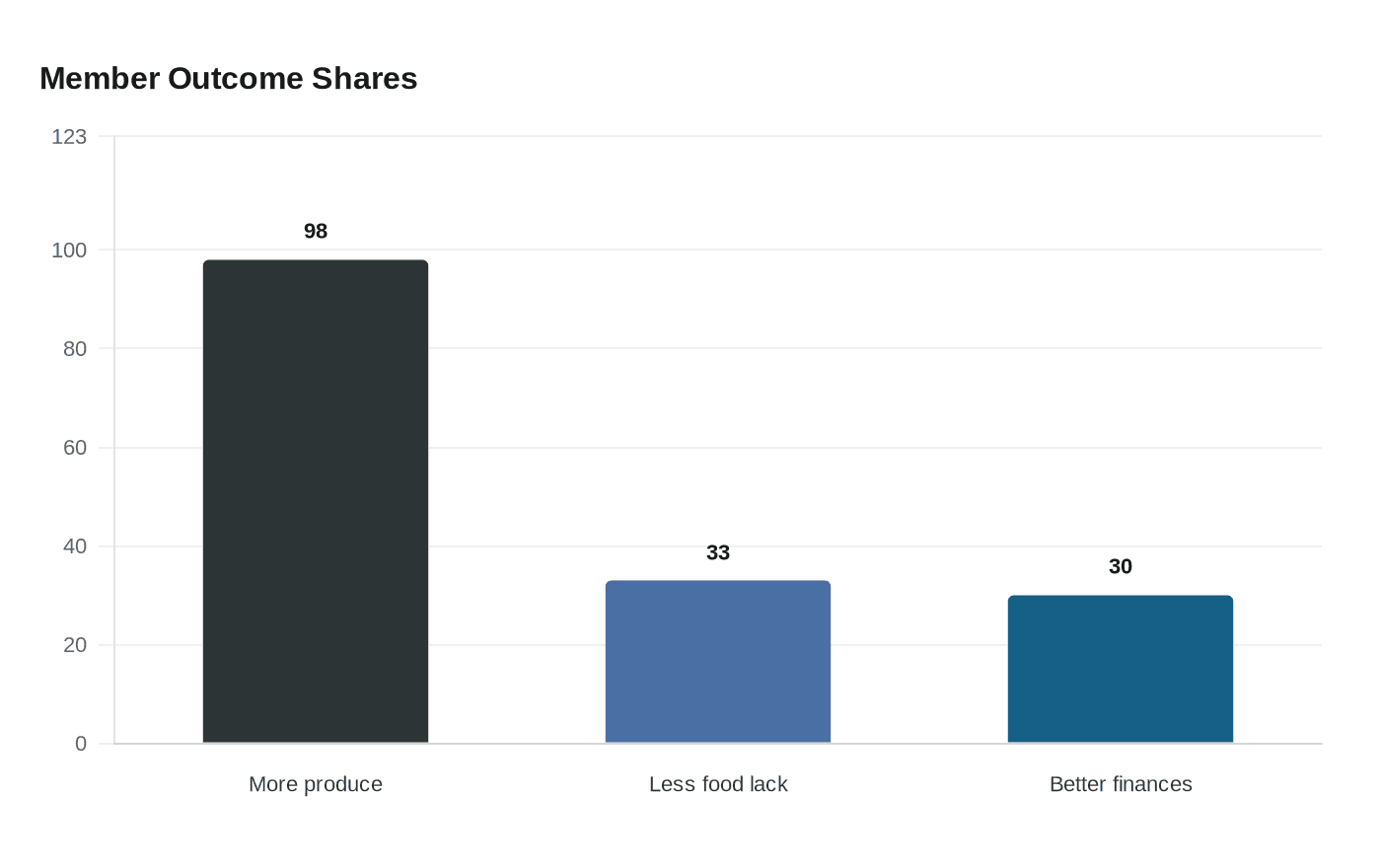
That theory has shown measurable results. Food Bank News has reported that 98% of Community Food Club members said they ate more fruits and vegetables, 33% said they lacked adequate food less often, and 30% said their financial security improved. A June 18, 2025 network post said Community Food Club served more than 9,500 people each month, double the number of members since 2023. Another network update said more than 4 million pounds of food had been rescued from local retailers and restaurants.
The network’s growth is also tied to health care partnerships. Michigan Health Endowment Fund materials say the Food Club Network is being strengthened to become an independent entity, provide technical assistance to new and existing sites, and build connections to health outcomes through newer Medicaid provisions. The fund has backed the network as a community-centered approach to food access that emphasizes dignity, choice and equitable nutrition.
For nonprofits built on volunteers and local food recovery, the Michigan model offers a practical lesson: scaling a food program is not just about collecting more groceries. It also requires clearer systems, steadier staffing and a member experience designed to keep people coming back.
Know something we missed? Have a correction or additional information?
Submit a Tip