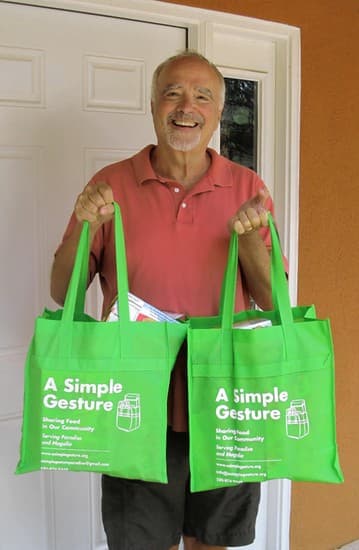
A Simple Gesture relies on volunteer drivers for routine food recovery routes
Volunteer drivers keep A Simple Gesture’s food recovery moving, but every route also carries insurance and liability decisions that coordinators need to lock down first.
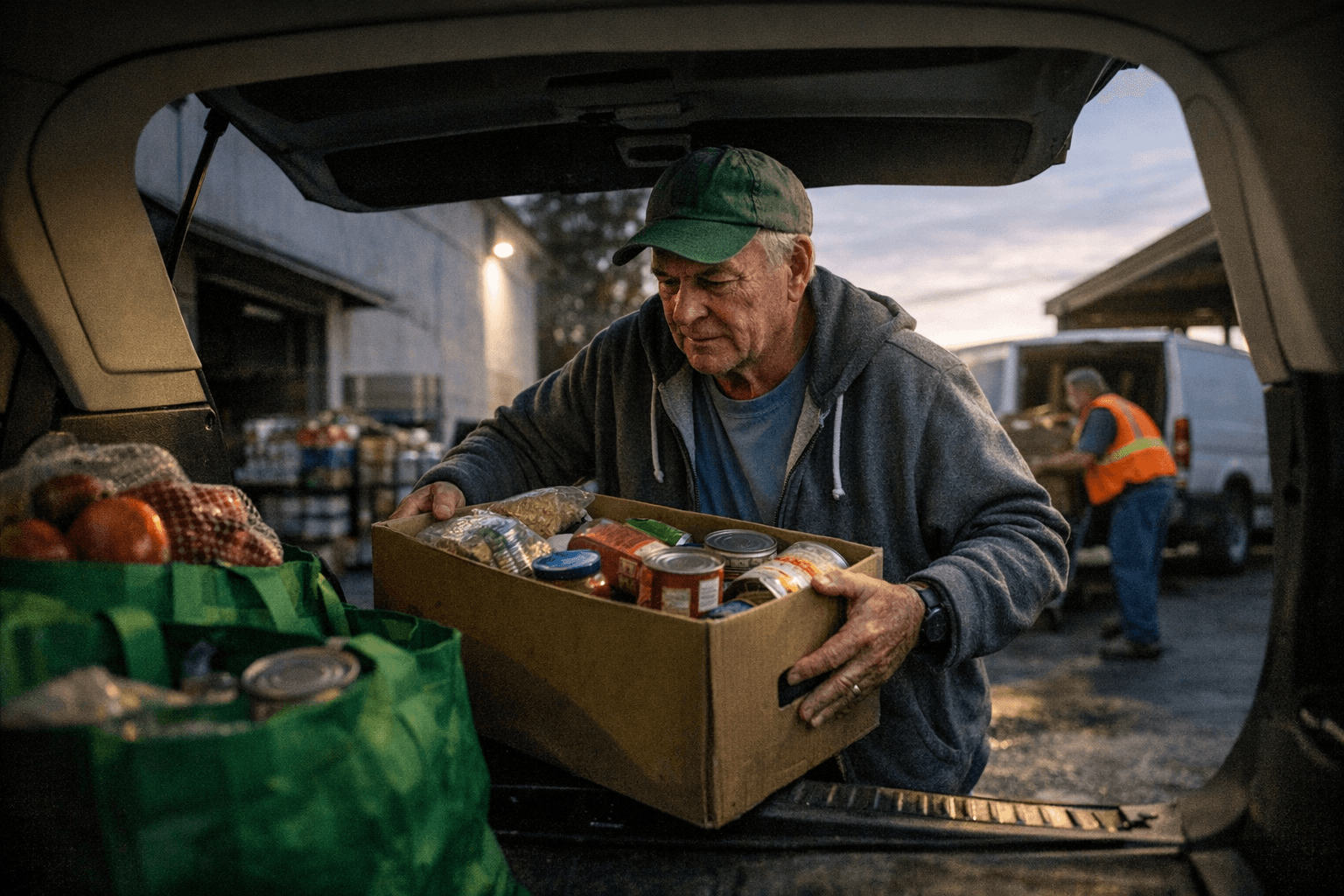
Volunteer routes are the backbone, and the risk sits in the driver’s seat
A Simple Gesture’s food recovery model depends on routine pickups, not occasional heroics. In Guilford County, volunteer drivers collect filled green bags and rescue edible food from businesses, then deliver it to local nonprofits and dozens of food pantries. That makes route coordination a daily management function, with real exposure attached to every scheduled stop.
The risk is not abstract. The Nonprofit Risk Management Center says many nonprofits rely on volunteer drivers to fill important transportation gaps, but motor-vehicle work is inherently risky and accidents can still happen. For ASG, that means the ordinary questions, who is driving, what vehicle is being used, whether the driver is ready, and how a claim would be handled, are governance issues, not administrative afterthoughts.
What ASG asks of volunteers tells you how operationalized the work has become
ASG’s Guilford County program says weekday drivers can use a clean personal car for pickups and deliveries. It also sets concrete expectations: volunteers must be 18 or older, able to lift 20-pound boxes, use a smartphone, and wear closed-toe shoes. That is the profile of a route-based operation that needs coordination, not a casual ride-along model.
The organization’s volunteer calendar reinforces that point. It lists recurring Green Bag Volunteer Driver pickup dates across Greensboro, High Point, and Guilford County, which means route planning is recurring work with recurring risk. ASG also lists a Refugee Feeding Network volunteer-driver role alongside Green Bag and food recovery driving, broadening the number of partners, stops, and handoffs that coordinators have to manage safely.
ASG’s Guilford County contact details also show how rooted the operation is locally: PO Box 4426 in Greensboro, physical address 3503 Redington Drive in Greensboro, and EIN 47-2995932. That local footprint matters because route oversight is happening within a defined community network, not through an anonymous national logistics chain.
Insurance cannot be an afterthought once a volunteer pulls out of the driveway
The cleanest line in the risk guidance is also the one route coordinators need to remember: nonprofit auto coverage usually applies to vehicles owned by the organization, but policy details matter and coverage gaps can exist. The Nonprofit Risk Management Center says many nonprofits also carry coverage for non-owned vehicles, including personal cars driven on the organization’s behalf, and warns that auto coverage does not automatically protect against every loss.
That distinction is critical for ASG because its model leans on personal vehicles. If a volunteer is using their own car for pickups and deliveries, the volunteer’s personal auto insurance may be primary, while the nonprofit’s coverage may come into play depending on the policy terms. A separate nonprofit-insurance provider says commercial auto coverage for nonprofits can be built to cover personal vehicles used for nonprofit work and may include risk-management tools such as vehicle monitoring, telematics, and driver training.
There is another detail that route managers should not miss: the Nonprofit Risk Management Center notes that some losses, including vehicle theft, may be excluded even when a nonprofit has auto coverage. That is the sort of detail that should be reviewed before a route is assigned, not after a report is filed.
The management checklist for ASG route coordinators
For ASG leaders, the practical lesson is not just “be careful.” It is that route coordination has to function like a control system. Before a volunteer leaves to pick up green bags or recover food from a partner, coordinators should know exactly which safeguards are in place.
- Verifying whether the driver is using a personal car or any nonprofit-owned vehicle
- Confirming that insurance coverage has been reviewed for that vehicle type
- Making sure the volunteer meets ASG’s own driver requirements, including age, phone use, lifting ability, and closed-toe shoes
- Documenting route assignment, stop sequence, and pickup timing
- Requiring prompt incident reporting if anything goes wrong on the route
- Reviewing whether the route involves weekday food recovery, Green Bag pickups, or the Refugee Feeding Network, since each can carry different partner expectations
A simple operating checklist should include:
The point is to create a paper trail before the road trip begins. That is how a volunteer model stays scalable without turning every collision, scratch, or missed pickup into a last-minute scramble.
The screening question is no longer optional
Recent nonprofit risk guidance goes further than basic insurance review. It recommends screening volunteer drivers, including Motor Vehicle Record review, as part of a more complete safety program. That matters for a food-recovery nonprofit because volunteer drivers are not peripheral helpers, they are the transportation system.
ASG’s model depends on trust, but trust alone will not prevent claims. If a volunteer is making repeated pickups in Greensboro, High Point, or elsewhere in Guilford County, the organization needs a standard way to decide who is eligible to drive, what proof is required, and what happens when driving records raise concerns. The safer and more defensible the process, the easier it is to keep routes running without exposing the organization to preventable liability.
Scale makes the controls more important, not less
ASG’s own story helps explain why this matters. In one founding community, the organization says it has more than 1,700 food donors and volunteer drivers who help collect over 132,000 pounds of food each year. It also says communities across the country have started A Simple Gesture, and a recent industry write-up described the Guilford County volunteer network as having recovered millions of meals.
That scale creates momentum, but it also increases exposure. More pickups mean more miles, more volunteer drivers, more personal vehicles, and more chances for an incident that could have been avoided with clearer rules. For ASG, the path forward is straightforward: keep the green bag network easy for donors, but run the driver side like a disciplined transportation program, with insurance verified, training documented, routes defined, and incidents reported the same day.
This article was produced by Prism’s automated news system from verified source data, official records, and press releases, then run through automated quality and moderation checks before publishing. The system is built and supervised by the people who set the standards it runs under. Read our full AI policy.
Did this article answer your question?