Rising food insecurity puts pressure on volunteer-powered food recovery systems
Missed pickups, thin staffing and shaky funding are turning volunteer scheduling into a frontline issue for food recovery groups as need keeps climbing.
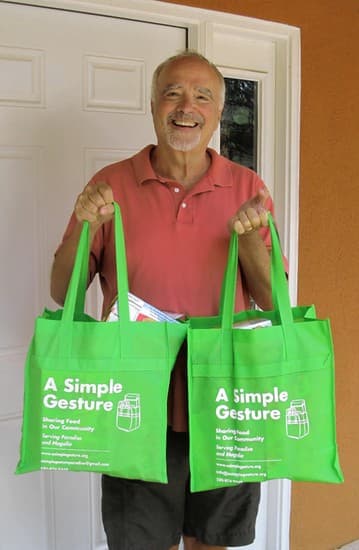
Miss one green-bag pickup, and the problem is not just one porch. It can ripple through pantry deliveries, donor trust and the volunteer schedule that keeps A Simple Gesture’s recovery model moving.
That strain is growing as higher food prices and rising unemployment since 2022 push more Contra Costa County neighbors toward food banks already dependent on donations and government grants. When funding is uncertain and demand keeps climbing, the work shifts even more heavily onto volunteer coordination, route reliability and the people who keep drivers, donors and pantry partners aligned.
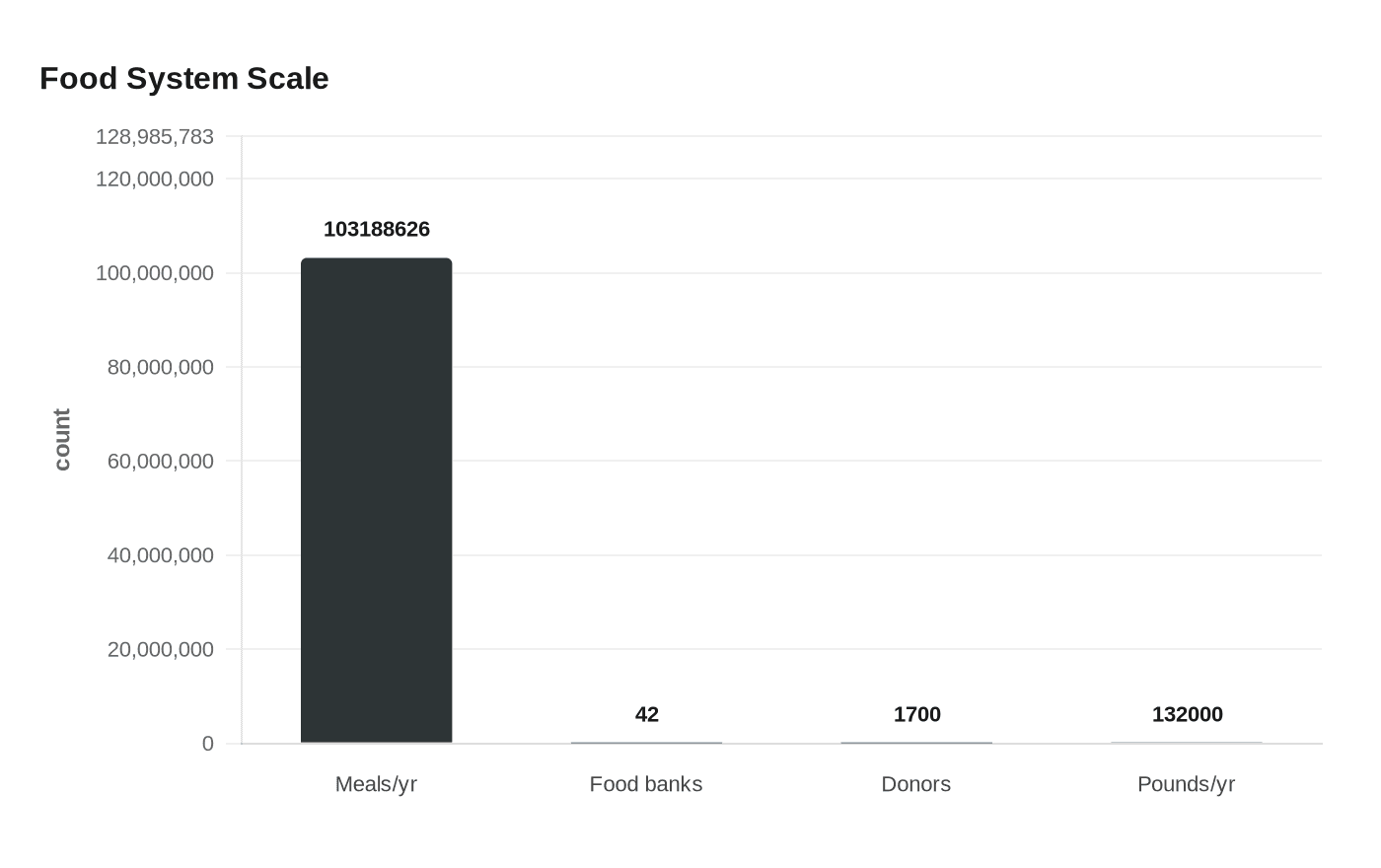
The scale is large enough that even small disruptions matter. The Food Bank of Contra Costa and Solano, founded in 1975, says it distributes 103,188,626 meals a year, and Feeding America estimates that 1 in 8 people in its service area face hunger. Across California, the California Association of Food Banks says it works with 42 food banks and warns that more than one in five households face the stress and health consequences of food insecurity.
That broader pressure is also showing up in the state budget picture. The association said Governor Gavin Newsom’s 2025-26 budget included $60 million for CalFood, a program it says helps food banks serve 6 million Californians every month. At the same time, California Employment Development Department data are released monthly, and outside labor tracking put Contra Costa County unemployment at 4.5% in December 2025, a reminder that local job losses can quickly feed demand at the pantry door.
For A Simple Gesture, the warning is practical. The organization says it started in 2011 in Paradise and has since been replicated in more than 70 chapters nationwide. Its Guilford County program, launched in 2015, now works with more than 1,700 food donors and collects more than 132,000 pounds of food each year through volunteer drivers who pick up donations at doorsteps, businesses, restaurants, caterers and school fridges.
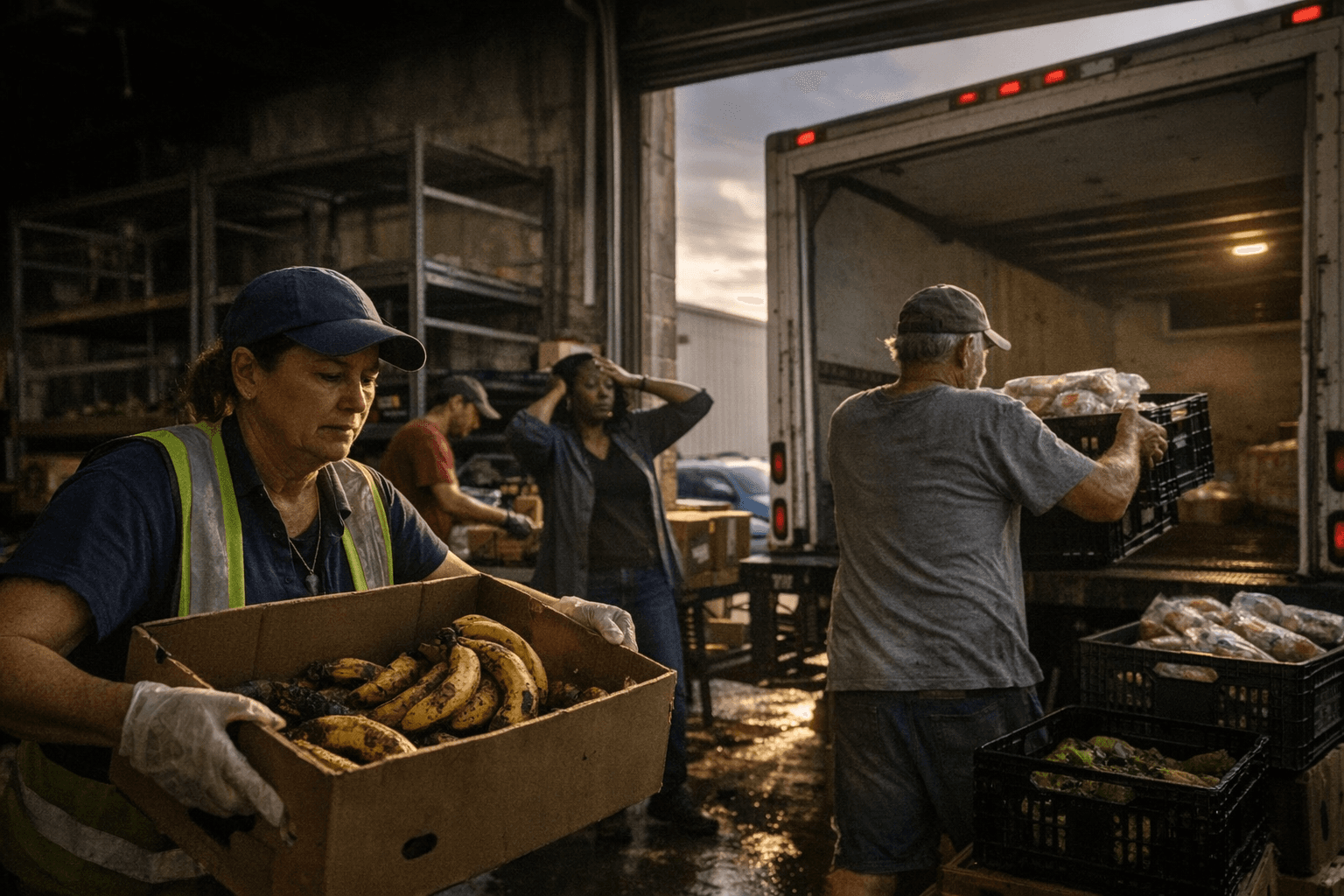
That model depends on a steady volunteer pipeline and simple expectations. When food insecurity rises and funding gets tighter, the hardest work is no longer only collecting food. It is keeping routes covered, pickup schedules dependable and volunteer roles clear enough that neighbors keep showing up week after week.
This article was produced by Prism’s automated news system from verified source data, official records, and press releases, then run through automated quality and moderation checks before publishing. The system is built and supervised by the people who set the standards it runs under. Read our full AI policy.
Did this article answer your question?