A Simple Gesture supervisors navigate FMLA leave, keeping food recovery running
FMLA leave is a legal right, but for A Simple Gesture it is also a continuity test: one absence can ripple through pickups and pantry partners.

FMLA is a leave law and an operations plan
At A Simple Gesture, a single leave request can do more than shuffle a calendar. If one coordinator is out, pickup routes can slip, pantry partners can lose a key contact, volunteer onboarding can stall, and donor follow-up can wait. That is why FMLA at a small food-recovery nonprofit is not just an HR formality, it is a test of whether the mission can keep moving when one person steps away.
The Family and Medical Leave Act gives eligible employees unpaid, job-protected leave for qualifying family and medical reasons, plus continuation of group health benefits under the same conditions as if they had never taken leave. When the leave ends, the employee must be restored to the same or a virtually identical position. The law became Public Law 103-3 on February 5, 1993, during Bill Clinton’s presidency, and the Department of Labor treats it as a core work-life balance protection.
Know the coverage rules before the leave request arrives
Supervisors need the basic federal rules cold, because eligibility determines what happens next. Under the Department of Labor’s standard, a covered employee generally must have worked for the employer for at least 12 months, logged at least 1,250 hours in the previous 12 months, and work at a site where the employer has at least 50 employees within 75 miles. Eligible workers can take up to 12 workweeks of FMLA leave in a 12-month period for qualifying family and medical reasons.
There is also military caregiver leave, which can extend to up to 26 workweeks in a single 12-month period for a covered servicemember. That distinction matters because a leave request is not always the same kind of leave, and supervisors need to recognize when the clock, documentation, and coverage plan may change. For a nonprofit team, the safest habit is to treat each request as a formal process, not an informal favor.
At a small nonprofit, leave planning has to be built into the work
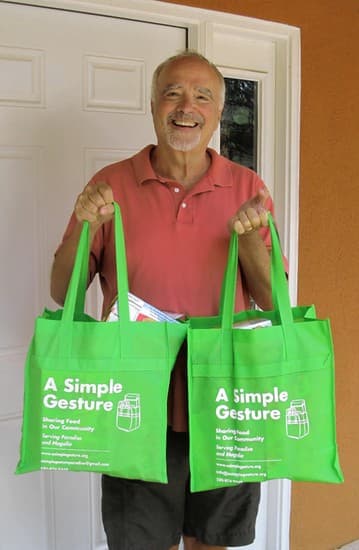
A Simple Gesture operates in Guilford County, partners with dozens of local food pantries, and says its food recovery program rescues surplus food from businesses and delivers it to vetted nonprofits. That kind of work is built on coordination, not slack. When a coordinator is out, someone else has to know which routes run when, which pantry partner needs an update, which donor needs follow-up, and which volunteers are already signed up.

That is why cross-training is not optional. Supervisors should make sure more than one person knows the pickup calendar, the pantry communication list, the volunteer intake process, and the basic route map for recurring donations. A Simple Gesture’s own volunteer requirements make the operational fragility clear: weekday drivers must be 18 or older, able to lift 20-pound boxes, and ready to use a smartphone and a personal car. If one person is the only one who can cover a route, the organization has built a single point of failure into a mission that depends on consistency.
A Greensboro mailing and physical address also signal that this is a grounded local operation, not a distant program with extra administrative cushion. In practice, that means leave coverage has to be local, documented, and easy for someone else to step into on short notice.
Handle the leave conversation with structure, not pressure
The Department of Labor’s employer guide matters because it treats the FMLA process as a sequence that starts when an employee requests leave and runs through the return to work. That structure is useful for supervisors who are tempted to improvise. The best leave conversations are predictable, documented, and calm: what kind of leave is being requested, what paperwork is needed, who will handle coverage, and how the employee will stay informed without being expected to remain on duty.
What supervisors should avoid is just as important. Do not treat FMLA leave like a performance problem. Do not ask an employee to keep checking in as if they were half-working from leave. Do not pressure someone to stay available because the team is small or the schedule is tight. That kind of informal pressure creates legal risk and morale problems at the same time, and in a mission-driven nonprofit, it also sends the wrong message about how the organization treats the people who keep the mission alive.
For small teams, consistency is the real safeguard. Use the same process every time, keep the same documentation, and make sure backup staff know where to find the information they need without having to chase it through one person’s inbox.
Plan the handoff before the absence creates a gap
The most practical FMLA lesson for A Simple Gesture is that coverage cannot start on the first day of leave. It has to be in place before then. Supervisors should map the work that cannot stop, identify who can cover each task, and make sure the handoff includes not only the route work but also the relationship work that keeps food moving. Pantry partners need to know who answers the phone. Volunteers need to know who confirms schedules. Donors need to know who follows up when a pickup changes.
This is also where a mission-first culture can trip itself up. In many nonprofits, people pride themselves on being indispensable. FMLA forces a healthier question: if one person is out for weeks, can the program still function without putting that person’s job at risk or asking the rest of the team to guess its way through the gap? The answer should be yes, and the only way to get there is with written procedures, shared contacts, and a real backup system.
Return to work should be a re-entry, not a scramble
Restoration to the same or a virtually identical position is one of the law’s most important protections, but supervisors should think beyond the legal minimum. When an employee returns, the goal is to bring them back into a functioning system, not dump a backlog on their desk and call it continuity. A clean return includes updated calendars, a clear handoff on what happened during the absence, and a realistic first week back.
For A Simple Gesture, that matters because the work is both logistical and relational. A route can be reassigned, but a broken handoff can strain trust with a pantry partner or confuse a donor who expected a callback. Good leave management protects the employee and protects the community-facing side of the work at the same time.
The larger lesson is simple: in a small food-recovery nonprofit, FMLA is not a side issue. It is a management discipline. The organizations that handle it well are the ones that plan for leave the same way they plan for pickups, with clear roles, shared systems, and enough backup to keep food, and the people doing the work, from falling through the cracks.
This article was produced by Prism’s automated news system from verified source data, official records, and press releases, then run through automated quality and moderation checks before publishing. The system is built and supervised by the people who set the standards it runs under. Read our full AI policy.
Did this article answer your question?