Caterpillar boosts volunteer engagement with rewards, matching donations, and meal impact
Caterpillar’s volunteer match turned 10 service hours into $100 and helped fuel more than 3.5 million meals, a retention model food groups can copy.
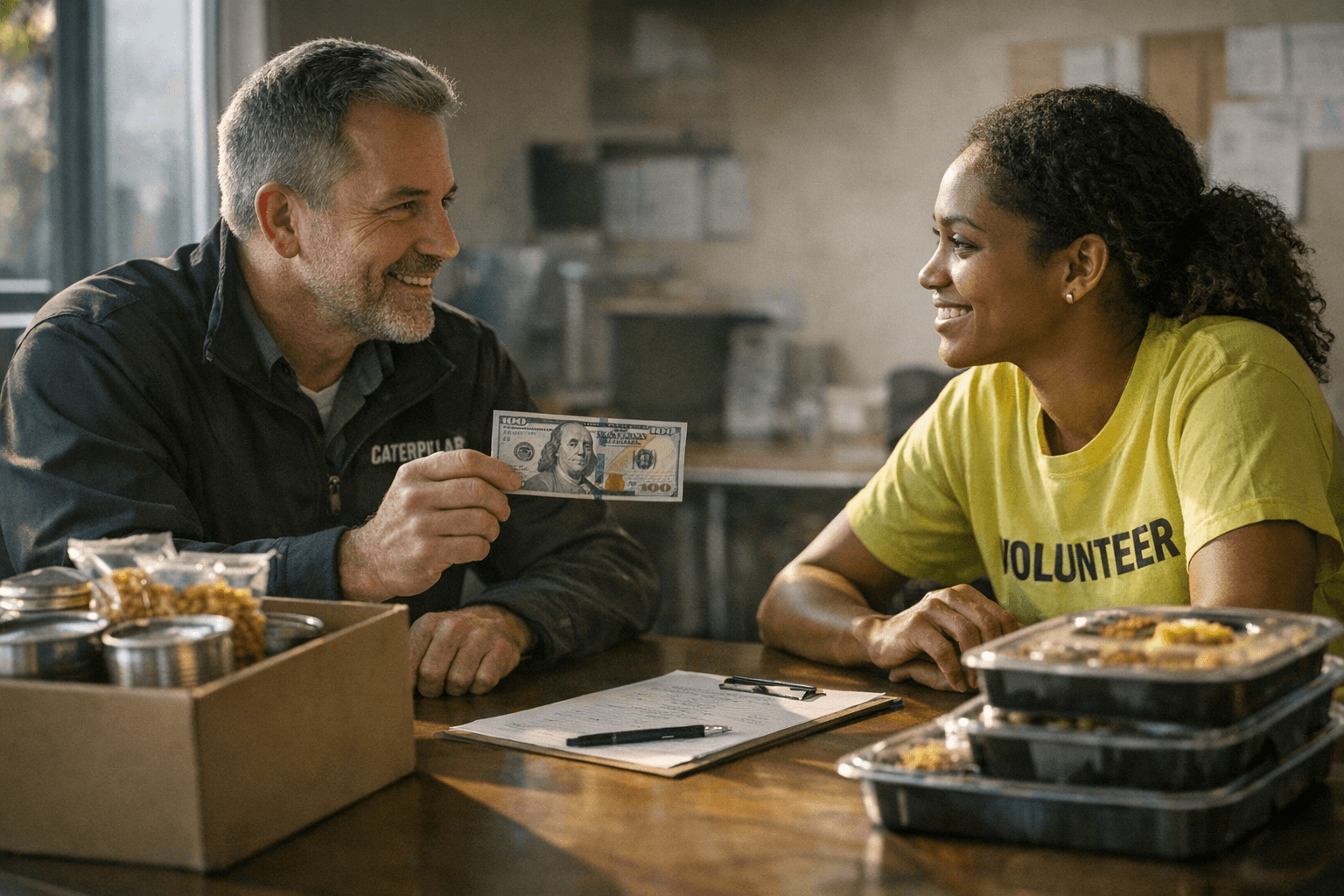
Caterpillar’s volunteer program showed how food organizations can turn appreciation into capacity. In Peoria, volunteers were greeted with free meals and shirts, while the company’s Volunteer Service Match Program converted service into cash support, adding $100 for every 10 hours of volunteer work.
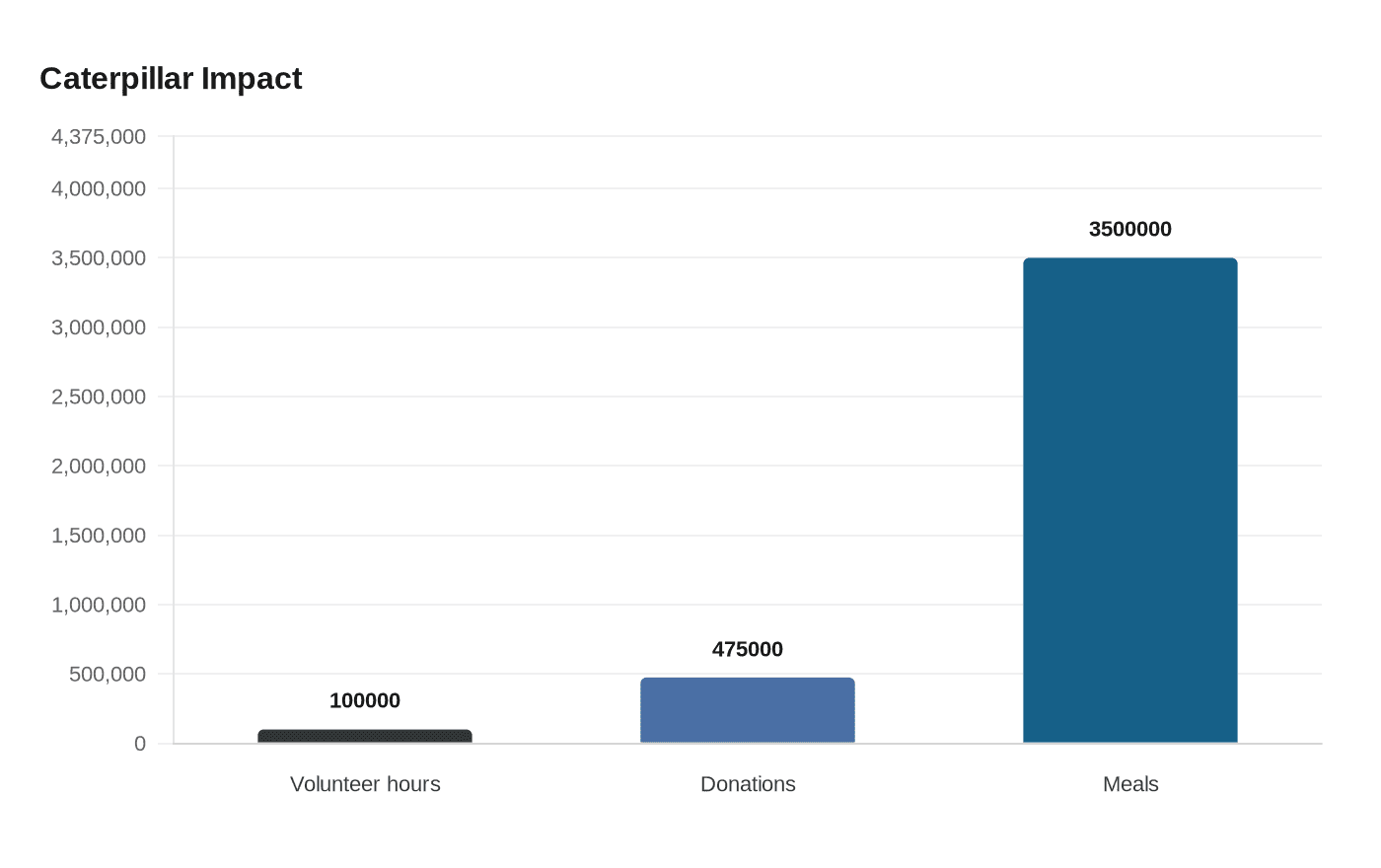
The scale was notable. Caterpillar said it logged more than 100,000 volunteer hours globally in 2025 and contributed more than $475,000 to volunteer organizations. A large share of the local hours went to Midwest Food Bank, which said the partnership helped it provide more than 3.5 million meals to families around the world.
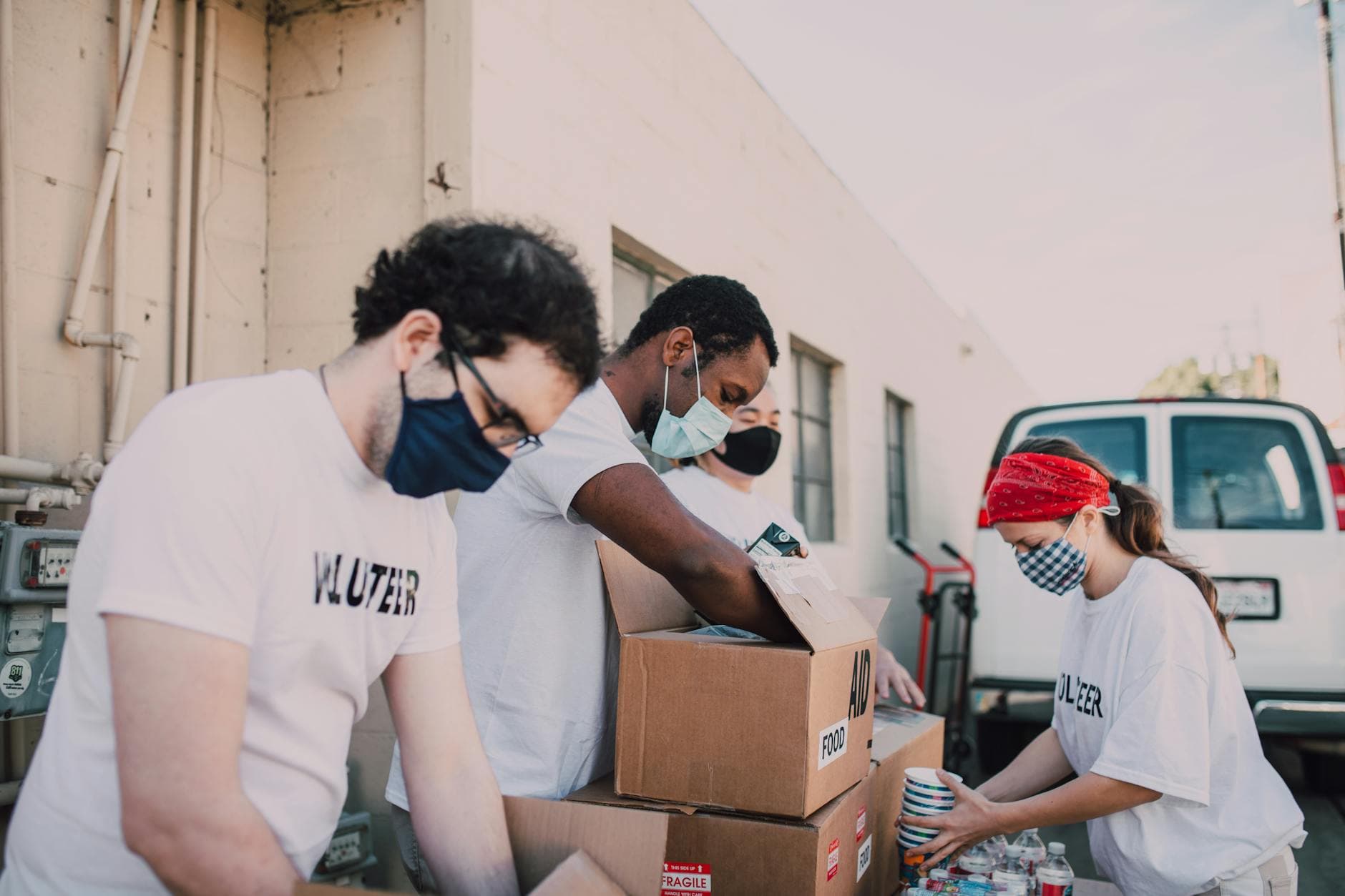
For an operation like A Simple Gesture, that is more than a feel-good gesture. It is a retention tool. Doorstep food recovery depends on volunteers who keep showing up, not just once but week after week, because missed shifts can ripple through route coverage and leave neighborhoods uncovered. Recognition, small perks and a visible link between service and outcome can make the work feel worth repeating, especially when volunteers can see that their time is translating into a measurable result.
The Caterpillar model also showed how employer support can reinforce a nonprofit’s day-to-day work instead of sitting apart from it. Matching volunteer hours to dollars gives a company a direct way to fund the same organization its employees are serving, which can deepen loyalty on both sides. In practice, that means a volunteer event is not just a one-off gathering. It becomes part of the operating system that helps a pantry partner or food bank plan staffing, sustain relationships and keep food moving.
That matters for A Simple Gesture’s green bag pickups and pantry network, where reliability is everything. When volunteers feel recognized, and when their effort is tied to concrete output, they are more likely to stay engaged long enough to learn routes, avoid no-shows and make neighborhood collection steadier over time. The Caterpillar example suggested that food organizations do not just need more volunteers. They need systems that make volunteers want to come back.
Know something we missed? Have a correction or additional information?
Submit a Tip