College food pantries lead food access innovation with digital convenience
Campus pantries are proving that online ordering, scheduled pickups, and lockers can make food access faster, calmer, and less stigmatized.
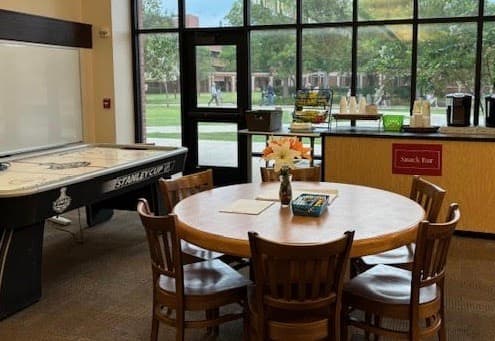
The most revealing sign of how college food pantries have changed is not a bigger shelf or a longer pantry line. It is the student who can order food online, pick a pickup window, and collect groceries from a refrigerated locker or a designated campus space without turning the whole errand into a public event. That kind of low-friction access is now shaping the fastest-moving corner of food relief in the United States, and it offers a practical playbook for A Simple Gesture, employers, and community partners that want food access to feel simple, dignified, and reliable.
A campus model built around frictionless access
College pantries have grown from 88 in 2012 to more than 800 by 2022, a jump that matches broader reporting showing the number of campus pantries in the United States has ballooned from about 80 to around 800 in roughly a decade. The College and University Food Bank Alliance, founded in 2012, now counts more than 800 member organizations, which shows how quickly the campus basic-needs infrastructure has expanded from a niche service into a national network.
That scale matters because the demand behind it is not marginal. Recent estimates place food insecurity among postsecondary students as high as 45 percent. Trellis research surveying more than 700,000 students found the same rate of food insecurity, underscoring that these programs are not serving a tiny edge case. They are becoming an operating necessity on campuses across the United States.
Why students use the systems that feel easiest
The clearest lesson from campus pantries is that convenience is not a luxury feature. It is often the difference between use and nonuse. Recent studies of pantry nonusers found that social stigma, logistics, and a concern about taking resources from others all keep students away, even when help is available. That is why the most effective pantry designs reduce the number of steps between need and access.
The Temple University Hope Center for College, Community, and Justice ran the first national survey of campus food pantries, and 262 institutions participated. Of those, 217 operated pantries. Most had designated spaces on campus, most served only the on-campus community, and only 5 percent required proof of financial need. That last detail is telling. Campuses that remove documentation hurdles are not lowering standards, they are removing a barrier that can delay help and deepen shame.

Campus pantries have also leaned into accessibility, sustainability practices, and efforts to de-stigmatize hunger relief. In practice, that can mean scheduled pickups instead of open-ended walk-ins, online ordering instead of in-person intake, and better inventory control so the right items are actually available when someone arrives. For a workplace or neighborhood nonprofit, that is the operational lesson: reduce hesitation, reduce waiting, and make the process feel orderly enough that people come back.
What the data says about need beyond the food shelf
Food insecurity is not just about empty cabinets. The campus research links it to academic and health outcomes that reach far beyond a missed meal. One cited study found that food-insecure students were 43 percent less likely to graduate than food-secure peers. Another line of research tied to Swipe Out Hunger found that 45 percent of food-insecure students were likely experiencing major depressive disorder at the time of the survey. In the same research, anxiety was reported by 57 percent of students with low or very low food security, compared with 33 percent of food-secure peers.
That is why the campus pantry story is really a retention story, a mental-health story, and an institutional-responsibility story. If students cannot reliably eat, they are less likely to attend class consistently, stay focused, or move through school on schedule. The food pantry becomes part of the basic support system that keeps an institution functioning, just as a workplace meal program, a neighborhood pantry, or a volunteer food recovery network can keep people steady enough to show up for work.
What A Simple Gesture can borrow from campus operations
For A Simple Gesture, the campus model is useful not because it is flashy, but because it is disciplined. Green bag pickup routes already depend on coordination, timing, and trust. The college pantry playbook suggests that the next step is not necessarily bigger branding or more general messaging. It is tighter service design.
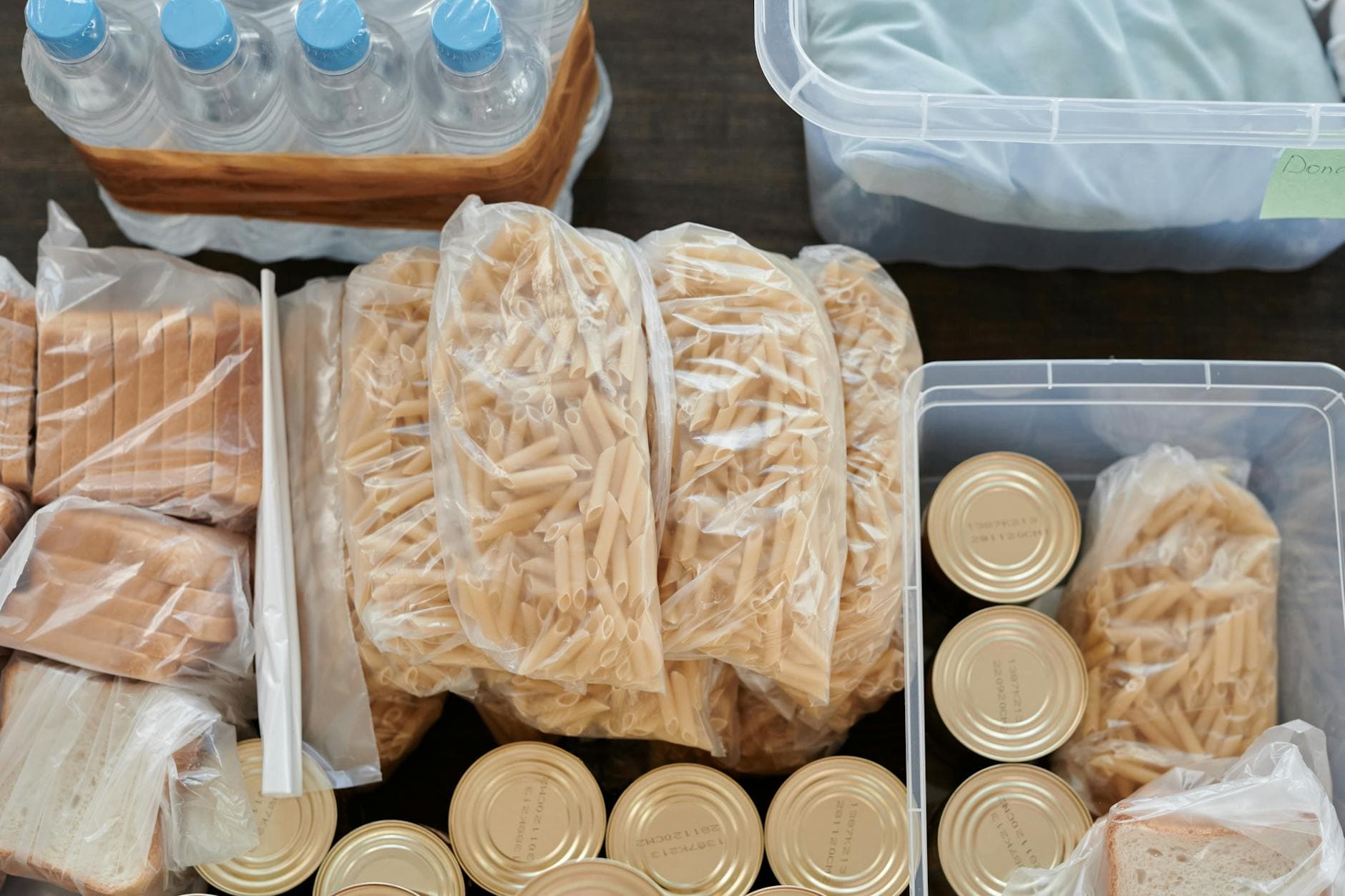
A few operational lessons stand out:
- Make access predictable. Scheduled pickups and clear windows reduce missed connections and confusion, whether the user is a student, a staff member, or a volunteer donor.
- Keep the process simple. The fewer steps between donation, sorting, and distribution, the easier it is for people to participate consistently.
- Use data to understand what is actually moving. Campus pantries are becoming lean, data-driven operations with high expectations for inventory accuracy and user experience. The same discipline helps a green bag network know which items are being donated, which are most useful, and where pickup routes are strongest.
- Protect dignity. Low-stigma access matters to users, but it also matters to volunteers and coordinators who want a process that feels respectful rather than performative.
- Design for flexibility. Small pantry operations can still be sophisticated if they focus on detail, accuracy, and service design rather than size alone.
That logic also applies to volunteer recruitment and retention. Volunteers are more likely to stay engaged when routes are clear, expectations are stable, and the work feels efficient. Confusion wastes time and creates friction at every level, from route coordination to pantry partnerships. A Simple Gesture’s community roots are a strength, but the campus model shows that community scale does not have to come at the expense of modern systems.
The funding gap behind the convenience
The campus pantry boom also exposes a hard reality: many of these programs are running on fragile budgets. Inside Higher Ed reported in 2025 that a majority of colleges now have a pantry or similar basic-needs support, but most are funded by philanthropy rather than the institution itself. That is the gap behind the polished pickup system and the carefully organized shelves.
For employers and community partners, the message is straightforward. Food access systems can look modern and user-friendly, but without stable backing they remain vulnerable. The colleges that have moved fastest are the ones treating food relief as part of the institution’s core operating responsibility, not a side project. That is the standard neighborhood programs are being measured against now, whether they serve students, staff, or families in the wider community.
The campus pantry has become a useful test case for what food access looks like when an organization takes convenience, dignity, and logistics seriously. The surprise is not that students want easier access. The surprise is how much operational intelligence is required to make food help feel effortless.
This article was produced by Prism’s automated news system from verified source data, official records, and press releases, then run through automated quality and moderation checks before publishing. The system is built and supervised by the people who set the standards it runs under. Read our full AI policy.
Did this article answer your question?