Digital food cards help food banks expand access and dignity
Digital food cards give food banks a faster, less stigmatizing way to meet need, and they may be the clearest upgrade for families who cannot wait for a box.
Digital food cards are pushing hunger relief toward a simpler test of service: can a family get the right food quickly, privately and without extra friction? For A Simple Gesture, that question matters because doorstep green bag pickups and pantry partnerships solve a lot, but not every gap between donations, inventory and the moment a household needs help.
Why digital cards matter
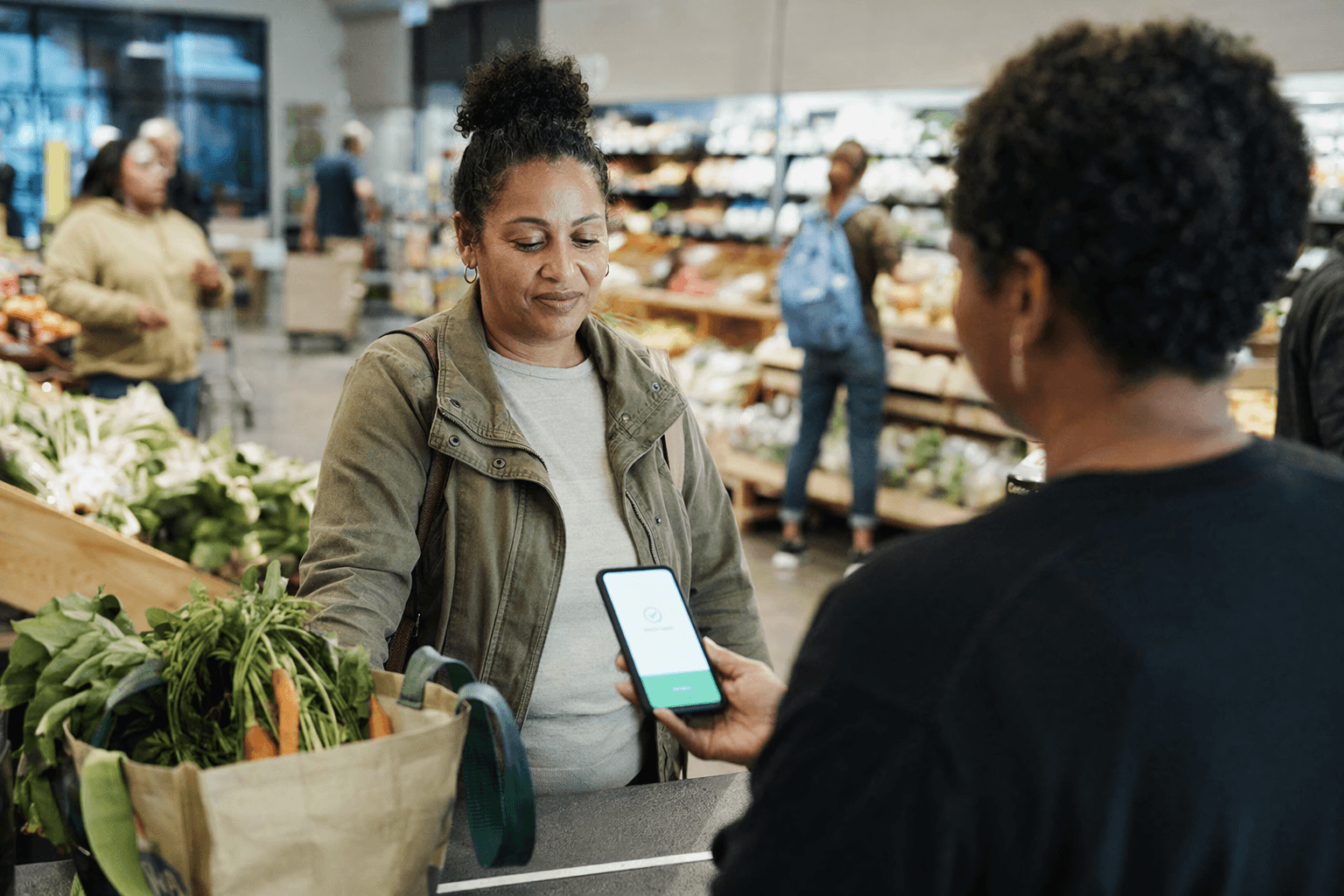
The appeal is straightforward. Digital food cards can be sent by text or email, then used at participating retailers to buy grocery and produce items. That makes them useful when a family cannot reach a food bank site, when a pantry is temporarily out of a needed item, or when an organization has to move help quickly without the overhead of paper vouchers.
They also change the feel of the transaction. Instead of receiving a paper coupon that marks someone as separate from ordinary shoppers, people can choose food in a regular retail setting. That choice is not cosmetic. It gives households more control over what fits their diet, schedule and kitchen, while preserving a sense of normalcy that can be missing in traditional distribution.
For multilingual communities, the model is more practical too. Digital food card programs are available in fourteen languages, which matters for organizations that serve families whose first language is not English and who may already face barriers to asking for help.
What it means for day-to-day operations
For coordinators, digital cards are not just a client-experience upgrade. They can also reduce administrative tasks and overhead costs. That matters in food recovery work, where staff and volunteers already juggle route coordination, pantry schedules, donation quality, volunteer recruitment and the constant problem of uneven stock.
A system built around doorstep pickups and green bags still depends on physical movement: drivers, route mapping, storage space, sorting and delivery to pantry partners. Digital support tools can sit beside that network and fill in the cracks. They are useful for emergencies, for days when a pantry runs short on a specific item, and for households that need help faster than a traditional distribution cycle can move.
That does not replace the labor of food recovery. It changes where that labor goes. Instead of printing and tracking vouchers or arranging another trip across town, staff can direct help electronically and keep the physical distribution side focused on what it does best: collecting, sorting and moving food already in the pipeline.
The Capital Area Food Bank example
Capital Area Food Bank has made one of the clearest uses of grocery gift cards in the region’s hunger response. The food bank says it works with five colleges: Northern Virginia Community College, Montgomery College, Prince George’s Community College, George Mason University and the University of the District of Columbia. Through those Food + Education pilots, students receive grocery store gift cards they can use at stores convenient for them, and the food bank says that support continues through graduation.
That detail matters because it shows how the model can serve people who do not fit the classic pantry line. Students facing food insecurity often need help that matches class schedules, commute patterns and family obligations. Capital Area Food Bank says the program is designed to help students focus on their studies and improve educational outcomes, not just get by for a week.
A 2023 post from the food bank added another operational clue: students at Montgomery College receive gift cards every other week. The food bank said the setup offers flexibility and reduces stigma, which is exactly the kind of service-design question that food recovery groups should be asking when they evaluate new tools.
The human stakes are easy to miss until you see them named. In October 2024, Capital Area Food Bank described its grocery gift card program as a "lifeline" for Daysi Oscategui, a Northern Virginia Community College student and single mother of three. That is the kind of case that shows why choice and speed matter as much as volume. A family does not just need calories. It needs food that fits a child care schedule, a transit route and the reality of an empty kitchen.
Why dignity is the operational issue
Food banking has long been measured in pounds moved and meals delivered, but the better question is whether the process respects the person receiving help. Food Bank News has described newer pantry models as moving away from one-size-fits-all distribution and toward systems that center the neighbor’s experience. Digital food cards fit that shift because they reduce stigma, preserve privacy and let people choose what they need.
That same logic is behind Plentiful, which says its platform is available in nine languages across the U.S. and is designed to preserve dignity and privacy. The common thread is not technology for its own sake. It is service design that assumes people want discretion, control and speed when they are asking for help.
For a network like A Simple Gesture, that is a reminder that service delivery is part of retention too. Volunteers and coordinators tend to stay engaged when the mission feels effective and humane. If the system gives pantries and partner agencies a way to meet urgent need without making households wait in line for a box that may not fit, that is an upgrade worth paying attention to.
What to watch next
The most useful innovations in hunger relief are likely to be the ones that make the whole system easier to use, not just easier to describe. That means tools that can work alongside green bag routes, pantry shelves and school-based partnerships, while handling edge cases that physical distribution often misses.
Capital Area Food Bank’s work with higher-education institutions across the Washington, DC metropolitan region points in that direction. At a 2025 University of Maryland case competition on food insecurity, the Smith School said it drew more than 100 students and AI prototypes into the conversation, a sign that colleges are treating basic-needs support as a serious student-success issue. The lesson for neighborhood food recovery is the same: the next improvement may not be a bigger warehouse or a more heroic volunteer drive. It may be a faster, quieter way to get the right food into the right hands with less stigma and more dignity.
Know something we missed? Have a correction or additional information?
Submit a Tip