Food bank delivers aid across Brantley County as wildfire rages
Brantley County families got food deliveries all week as the Highway 82 fire passed 22,500 acres and kept emergency crews on the move.
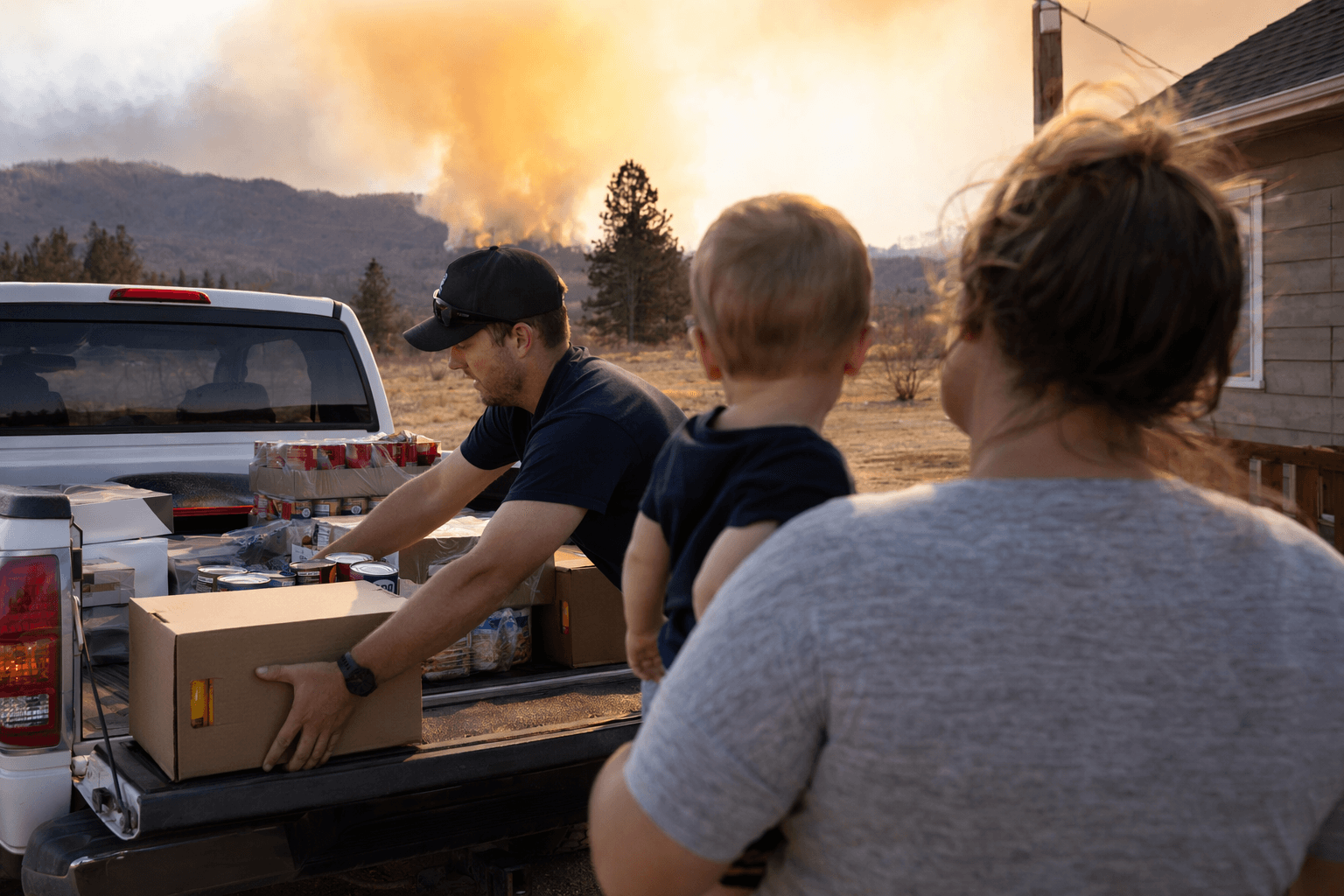
As the Highway 82 fire spread through Brantley County, Second Harvest of Coastal Georgia kept food moving into the recovery zone all week, giving evacuees and hard-hit households one less thing to worry about while roads, access points and daily routines were still unsettled. Jennifer Floyd, director of the Southwest Branch, said the food bank was distributing food across Brantley County and other nearby areas as residents tried to recover from the wildfire.
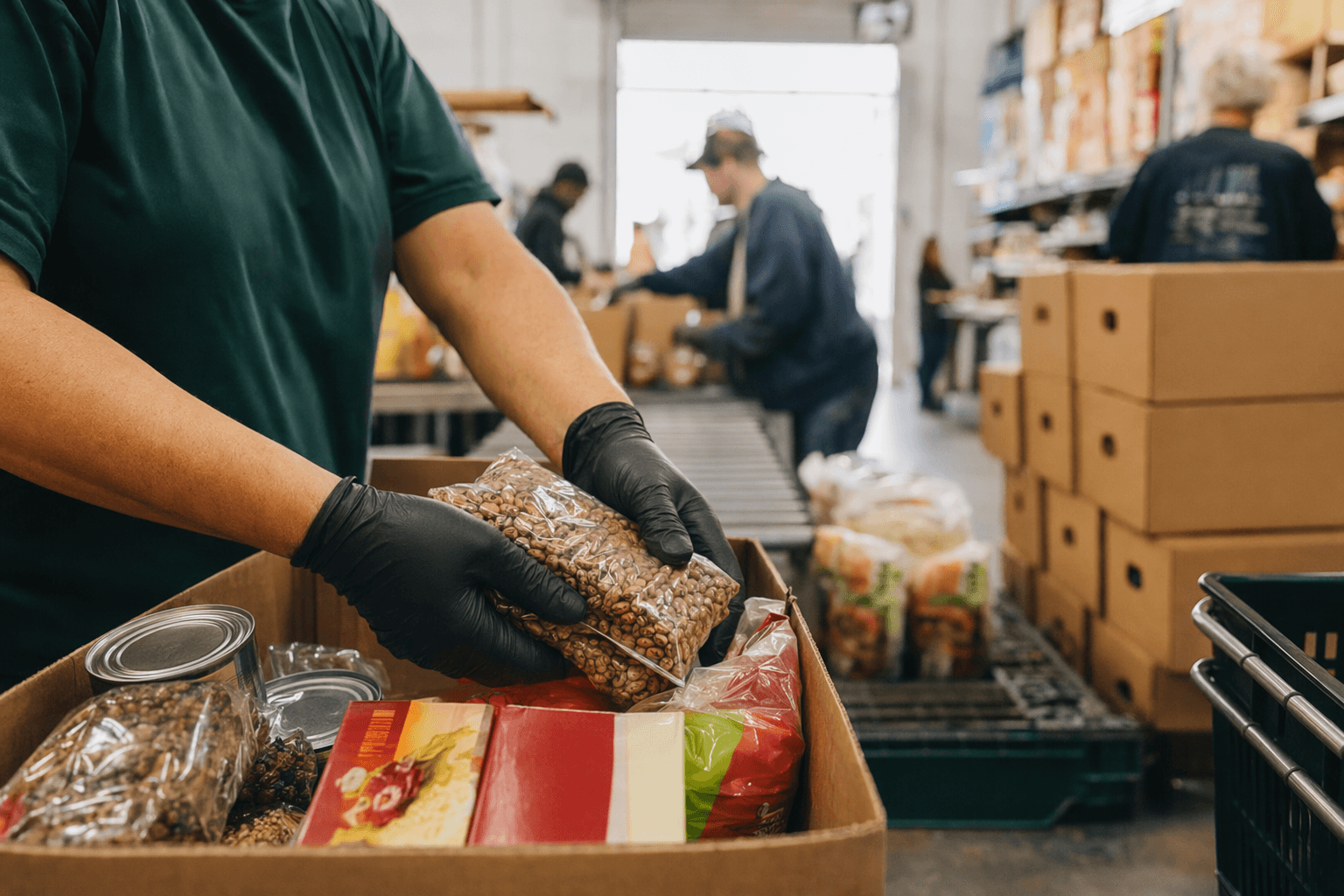
The response showed how quickly a food recovery network has to shift from routine pickups to emergency logistics. Second Harvest’s Southeast Branch serves Brantley, Camden, Charlton, Glynn, McIntosh and Wayne counties, works with roughly 78 agencies, and distributes more than 2.2 million pounds of food a year. Across Coastal Georgia, the food bank says it partners with 247 faith-based and nonprofit agencies. Its Mobile Food Pantry, established in 2007, was built to bring emergency food relief into rural communities where hunger help is harder to reach.
That kind of flexibility mattered as the fire kept changing the map. By May 3, the Brantley County fire had grown to more than 22,500 acres and was about 32% contained. Across South Georgia, the broader wildfire outbreak had burned more than 40,000 acres and destroyed more than 120 homes, making it the most destructive wildfire event in Georgia history. The Georgia National Guard sent additional aircraft to help suppress the blaze, while county emergency management offices and the Brantley County Sheriff’s Office remained part of the response as evacuations and access issues continued.
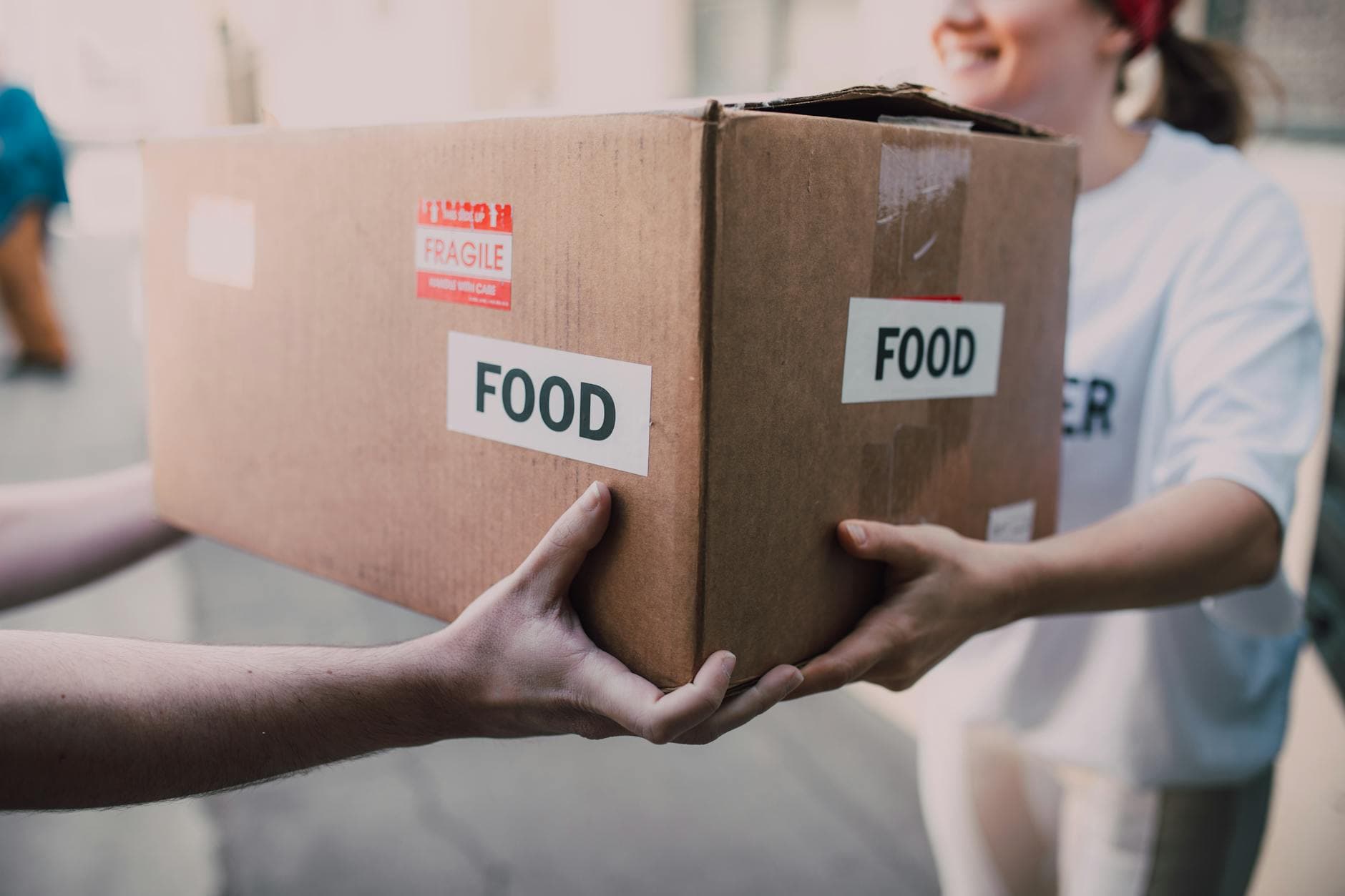
The need was not only immediate but structural. Feeding America’s county data puts the food insecurity rate in Second Harvest’s service area at 12.6% in 2020, or 114,760 food-insecure people. Second Harvest says it distributed 28,127,452 pounds of food across its 21-county service area in 2021, a scale that explains why the same trucks, volunteers, warehouse shelves and partner agencies that handle ordinary donations can become part of disaster response overnight. In wildfire country, food recovery is not an extra service on the sidelines; it is part of the infrastructure that helps a county keep functioning when everything else is under strain.
Know something we missed? Have a correction or additional information?
Submit a Tip