Food banks brace as SNAP enrollment drops by nearly 5 million
SNAP enrollment fell by 4.95 million, and Guilford County food rescue groups are bracing for more pickups, tighter inventory, and longer waits for pantry deliveries.
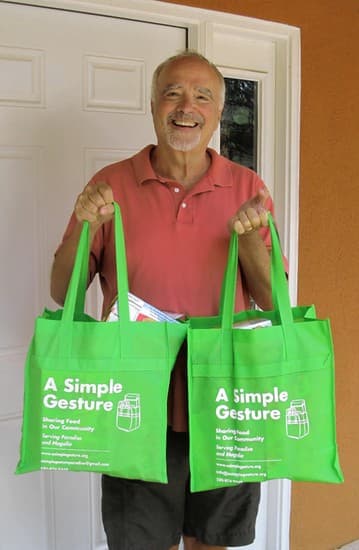
Food banks are already absorbing the first wave of pressure as SNAP rolls back, and for A Simple Gesture that means more strain on volunteer drivers, pantry deliveries, and the green-bag pickup routes that keep local shelves moving.
New USDA data showed SNAP enrollment fell from 42.8 million people in January 2025 to 37.8 million in February 2026, a drop of about 4.95 million. The decline followed the One Big Beautiful Bill Act of 2025, signed July 4, 2025, which changed SNAP eligibility, benefits, administrative cost sharing, work requirements, and non-citizen eligibility. USDA says it is still updating eligibility and work-requirement guidance as states work through the new rules.
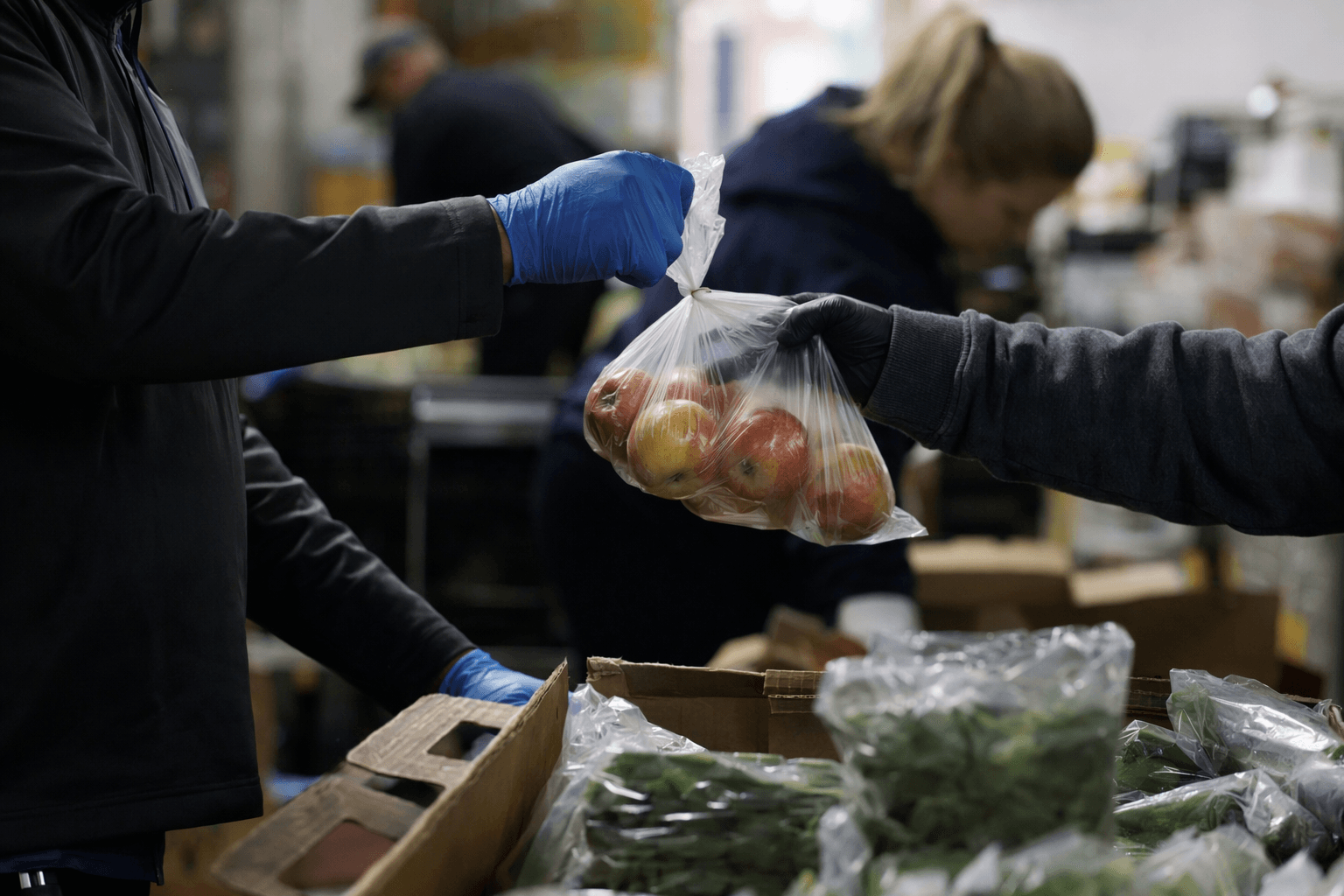
The cuts are landing on a charitable food system that was never built to replace federal nutrition aid at this scale. Feeding America says its network includes more than 250 food banks, more than 20 statewide food bank associations, more than 10 regional co-ops, and more than 60,000 agency partners, while SNAP provides nine meals for every one meal distributed by food banks. That gap is the operational problem now facing local pantries: when SNAP shrinks, households do not disappear from the line. They show up somewhere else.
National advocates say the drop has been broad and fast. The Center on Budget and Policy Priorities said participation fell by more than 3 million people, or 8 percent, between the law’s July 2025 enactment and January 2026, and by more than 4 million people, or 10 percent, over the prior year. The group said the decline hit every state and was at least 5 percent in 36 states, even as unemployment held near 4 percent. That suggests the caseload drop is being driven by policy, not just a falling need for aid.
In North Carolina, the timing is already affecting local households. The state Department of Health and Human Services says expanded work requirements took effect Dec. 1, 2025, and new non-citizen eligibility rules took effect Feb. 1, 2026, with county DSS offices screening recipients at recertification. In Guilford County, that kind of churn can quickly turn into more pantry visits, more emergency requests, and more pressure on the volunteers who keep pickups on schedule.
A Simple Gesture has spent the past decade building a local safety net around that kind of demand. Since 2015, the Guilford County nonprofit has used doorstep green-bag pickups and food recovery from grocery stores, restaurants, caterers, and corporate cafeterias to supply dozens of local food pantries. It says it always needs drivers and offers regular pickup dates across Guilford County and High Point in 2026. As SNAP participation falls, that system faces a simple operational reality: more bags to collect, more food to sort, and more inventory to move before pantry shelves run low.
This article was produced by Prism’s automated news system from verified source data, official records, and press releases, then run through automated quality and moderation checks before publishing. The system is built and supervised by the people who set the standards it runs under. Read our full AI policy.
Did this article answer your question?