Food banks face $1 billion federal cuts, scramble to replace local food
Federal food-program cuts are squeezing fresh-food supply lines, with Houston facing a 40% drop in TEFAP food and Guilford County groups bracing for the ripple effect.
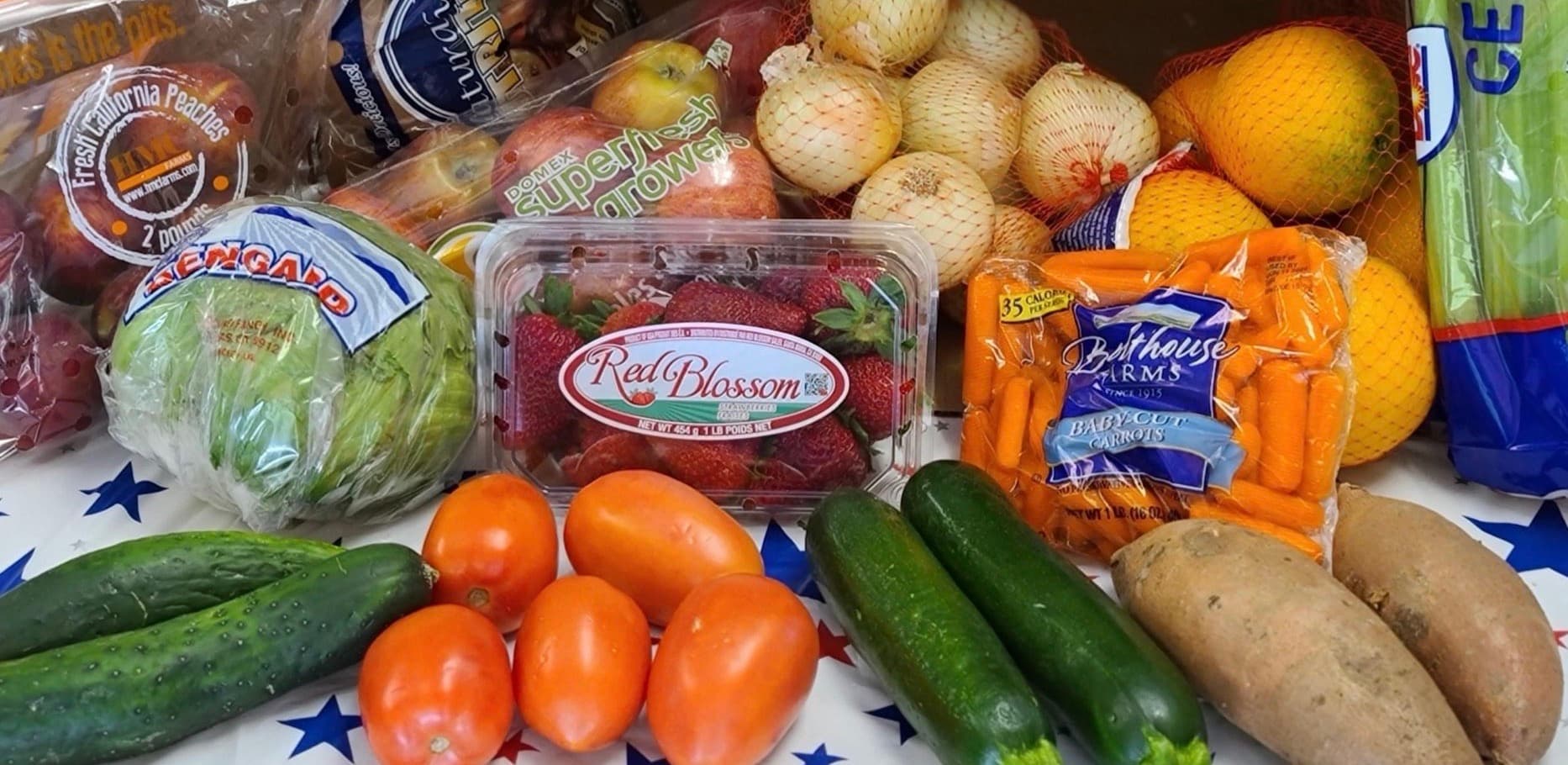
Food banks that had built their distribution plans around fresh produce, meat and dairy from local farms are now trying to fill a sudden gap after Washington pulled back about $1 billion in federal support. In Houston, the expected TEFAP allocation is set to fall by roughly 40%, a loss the food bank described as equal to about 40 tractor-trailer loads a month. In El Paso, 20% of agency partners and 20% of mobile pantries were already scheduled to stop receiving food.
The cutbacks reached beyond a single line item. In March 2025, the U.S. Department of Agriculture ended the Local Food Purchase Assistance Cooperative Agreement Program and the Local Food for Schools Cooperative Agreement Program, halting more than $1 billion in expected federal spending on food bought directly from local farms and ranchers. Food Bank News said food banks first learned that $500 million for LFPA would disappear, then later learned another $500 million tied to TEFAP-like funding through USDA’s Commodity Credit Corporation would also end. LFPA had been created in 2022 with $400 million over two years, then received another $500 million commitment in October 2024.
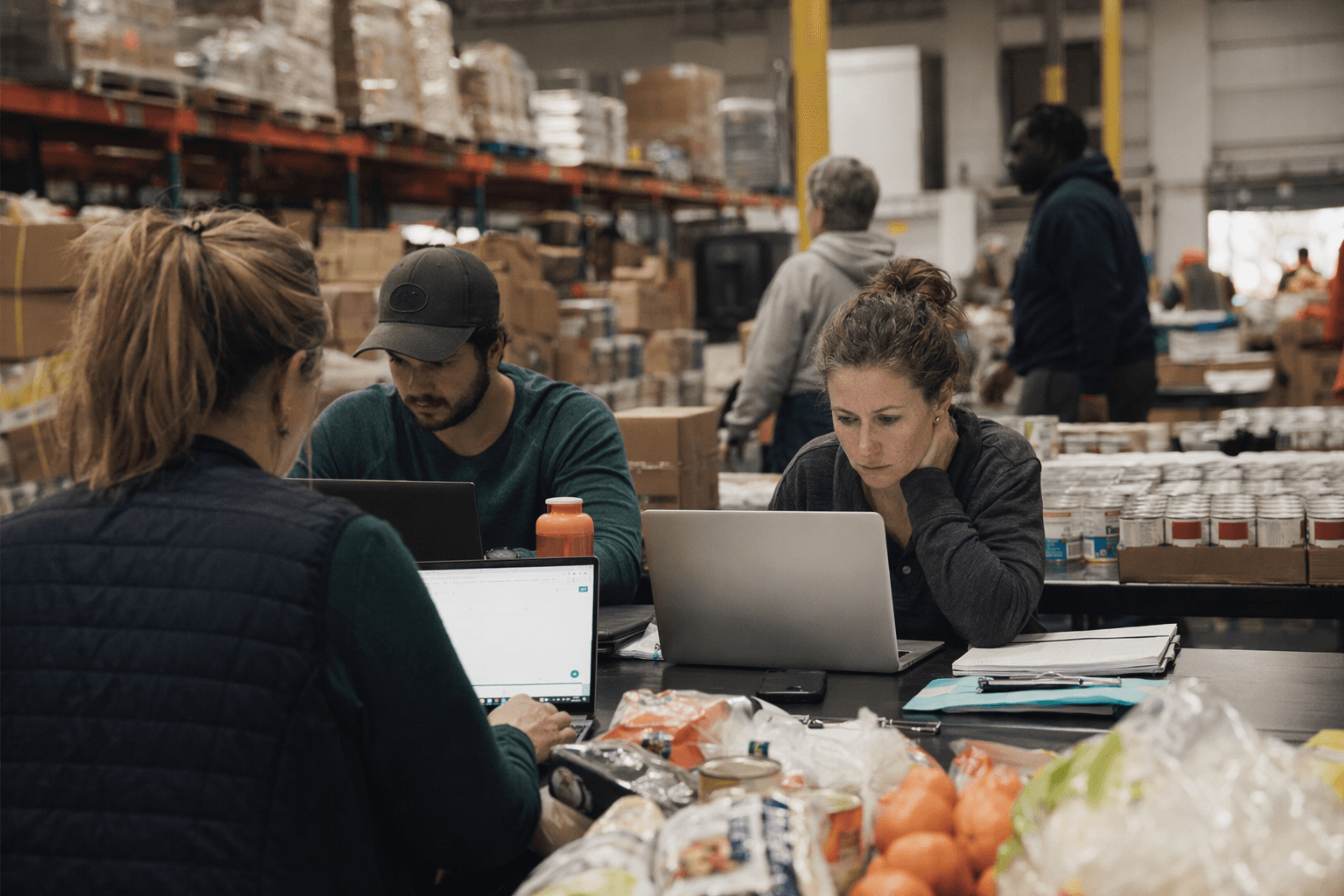
The loss is forcing food banks to rewrite day-to-day operations. Fresh items are among the most expensive foods to buy, so replacing them often means tighter sourcing choices, more pressure on local procurement staff and more complex coordination with regional vendors. Food Bank News said systems are responding by leaning harder on statewide coordination, local sourcing and fundraising. FoodCorps called the USDA decision to halt more than $1 billion in spending “deeply disappointing,” while growers in Northern California told KQED that the contracts had become a meaningful share of annual sales and that small farms were “absolutely vital.”
For A Simple Gesture, the squeeze lands close to home. The nonprofit has operated in Guilford County since 2015, works with more than 75 pantry partners, counts more than 3,900 recurring donors and about 200 monthly volunteers, and had delivered more than 8,000,000 child-size meals by December 2025. Its green-bag pickup routes and pantry partnerships depend on steady inventory and clear forecasting, so any broader food-bank shortage can ripple into what volunteers collect, how staff schedule pickups and how often partner pantries see fresh food in their deliveries.
The larger risk is that local networks will be asked to absorb federal cuts with donated food, volunteer labor and last-minute purchasing. That may keep meals moving for now, but it also makes resilience a staffing and logistics problem, not just a fundraising one.
This article was produced by Prism’s automated news system from verified source data, official records, and press releases, then run through automated quality and moderation checks before publishing. The system is built and supervised by the people who set the standards it runs under. Read our full AI policy.
Did this article answer your question?