SHRM toolkit helps employers build mentally healthy workplaces
SHRM’s toolkit turns mental health from a slogan into manager-level practice. For small employers, the first moves are training, accommodations, and a real crisis plan.
A mental-health plan is now a staffing plan
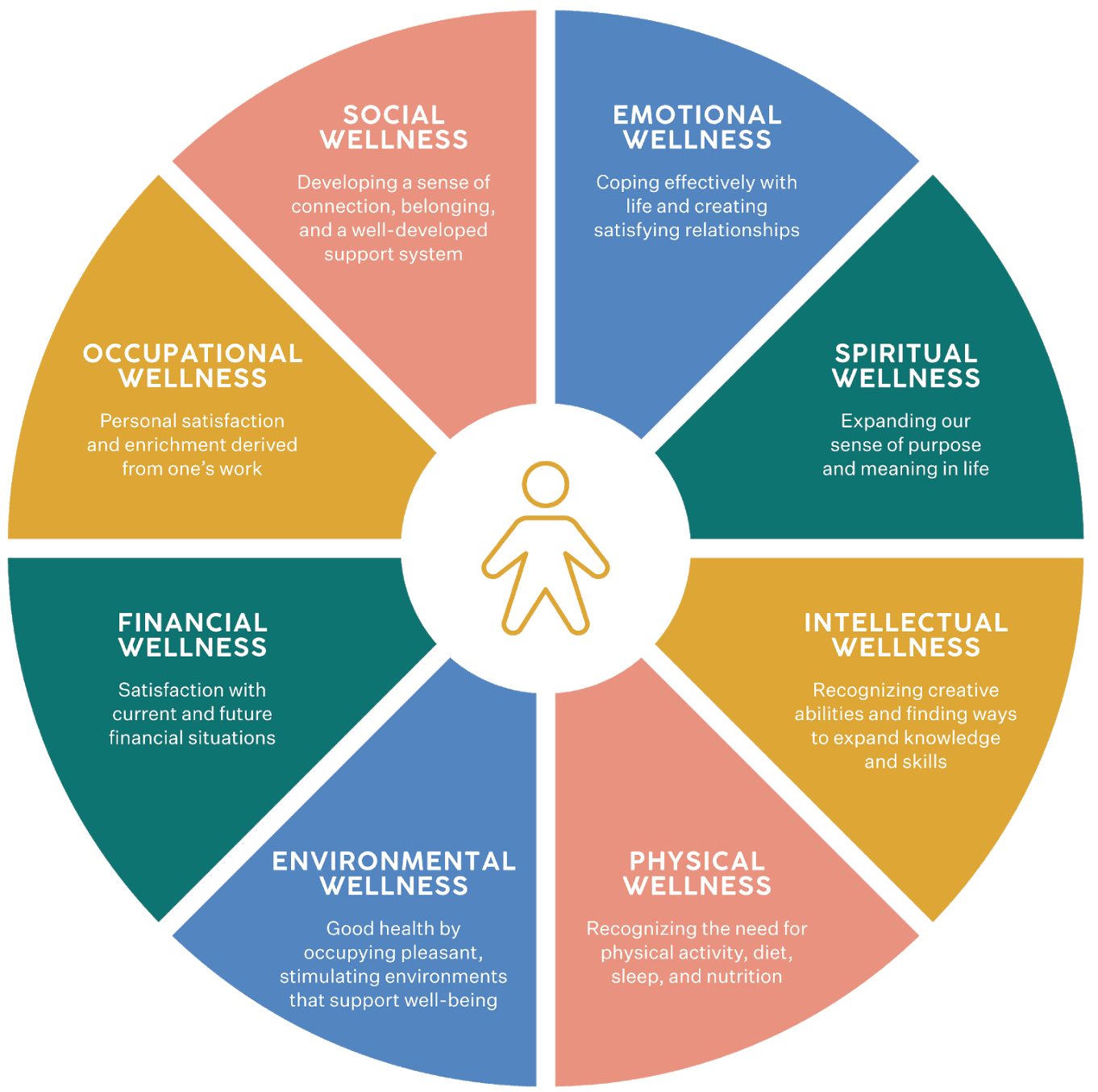
When 44% of U.S. workers say they are burned out, mental health stops being a side issue and starts looking like an operations problem. SHRM’s toolkit makes that point plainly: supporting employees is not just about goodwill, but about compliance, well-being, and keeping work moving when people are stretched thin.
That matters in a place like A Simple Gesture, where food recovery work is physically demanding, schedule-sensitive, and emotionally heavy. Staff and volunteers are coordinating donor calls, pickup routes, pantry relationships, and last-minute problems while also hearing directly about food insecurity. A workplace that treats mental health as optional will eventually feel it in absenteeism, turnover, and missed pickups.
What the toolkit is really asking managers to do
SHRM’s toolkit is built as a practical guide for organizations that want to support employees with expert guidance, tools, and tips. Its core message is that one-size-fits-all support does not work because workforces are diverse and people move along a continuum of mental health over time.
That is a useful correction for nonprofits that often default to vague encouragement. The better question is not whether a manager is “supportive” in the abstract. It is whether supervisors know what to do when someone is overloaded, struggling, or quietly edging toward burnout.
The broader data behind the toolkit explains why this matters. SHRM’s 2024 research found workers describing themselves as “used up” and emotionally drained. The U.S. Department of Health and Human Services has reported that 76% of U.S. workers experienced at least one symptom of a mental health condition, and 84% said workplace conditions had contributed to at least one challenge. The American Psychological Association found that 92% of workers say it is very or somewhat important to work for an organization that values emotional and psychological well-being.
The first moves a small employer can make this quarter
A small nonprofit does not need a large benefits budget to act on this. It needs procedures that make strain visible and manageable before it becomes a resignation, a sick day spiral, or a compliance issue.
Three changes matter most right away:
- Manager training. Supervisors need a script for spotting overwork, asking direct but respectful questions, and responding without judgment. That includes knowing when performance problems are really workload problems.
- Accommodation protocols. Employees should not have to improvise their way through a request for flexibility, time off, or a temporary change in duties. A clear process protects both the worker and the organization.
- Crisis-response procedures. If someone is in distress, every manager should know who to notify, what not to say, and how to move quickly to support the person while protecting privacy and safety.
SHRM’s toolkit gives employers a structure for those conversations, but the real test is whether a front-line supervisor can use it on a hard day, not just admire it in a policy binder.
Why burnout is a retention issue, not just a wellness issue
Burnout is expensive because it hits the places small employers can least afford to lose momentum: reliability, morale, and institutional memory. In a food-recovery operation, one overwhelmed coordinator can mean a route gets delayed, a pantry partner gets less predictable service, or a volunteer team starts to fray.

That is why the toolkit’s warning against a one-size-fits-all approach matters so much. People do not stay at the same level of stress all year. A volunteer coordinator may be steady for months and then suddenly hit a wall after a run of route changes, donor issues, or emergency pickups. Good management assumes those shifts will happen and plans for them.
The workplace conversation has also shifted because employees increasingly expect their employer to care about the whole person. The Surgeon General’s workplace mental health framework helped put psychologically healthy work on the modern policy agenda, and the message has only gotten louder since then.
What this looks like inside a food-recovery nonprofit
A Simple Gesture’s Guilford County operation gives a concrete picture of the strain. Volunteers are expected to lift 20-pound boxes, use a smartphone, drive a personal car, and maintain a flexible outlook. That is a demanding combination even before the emotional side of the work enters the picture.
For staff, the pressure shows up in route coordination, volunteer recruitment and retention, and maintaining relationships with pantry partners that depend on reliable deliveries. If a manager assumes everyone can absorb extra work without consequence, the organization quietly trains people to hide stress until it becomes a crisis.
A better model is built on rhythm and predictability. Rotate the most intense tasks so the same people are not always handling the heaviest emotional load. Normalize breaks after stressful shifts. Build short debriefs into the week after difficult events. And make it explicit that asking for help early is part of good performance, not a sign of failure.
That kind of structure helps retain the people who know the routes, understand the neighborhoods, and keep the food moving.
How supervisors can turn support into practice
The gap between corporate language and real life is usually widest at the supervisor level. A policy can say employees should feel supported; a manager decides whether that means flexible scheduling, a check-in, or a cold reminder to “keep up.”
- regular one-on-ones, not just annual reviews
- workload checks before deadlines pile up
- clear escalation paths when a person is overwhelmed
- permission to step back without stigma
- follow-up after a tough week, not just sympathy in the moment
The most effective workplaces make mental health visible in ordinary management routines:
NAMI’s 2024 Workplace Mental Health Poll adds an important caution: most Americans think it is appropriate to talk about mental health at work, but many still do not feel comfortable doing so. That means the burden cannot rest on employees to volunteer that they are struggling. Managers have to create conditions where the conversation can happen safely.
The bottom line for nonprofits and small employers
For a mission-driven workplace, mental health is not separate from service delivery. It is what keeps the service reliable. If a nonprofit wants volunteers to stay, coordinators to last, and partners to trust the operation, it needs rules that protect the people doing the work.
SHRM’s toolkit is useful because it pushes employers past vague support and toward actual management practice. In a small organization, that is the difference between hoping people will cope and building a workplace where they can.
This article was produced by Prism’s automated news system from verified source data, official records, and press releases, then run through automated quality and moderation checks before publishing. The system is built and supervised by the people who set the standards it runs under. Read our full AI policy.
Did this article answer your question?