Mid-Ohio Food Collective CEO Matt Habash to retire after 42 years
After 42 years, Matt Habash is handing off a food network that grew from 3 million pounds to more than 73 million. The board is launching a national search as funding cuts and expansion projects test continuity.
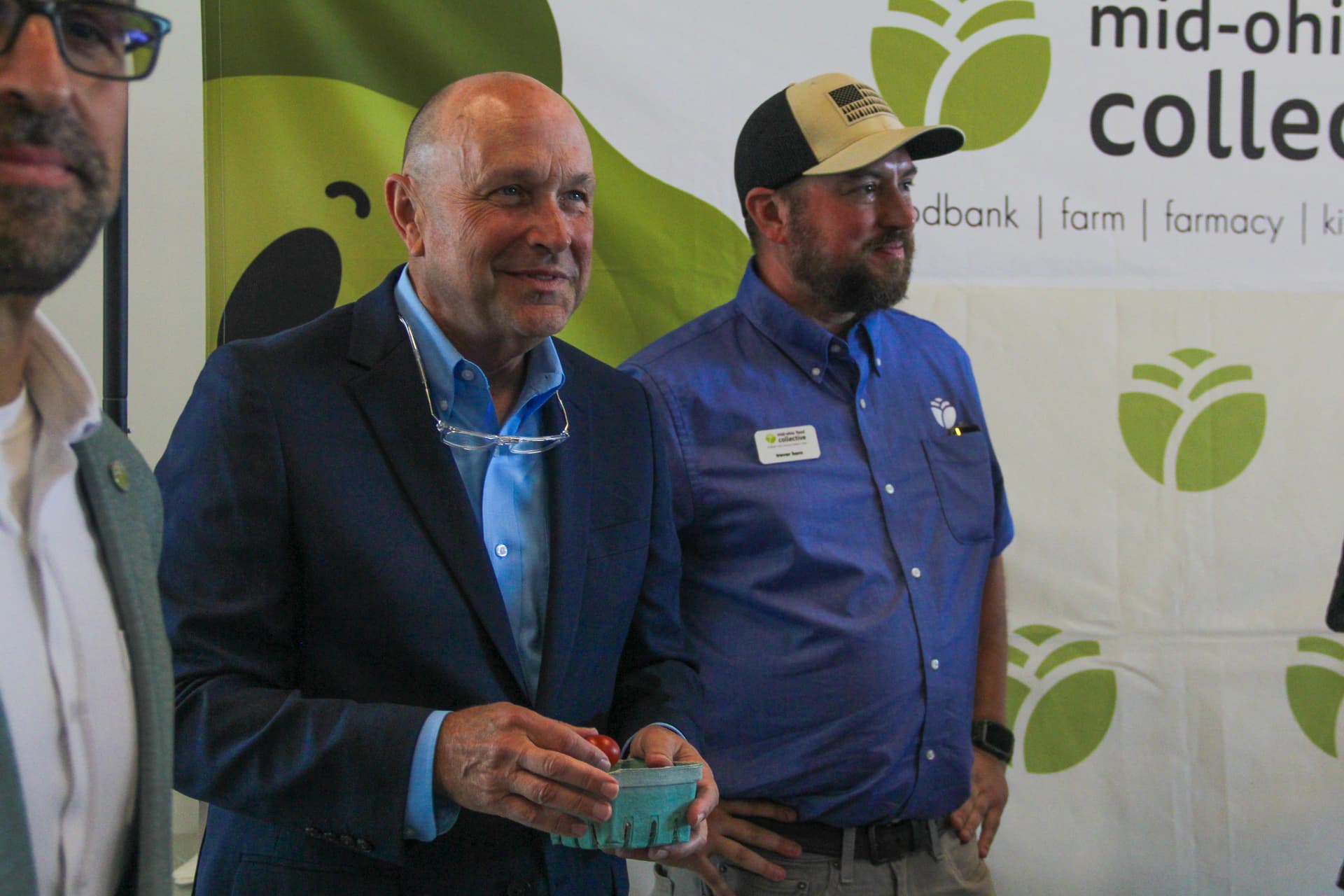
Mid-Ohio Food Collective is preparing for a rare leadership handoff at a moment when the organization is feeding more than 500,000 Ohioans and moving more than 73 million pounds of food a year. President and CEO Matt Habash plans to retire after 42 years of service, and the board of trustees is now leading a formal succession process meant to protect the systems that turned a local food bank into a regional hunger-relief and community-health operation.
Habash became executive director in 1984, when the organization distributed just 3 million pounds of grocery products that year. The collective, founded in 1980, now serves 20 counties in central and eastern Ohio and works through more than 600 agency programs and partners. In 2025 alone, it distributed more than 73 million pounds of fresh, packaged and prepared food, a scale that makes the transition about much more than replacing one executive.
The board has hired Kittleman & Associates, a nonprofit executive recruiting firm, to conduct a national search. Mid-Ohio Food Collective described the process as inclusive and transparent, a signal that it wants staff, partners and donors to see continuity rather than disruption. That matters for an organization whose daily work depends on fragile operating relationships, from pantry referrals and warehouse flow to volunteer schedules and food sourcing.
The next leader will inherit a broader mission than moving boxes. Mid-Ohio Food Collective has been building out assets that include its Foodbank, Farm, Farmacy, Kitchen and Market, part of a strategy that links food access with health outcomes. That approach is visible in the Eastland Prosperity Center on Refugee Road, a 67,000-square-foot project in southeast Columbus that will combine food access with city services and a health hub led in part by Ohio State. The site is expected to include primary care, dental, pharmacy, pediatrics, women’s health, behavioral health, sexual health, wellness and chronic disease prevention services.
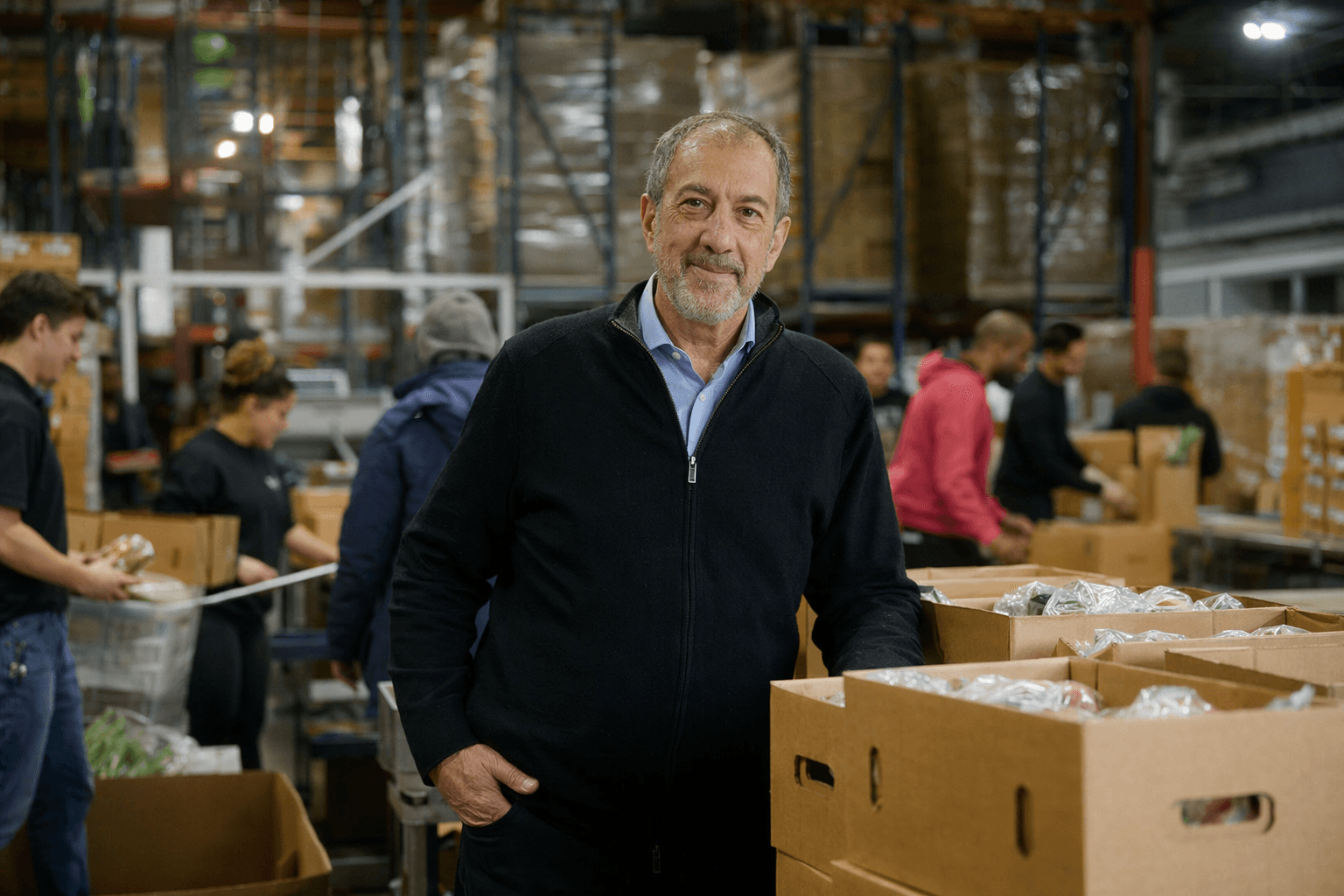
The financial and operational pressure on the system is also real. In October 2025, the collective said a $3 million state funding cut over two years would reduce food distribution by 5 million pounds in 2025 alone, equal to about 100 to 125 full trailer loads of fresh food not arriving. At the same time, the organization said it needs about 1,000 volunteers a week to keep operations moving, underscoring how dependent the network is on steady staffing, pickup logistics and pantry partnerships.
Habash’s departure also carries civic weight. Before leading the collective, he worked at St. Stephen’s Community House, and he served on Columbus City Council from 1993 to 2006, including as council president from 1999 to 2006. That long public record helps explain why the transition reaches beyond one nonprofit: the next CEO will be stepping into a regional institution that now sits at the intersection of food recovery, public health and local government investment.
Know something we missed? Have a correction or additional information?
Submit a Tip