Food Recovery Network hub offers practical guidance for food donation teams
A $1 donation can turn into more than $30 of food, but only if pickups, safety checks, and pantry handoffs stay tight.
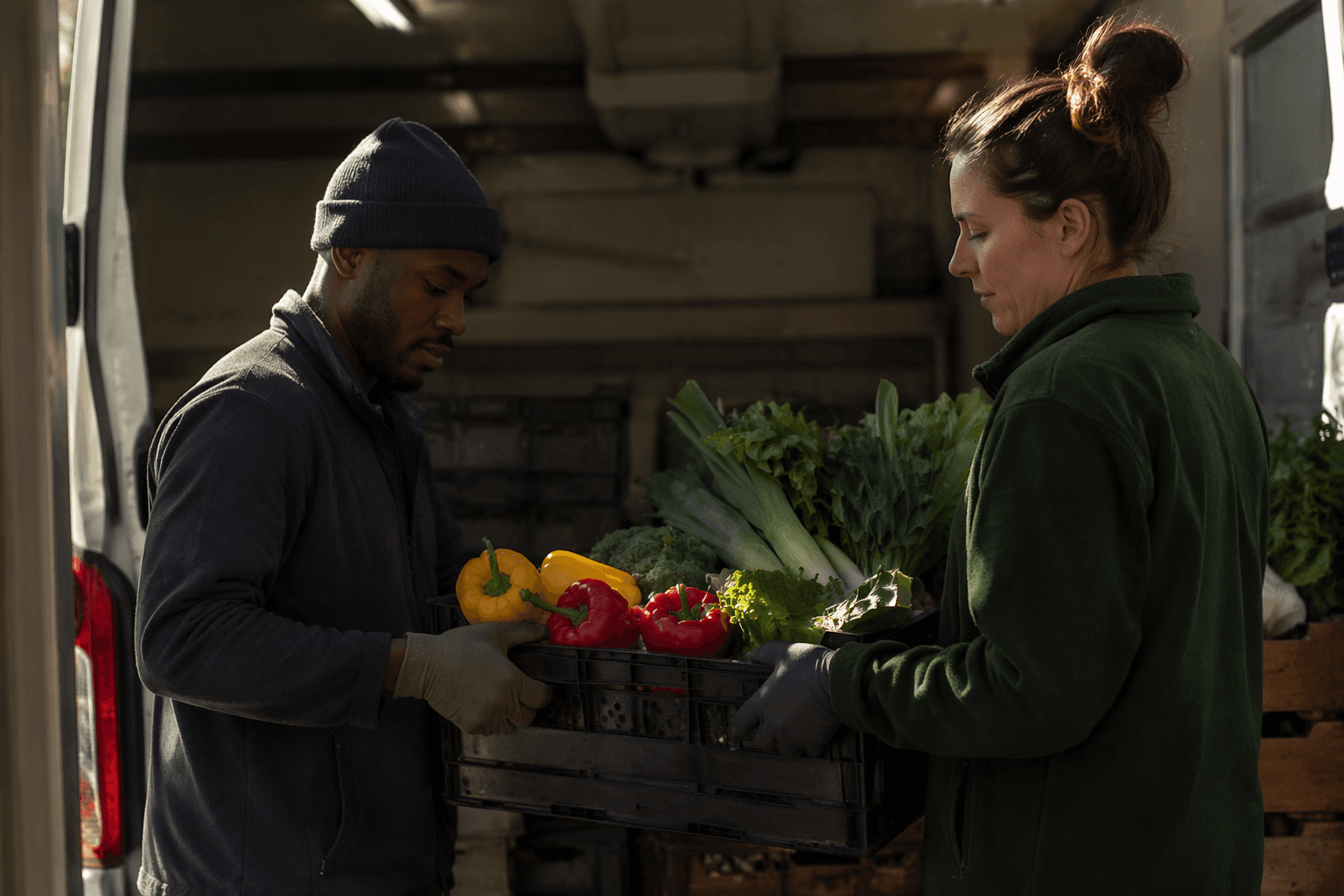
Food donation programs break down fastest at the seams: when donors are unsure what to set out, volunteers are unclear on their roles, or a pantry handoff is handled loosely. Food Recovery Network’s Resource Hub is built for exactly those pressure points, with toolkits and guides that focus on food rescue, recovery, donation, liability protection, donor responsibilities, and transportation logistics across the United States.
Start with the legal frame
The first operational win is not a route map or a bag drop. It is clarity on what the law protects and what it expects. USDA says the Bill Emerson Good Samaritan Food Donation Act, enacted in 1996, offers limited civil and criminal liability protection for good-faith donations of apparently wholesome food to nonprofits. USDA also says that protection can extend to food that does not meet all quality or labeling standards if the nonprofit is informed, which matters when a pickup team is deciding whether an item can still move safely through a donation chain.
ReFED adds that federal liability protection was updated again in 2022 through the Food Donation Improvement Act. For a neighborhood program like A Simple Gesture, that matters because volunteers and donors need a simple answer to a complicated question: what happens if the food is not packaged exactly as expected, but still needs to reach a pantry quickly and safely? A strong policy reference point helps coordinators answer that without turning every pickup into a one-off legal discussion.
Use donor guidance to standardize the handoff
Food Recovery Network’s Resource Hub is useful because it treats food rescue as a repeatable process, not a one-time favor. The hub says it offers information, toolkits, and guides to explain and encourage food rescue, recovery, and donation, and it points users toward material on food donor responsibilities and logistics. That is the part A Simple Gesture teams can borrow most directly for green bag routes and neighborhood pickups.
The practical value is in the expectations it sets before anyone leaves home. Donors need to know when to place the green bag out, what kinds of items belong in it, and who is responsible once the bag changes hands. Coordinators need a script that is consistent from one neighborhood to the next, so the pickup process does not depend on one experienced volunteer remembering a local exception. The more exact the handoff language, the fewer route delays and pantry surprises show up later in the day.
For A Simple Gesture, that translates into a simple operating rule: every household, route, and pantry partner should be working from the same playbook. A pickup system that includes clear donor instructions, a designated collection window, and a known final destination is easier to manage than one that relies on informal habits or volunteer memory.
Assign roles before the route starts
Food Recovery Network says consistent volunteers are essential to a functioning and sustainable chapter, and that is the part most local programs feel immediately. Food recovery depends on people who show up regularly enough to recognize patterns, spot problems early, and keep donors confident that their food will be picked up the same way each time. FRN says it unites more than 8,000 college students, food suppliers, farmers, and local businesses across the country, which shows how much of this work rests on organized routines rather than goodwill alone.
That is a useful lesson for A Simple Gesture’s volunteer recruitment and retention. A neighborhood pickup model works better when the work is divided clearly: one person manages donor communication, another handles route timing, another confirms pantry delivery, and another checks that the handoff stayed within program rules. If everyone assumes someone else has already made the call or logged the pickup, the route slows down and the pantry loses predictability.
The hub’s emphasis on responsibilities and expectations also helps staff avoid the common nonprofit mistake of treating volunteers as interchangeable. In practice, retention improves when volunteers know exactly what they own, how long the job takes, and where the food goes after collection. That kind of clarity matters just as much as recruitment, especially in a program that depends on recurring neighborhood participation.
Make food safety a requirement, not a reminder
Food Recovery Network is explicit that anyone handling food should complete food safety training, and it makes that easier by providing a food safety video, quiz, checklist, and food safety guidelines. That is the strongest clue in the hub for teams that need to keep pickups moving without cutting corners. Training is not an extra layer added after the route is designed. It is part of the route design itself.
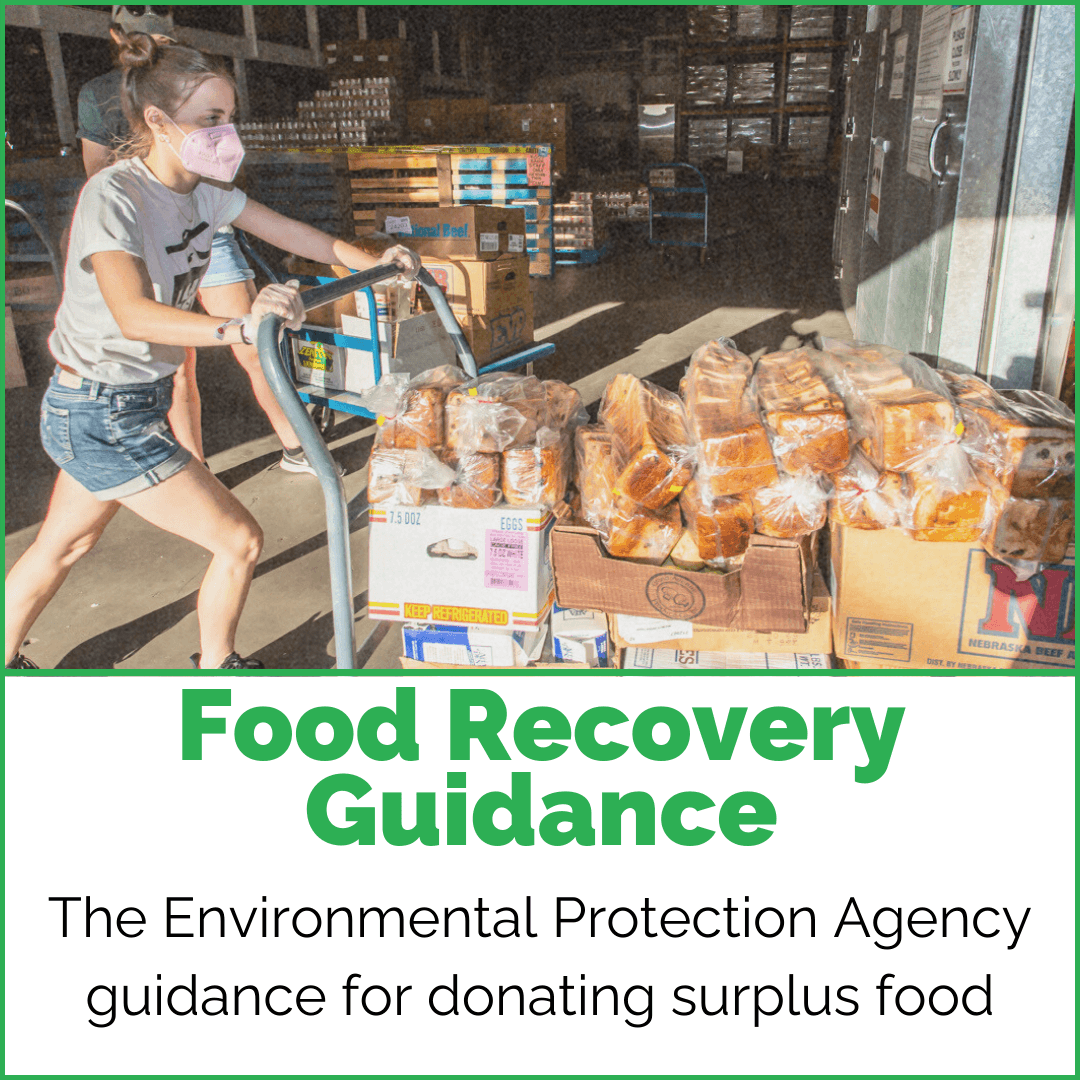
For A Simple Gesture, that means food safety should sit at the center of volunteer onboarding, not in a separate handout nobody revisits. The video and quiz give coordinators a way to confirm that volunteers have seen the basic rules before they go out on a recovery. The checklist and guidelines help turn those rules into a field tool, which is especially useful when a volunteer is deciding what to accept, what to flag, and what to leave for the pantry to review.
The point is to reduce avoidable mistakes at pickup and storage. When food is collected quickly but handled inconsistently, a program can lose trust even if the intent was good. A safety checklist gives staff and volunteers a common standard for what happens when the bag comes off the doorstep and before it reaches the pantry.
Why this model fits A Simple Gesture
A Simple Gesture’s Guilford County program says it has made donating food easy through convenient collection programs since 2015. It also says a $1 donation converts to more than $30 of food going to food banks and pantries, a number that only works when collection, transport, and partner delivery are tightly managed. The organization’s history page says the broader effort aims to add 900 new chapters by the end of 2035 and generate 450 million pounds of food for food-insecurity relief.
That scale makes the operational lessons from Food Recovery Network especially relevant. A national hub built around policy, safety, and logistics offers a model for how a neighborhood pickup program can stay consistent as it grows. A Simple Gesture - Reston already describes itself as a bi-monthly food collection program that delivers donated food directly to area pantries, which shows how a clear handoff structure can simplify the work for volunteers and partners alike.
The bigger lesson is that food recovery grows through systems, not slogans. Legal clarity reduces hesitation, donor guidance prevents confusion, volunteer structure protects reliability, and food safety training keeps the process credible. For a program built on doorstep donations and pantry partnerships, those are not background details. They are the operating conditions that decide whether the food reaches the right place on time.
This article was produced by Prism’s automated news system from verified source data, official records, and press releases, then run through automated quality and moderation checks before publishing. The system is built and supervised by the people who set the standards it runs under. Read our full AI policy.
Know something we missed? Have a correction or additional information?
Submit a Tip