USDA outlook shows grocery prices still squeezing household budgets
USDA said grocery prices were 3.1% higher in May, while A Simple Gesture had already helped deliver more than 8,000,000 child-size meals.
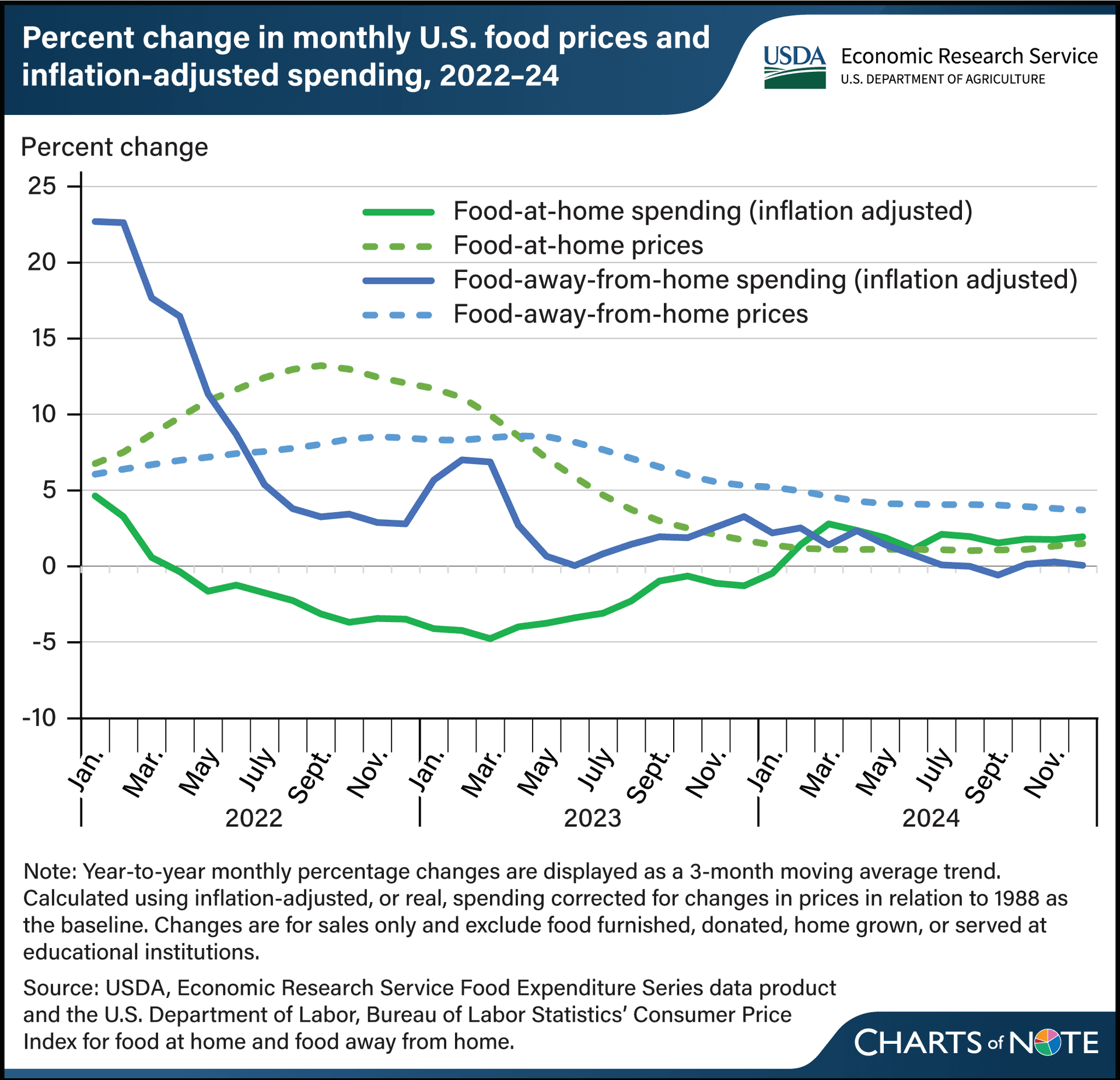
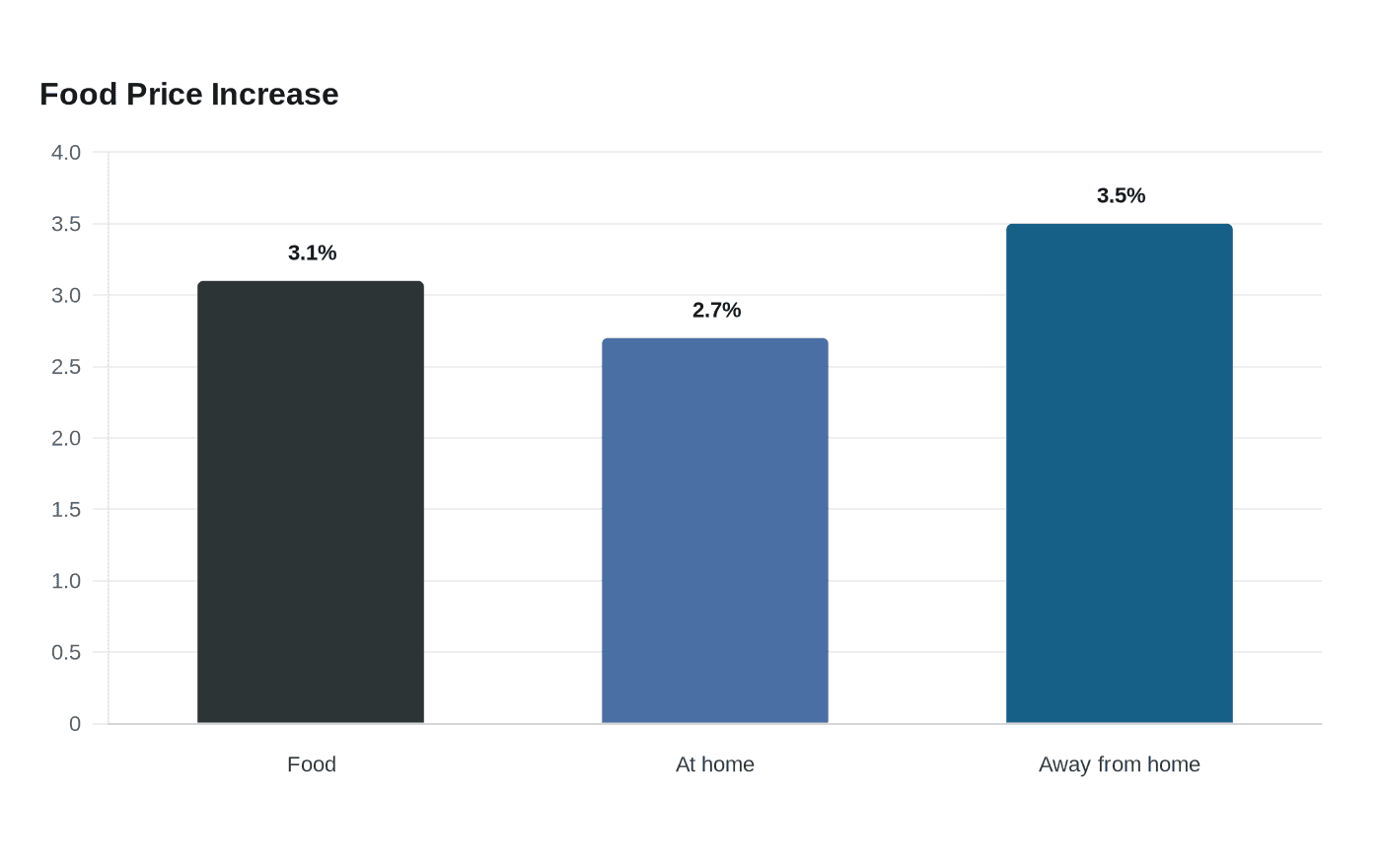
Grocery prices were still running hotter than household budgets in May, and USDA's June 2026 outlook said the pressure was broad enough to matter for A Simple Gesture's pickup routes, pantry partners and volunteer asks. Food prices were 3.1 percent higher than in May 2025, with food-at-home up 2.7 percent and food-away-from-home up 3.5 percent. USDA also projected total food prices to rise 3.2 percent in 2026, while food-at-home was expected to climb 2.8 percent.
The outlook matters because USDA's Food Price Outlook is built from the latest Bureau of Labor Statistics Consumer Price Index and Producer Price Index data and projects annual food-price changes up to 18 months ahead. USDA says the food-at-home CPI, which tracks retail grocery prices, is closely watched by industry analysts, food market participants and policymakers, which makes it a practical yardstick for food recovery groups trying to line up donations with real household need. In May, poultry, fish and seafood, pork, sugar and sweets, and several other categories moved higher, while eggs, beef and veal, and fats and oils fell.
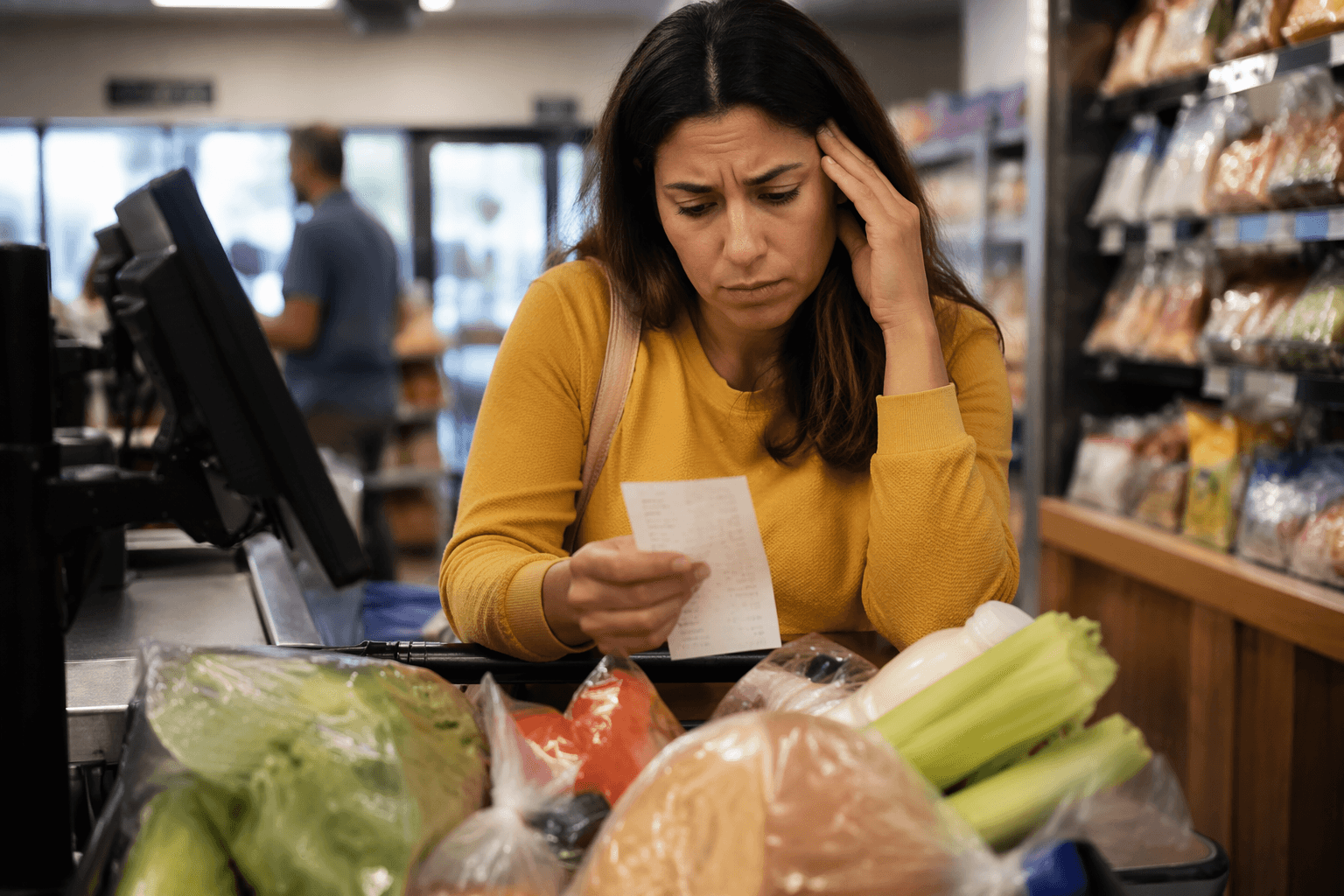
For A Simple Gesture, that kind of category-by-category pressure is useful operational intelligence. If protein prices are pinching donor households, staff can be more deliberate about what goes into green-bag asks and pantry matchups, steering support toward shelf-stable staples and the foods that remain hardest to cover when budgets tighten. The price mix also gives volunteers a concrete answer when they are asked why doorstep pickups still matter: a few dollars' difference at the grocery store can change whether a family donates this month or waits until next month.
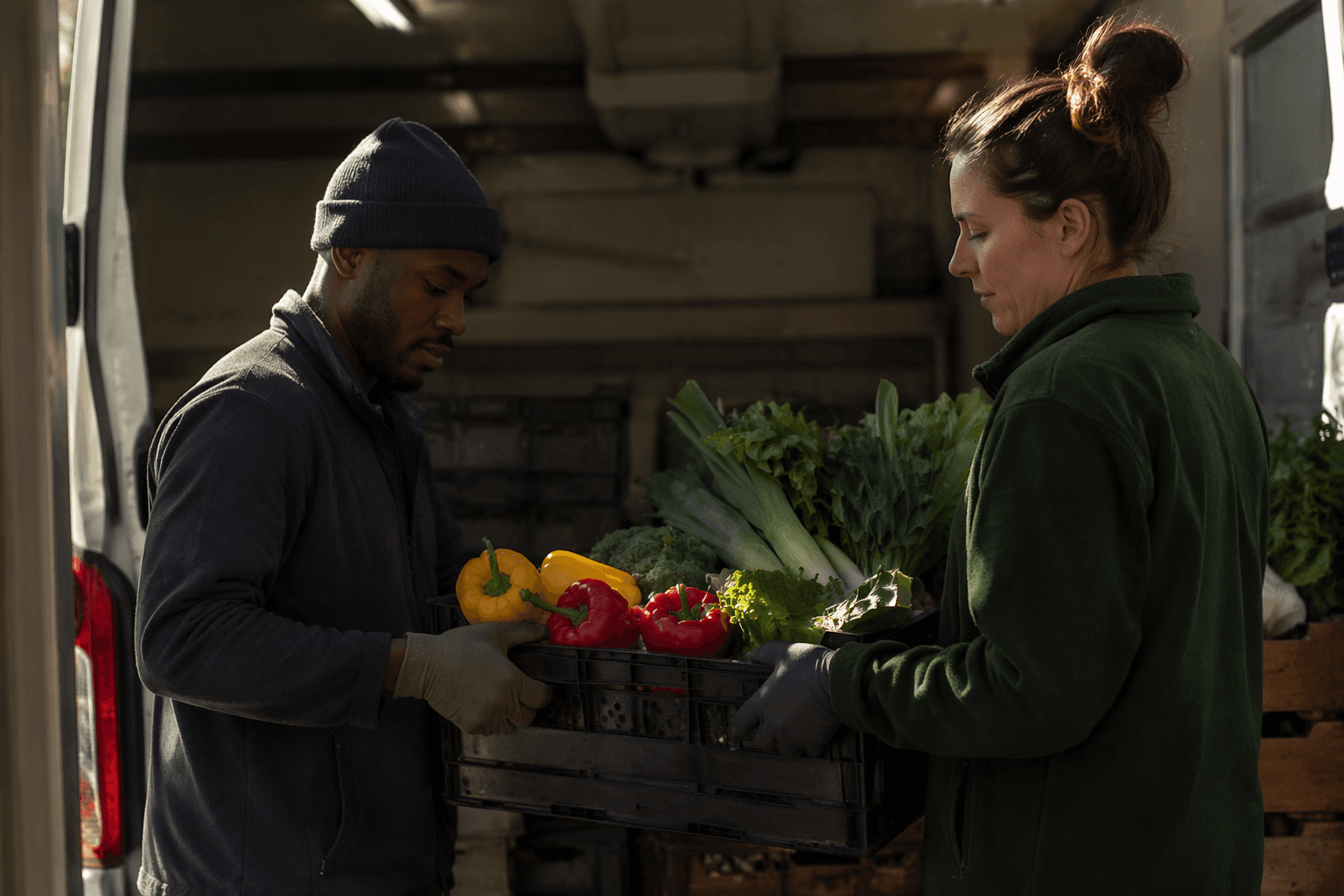
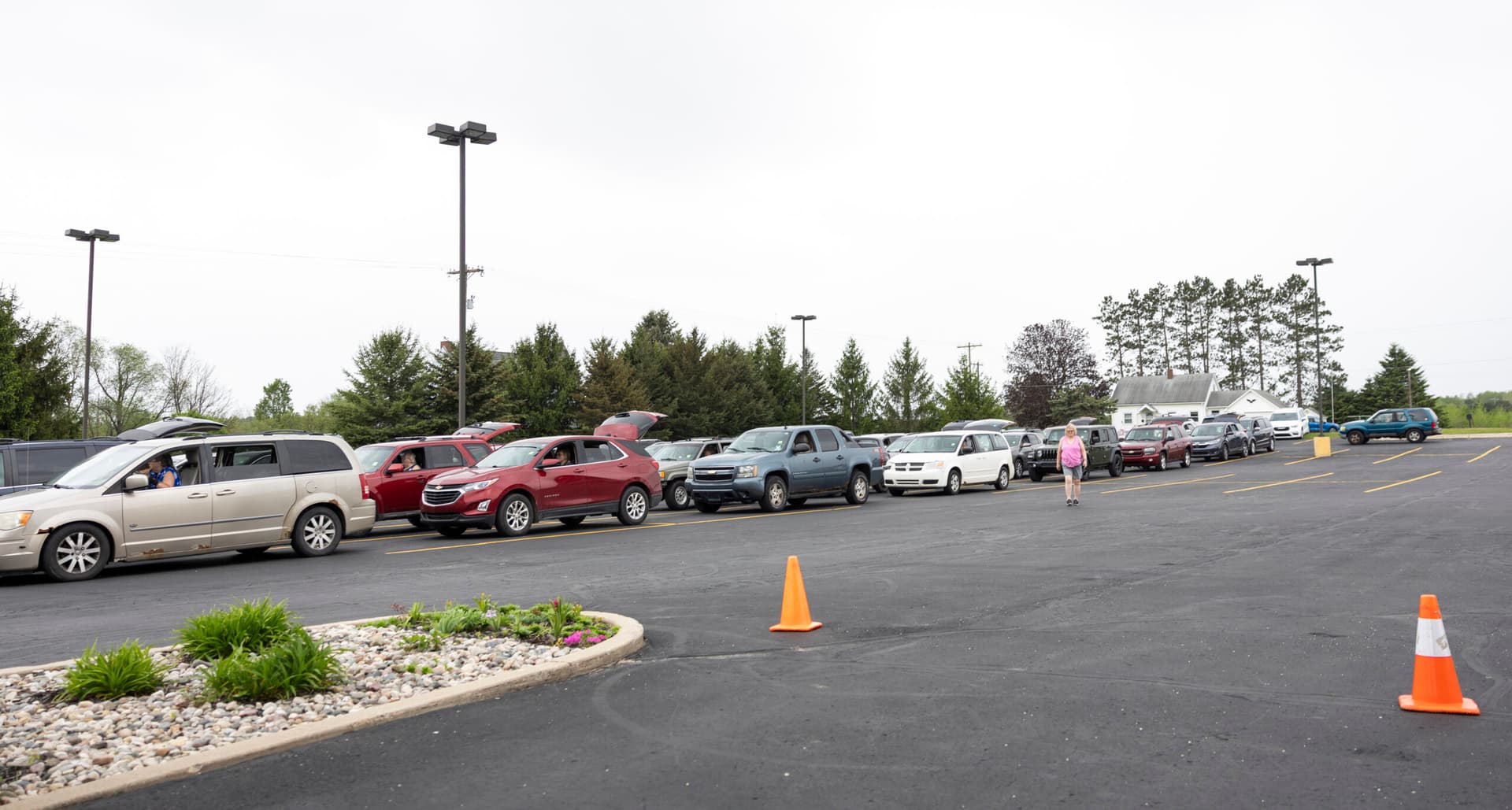
A Simple Gesture says it has made donating food easy since 2015 through its collection programs in Guilford County, where it works with dozens of local food pantries. By December 2025, the group said it had delivered more than 8,000,000 child-size meals and logged $13,000,000 in donated food value. Its network also included more than 3,900 recurring food donors and 200 monthly volunteers. The Food Recovery Program rescues surplus food from businesses and delivers it to vetted nonprofits, while the SHARE school program lets students place unopened, unwrapped cafeteria food into a refrigerator that others can use during the school day.
That local network is operating inside a larger hunger crisis. Feeding America estimates 1,627,360 people in North Carolina face hunger, including 438,200 children, and says 1 in 7 people and 1 in 5 children in the state lack reliable access to enough food. It estimates that people facing hunger in North Carolina need more than $1.08 billion more each year to meet their food needs, with an average meal cost of $3.50. Feeding America says its Map the Meal Gap study, now in its 15th year, will release 2026 county data in late July, giving groups like A Simple Gesture another benchmark as they plan routes, pantry drops and volunteer drives.
This article was produced by Prism’s automated news system from verified source data, official records, and press releases, then run through automated quality and moderation checks before publishing. The system is built and supervised by the people who set the standards it runs under. Read our full AI policy.
Know something we missed? Have a correction or additional information?
Submit a Tip