Food Rescue US reports 35.7 million meals rescued in 2025
Food Rescue US said 10 rescuers topped 1,000 pickups as the network pushed 35.7 million meals through its direct-transfer model.
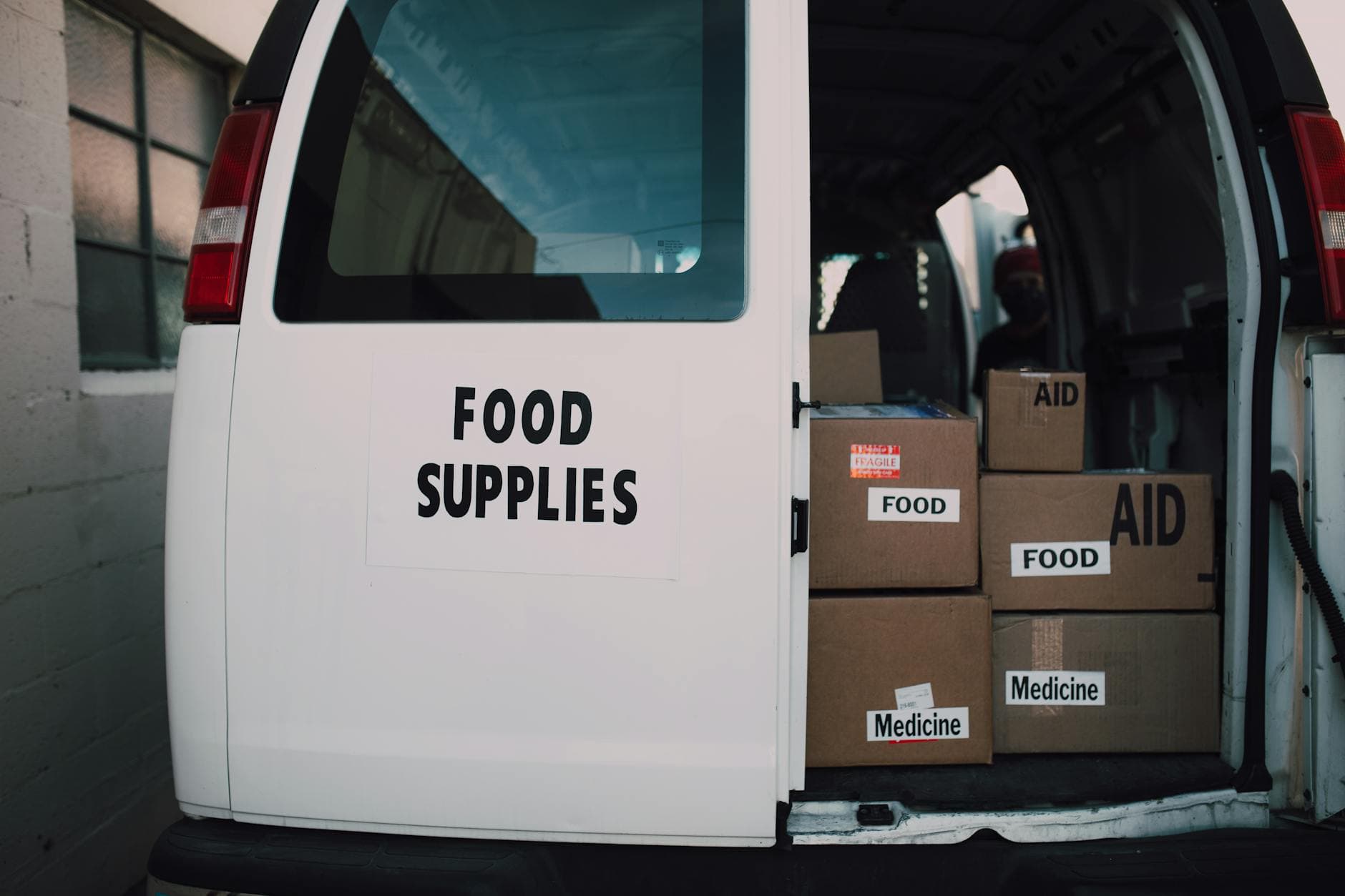
Food Rescue US said it rescued 35.7 million meals in 2025, a scale-up built less on a central warehouse and more on tightly managed local handoffs. The network said it completed nearly 147,000 food rescues, added 6,085 new registered rescuers and launched 28 community fridges, showing how a distributed model can turn surplus into supply without adding a lot of bureaucratic weight.
The 2025 totals point to the operational side of food recovery that often gets missed in mission-first storytelling. Food Rescue US said 10 rescuers each reached 1,000 rescues, a sign that repeat participation and retention can matter as much as recruitment. The group also said its site directors must complete ServSafe certification, a detail that underscores how food recovery depends on standardized local leadership, not just goodwill. Its web-based app connects food donors, volunteers and receiving agencies, and the organization said it now operates in 51 locations across 25 states and Washington, DC.
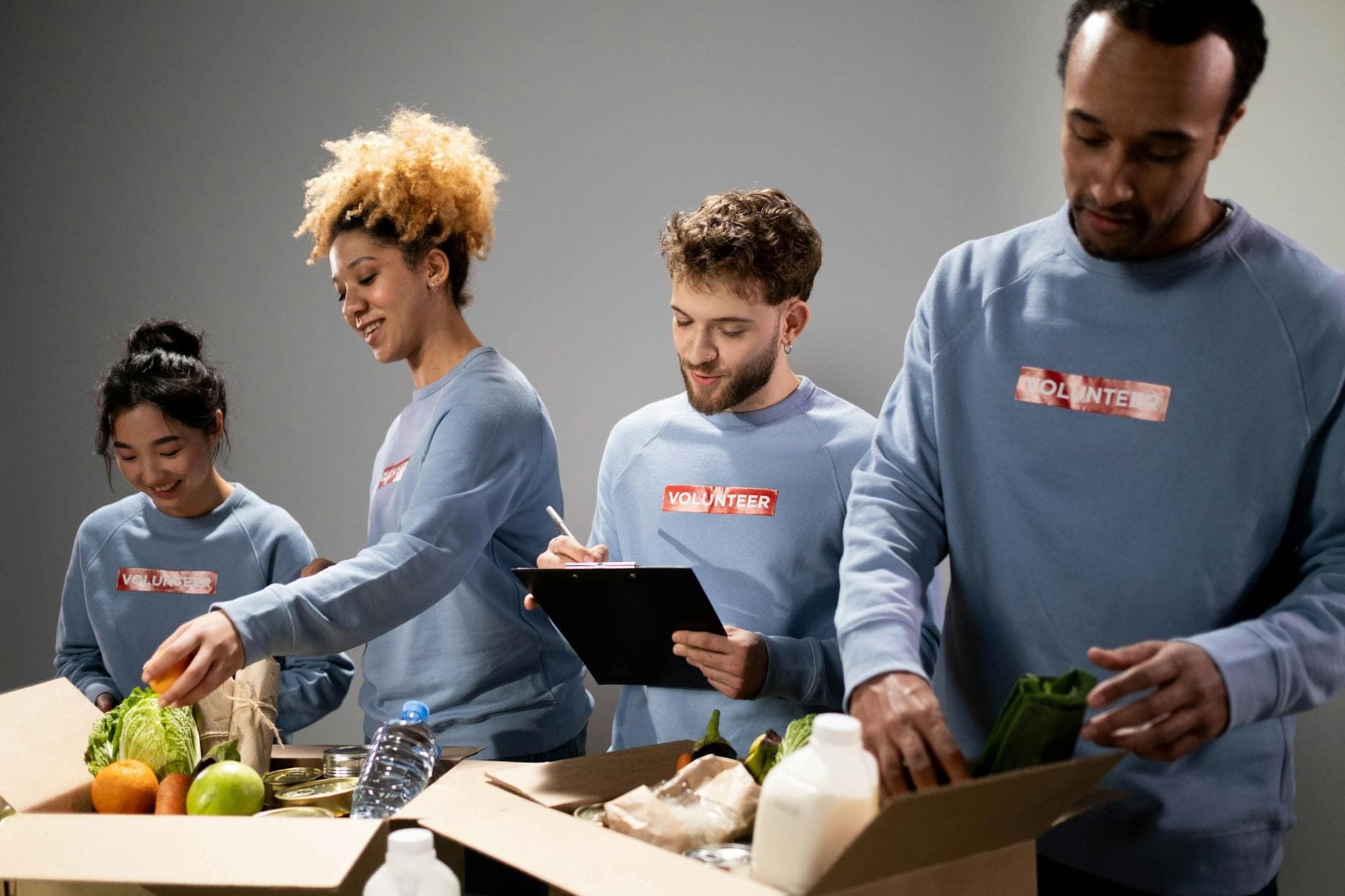
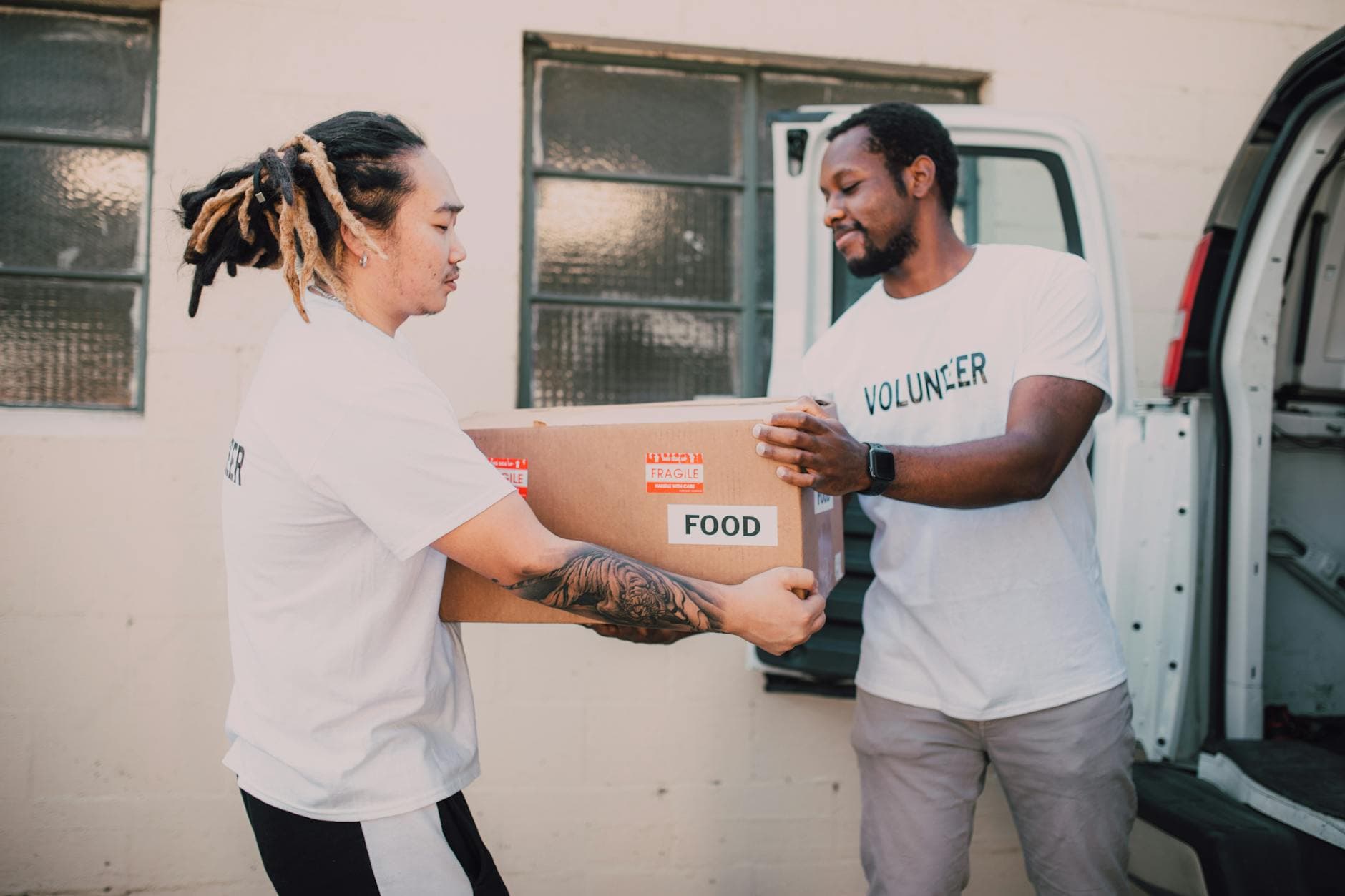
That structure has roots in Fairfield County, Connecticut, where Jeff Schacher and Kevin Mullins founded the organization in 2011 after identifying food insecurity and food waste as problems that could be tackled together through an app, volunteers and a direct-transfer model. In that setup, edible food moves directly from donor to social service agency, with volunteer rescuers facilitating the transfer. For neighborhood programs trying to grow without losing control of route timing, donor coordination or pickup consistency, that model offers a clear lesson: the network matters as much as the haul.
The 2024 impact report shows how far the system had already expanded before last year’s jump. Food Rescue US said it was active in 44 locations across 23 states plus Washington, DC, with more than 24,000 registered volunteers, 5,027 food donors and 3,707 hunger relief agencies. It completed 131,968 rescues, delivered nearly 32 million meals, diverted more than 37 million pounds of food from landfills and distributed over $73 million worth of donated food on an operating budget of about $1.6 million.
The community fridge push adds another operational lesson for groups like A Simple Gesture: scale does not have to mean one delivery channel. Food Rescue US’s Fridge the Gap effort originally planned 12 fridges across six community-supported locations, then ended up launching 28. That kind of expansion gives a recovery network more ways to place food where demand is uneven, while also making volunteer routing, partner coordination and data tracking more important as the map gets bigger.
Know something we missed? Have a correction or additional information?
Submit a Tip