Greater Boston Food Bank praises Massachusetts House for prioritizing hunger relief funding
Massachusetts House backed hunger relief in a $63.4 billion budget as food insecurity hit 40 percent, a signal that funding could shape pantry capacity statewide.
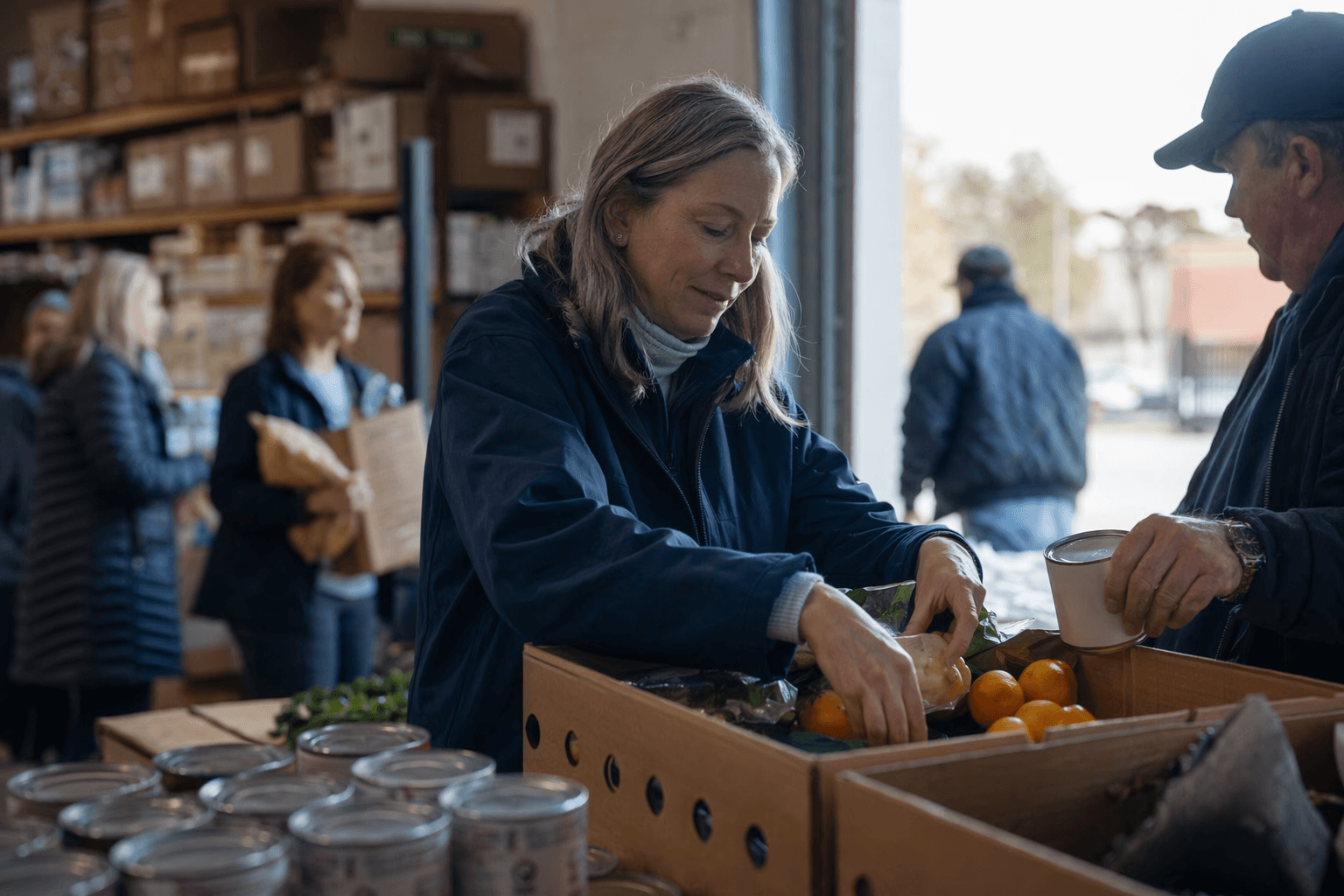
A $63.4 billion budget and a 40 percent food insecurity rate are now colliding in Massachusetts, and The Greater Boston Food Bank is making plain what is at stake: the size of the state’s hunger-relief investment will shape how much food gets purchased, how stable pantry partners remain, and how far local recovery networks can stretch donations.
The food bank said on April 30 that it welcomed the Massachusetts House of Representatives for prioritizing hunger-relief programs in fiscal year 2027, which runs from July 1, 2026 through June 30, 2027. House leaders approved a spending plan that was about $81.3 million above the Ways and Means Committee proposal released earlier in April, a difference that matters for organizations that depend on public dollars to keep shelves stocked and partner agencies operating with some predictability.
The timing was not accidental. The Greater Boston Food Bank had already used its April 7 statewide food access report to show how much pressure the system is under: 40 percent of Massachusetts households, about 1.1 million, experienced food insecurity in 2025, and about 700,000 households experienced very low food security. That is the most severe form of hunger. The report also showed how quickly the problem has worsened, with food insecurity rising from 19 percent in 2019 to 40 percent in 2025, while very low food security climbed from 6 percent to 25 percent.
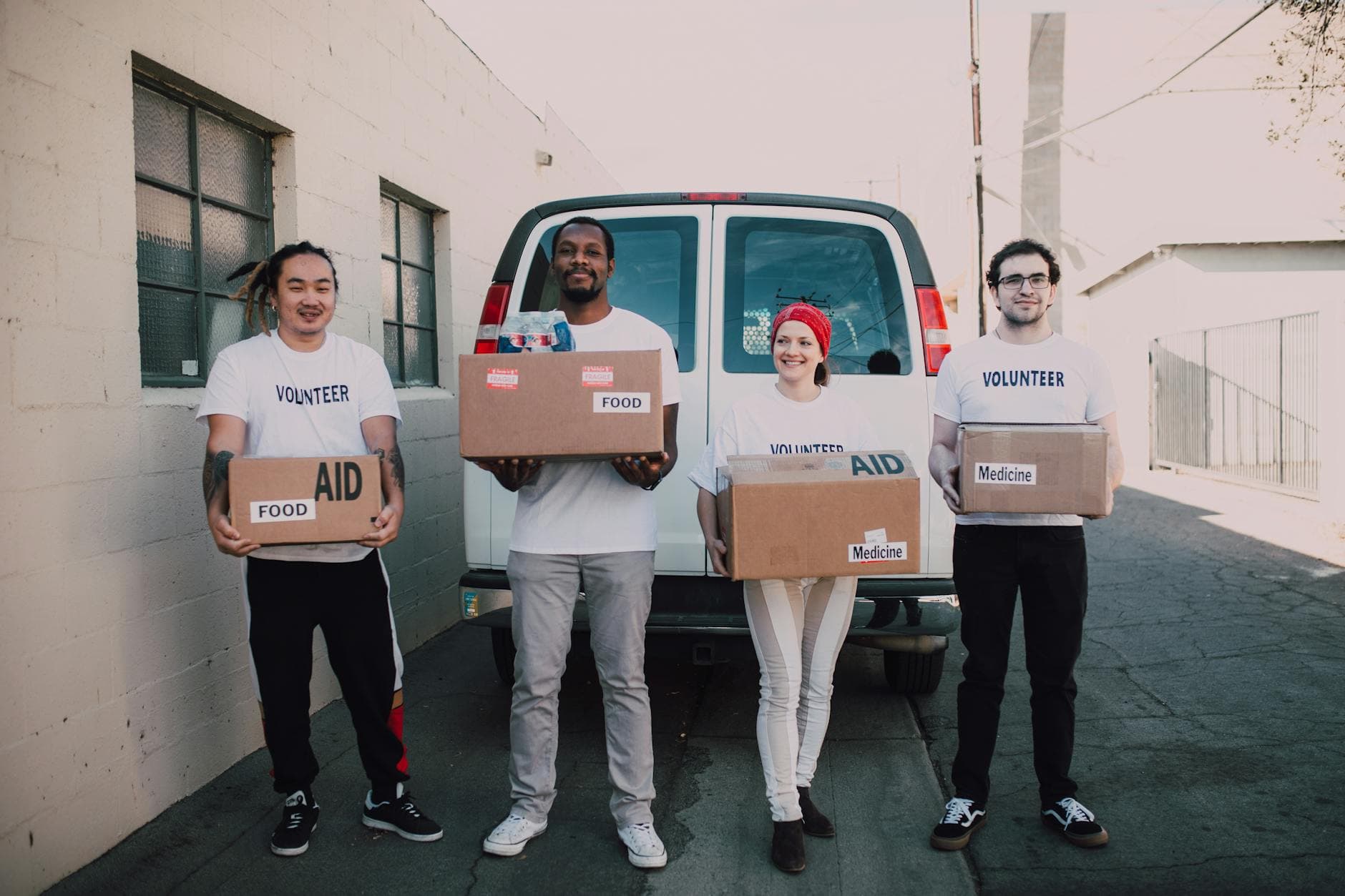
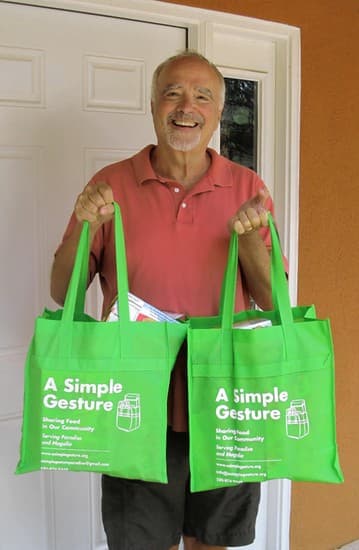
For staff and volunteers at organizations such as A Simple Gesture, the point is practical, not abstract. When state lawmakers boost hunger-relief funding, food banks and pantry partners have more room to absorb donated food, manage warehouse planning, and keep service levels steady. When budgets come up short, the pressure moves downstream to the groups coordinating pickups, balancing routes, and trying to meet rising demand with limited capacity. GBFB said 74 percent of food-insecure households were using at least one food and nutrition assistance program in 2025, the highest use of charitable food and nutrition assistance since before the pandemic.
The House action also fit a broader pattern of budget lobbying by the food bank. GBFB praised Governor Maura Healey for prioritizing hunger relief in her FY2027 budget on January 28, 2026, and it pointed to historic hunger-relief investments enacted in FY2026 after the state budget was signed on July 4, 2025. For anti-hunger groups, the lesson is clear: the fight for food access is won or lost long before pantry shelves go bare, in the budget rooms where staffing, capacity and community stability are decided.
This article was produced by Prism’s automated news system from verified source data, official records, and press releases, then run through automated quality and moderation checks before publishing. The system is built and supervised by the people who set the standards it runs under. Read our full AI policy.
Did this article answer your question?