IRS Raises 2026 Business Mileage Rate to 72.5 Cents Per Mile
The IRS set 2026 business mileage at 72.5 cents a mile, but nonprofit reimbursement rules still need their own playbook. For route drivers, that gap can quietly change pay and budgets.

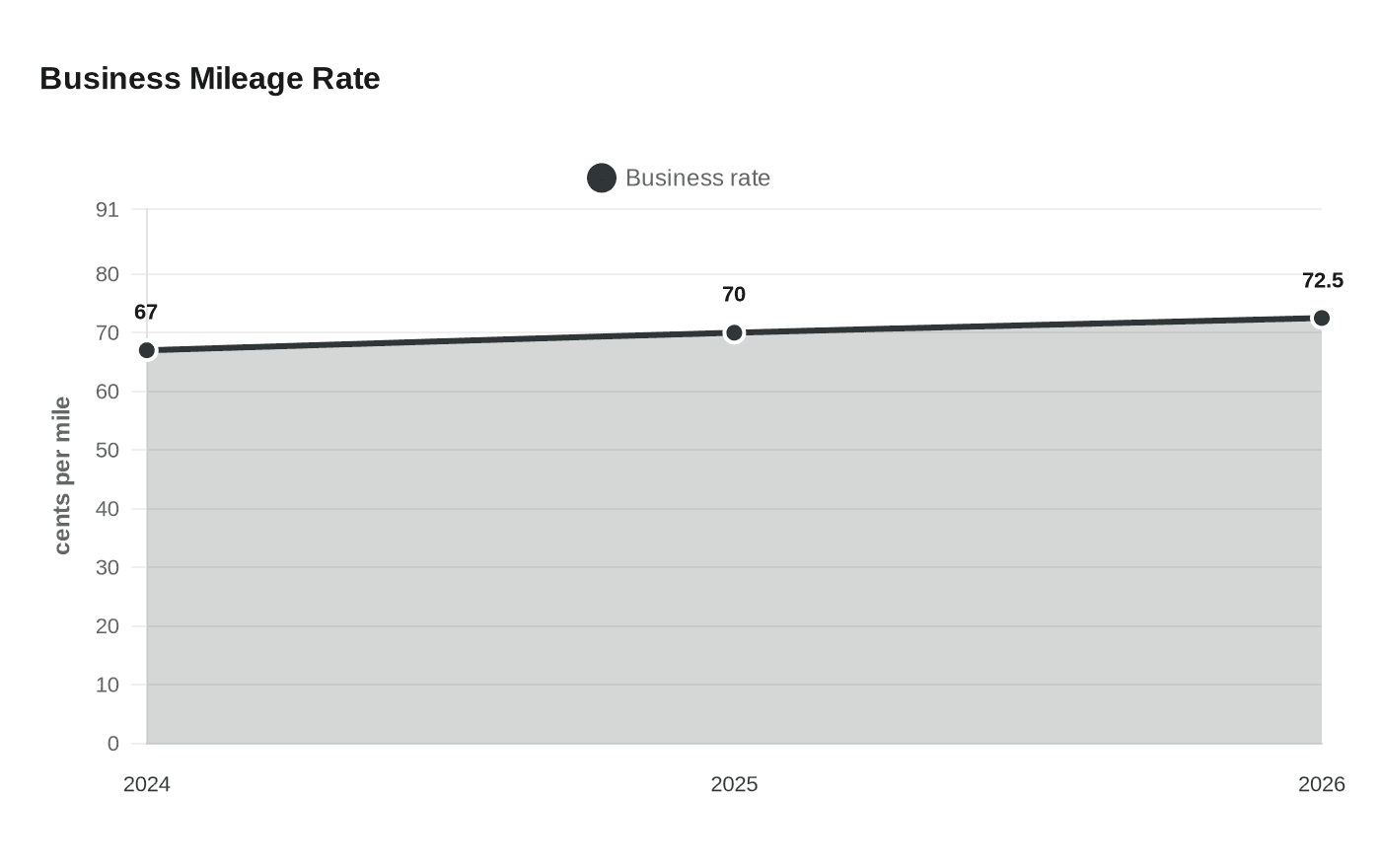
The IRS’s new 72.5-cent business mileage rate is not the same thing as a nonprofit’s reimbursement policy, and that difference matters for A Simple Gesture staff who drive pickup routes, pantry visits and donor meetings. Notice 2026-10, published on Dec. 29, 2025, raised the optional standard mileage rate for business use by 2.5 cents and set the maximum standard automobile cost at $61,700 for certain cents-per-mile valuation rules.
The notice also spells out that the 2026 mileage framework covers business, charitable, medical and moving-expense purposes. That matters because the rates do not move together. The IRS table shows the business rate was 70 cents per mile in 2025 and 67 cents in 2024, while the charitable rate stayed at 14 cents per mile in both years. The medical rate was 21 cents per mile in 2025. The charitable rate is fixed by statute at 14 cents per mile, which is why nonprofit mileage policy can never simply be copied from business travel rules.
For A Simple Gesture, the practical question is not just what the IRS says, but how the organization writes its own reimbursement policy. Staff who drive for work need a system that is easy to administer, transparent to employees and updated at least once a year. That review should decide who is eligible, which trips count, whether electronic logs are required and whether the organization reimburses below, at or above the IRS rate. If a chapter relies on mileage reimbursement for route supervision, site visits or purchasing runs, an annual January reset can prevent the quiet underpayment that happens when old numbers stay in the handbook.
The split between charitable and business mileage also affects volunteers and budgets. The National Council of Nonprofits says the charitable rate has been 14 cents per mile since 1997, when gasoline averaged $1.23 a gallon. IRS guidance says volunteers should keep written records of miles driven, dates, the charity’s name and the purpose of the work. Employers, meanwhile, may use the cents-per-mile rule to reimburse employees for business use of a personal vehicle under certain conditions. That means A Simple Gesture cannot treat a volunteer mileage form as a staff reimbursement policy.
For organizations with frequent pickup routes or site visits, the safest approach is a simple one: update the mileage schedule every year, explain which category each driver falls into and communicate the change before routes start. That keeps reimbursement predictable, helps protect compliance and gives local food-recovery budgets a more accurate picture of what those miles really cost.
This article was produced by Prism’s automated news system from verified source data, official records, and press releases, then run through automated quality and moderation checks before publishing. The system is built and supervised by the people who set the standards it runs under. Read our full AI policy.
Did this article answer your question?