LDS Church delivers 100th food truckload in America250 drive to Dallas
A 40,000-pound shipment hit Dallas as the Church marked its 100th America250 truckload, the kind of cadence food banks can plan around.

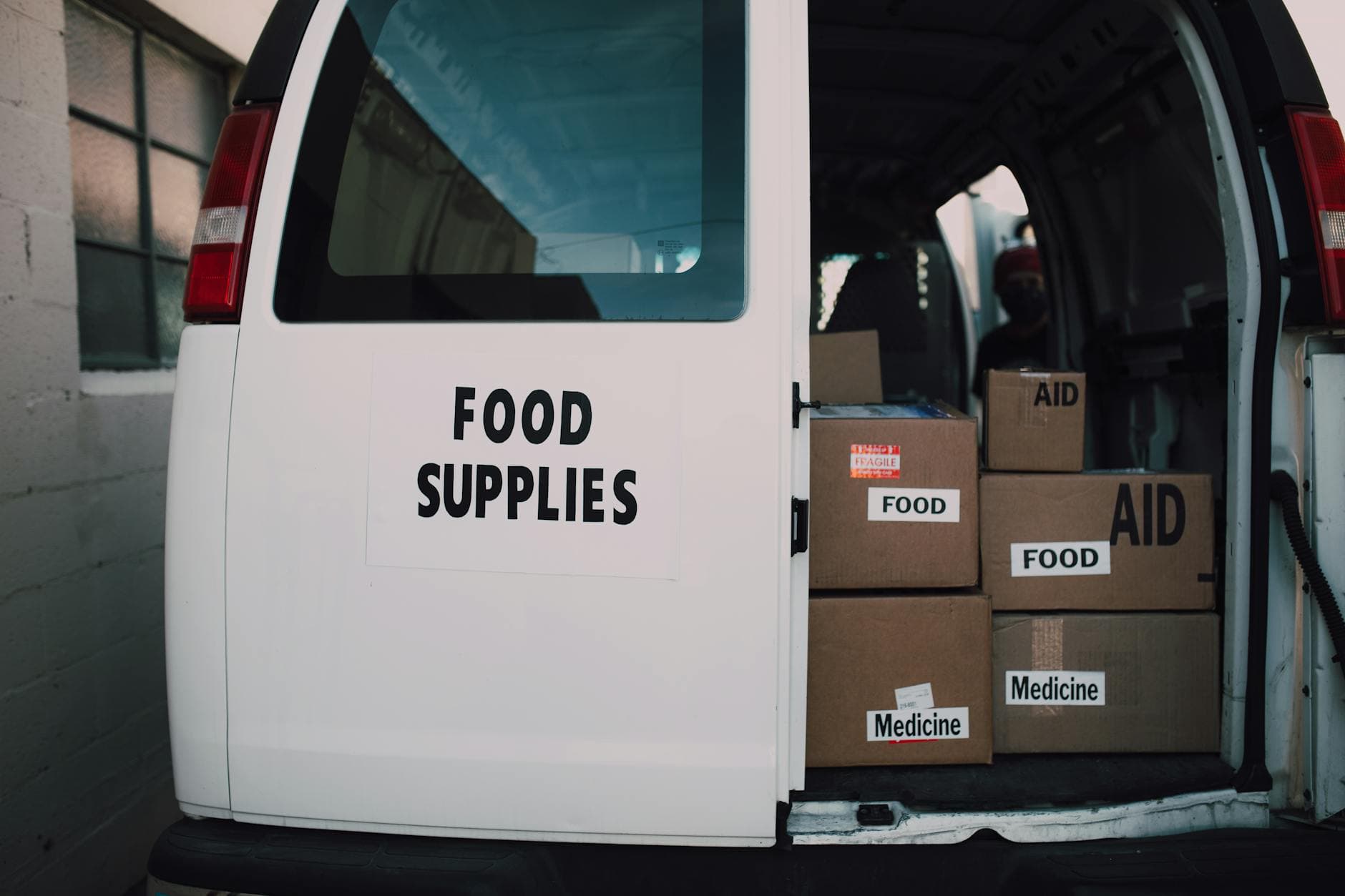
A 40,000-pound food shipment landed at Joe’s Pantry in Dallas as The Church of Jesus Christ of Latter-day Saints marked its 100th truckload in a yearlong America250 drive built to move 250 loads to food banks in all 50 states.
The Dallas delivery carried pantry staples with direct utility on the shelf and in the kitchen: pasta, flour, beans, peanut butter, dried milk, and canned fruits, vegetables and meats. The load is expected to help Joe’s Pantry provide nearly 34,000 meals in the Dallas area, while also supporting Soldiers’ Angels as it opens a new pantry for veterans and military families.
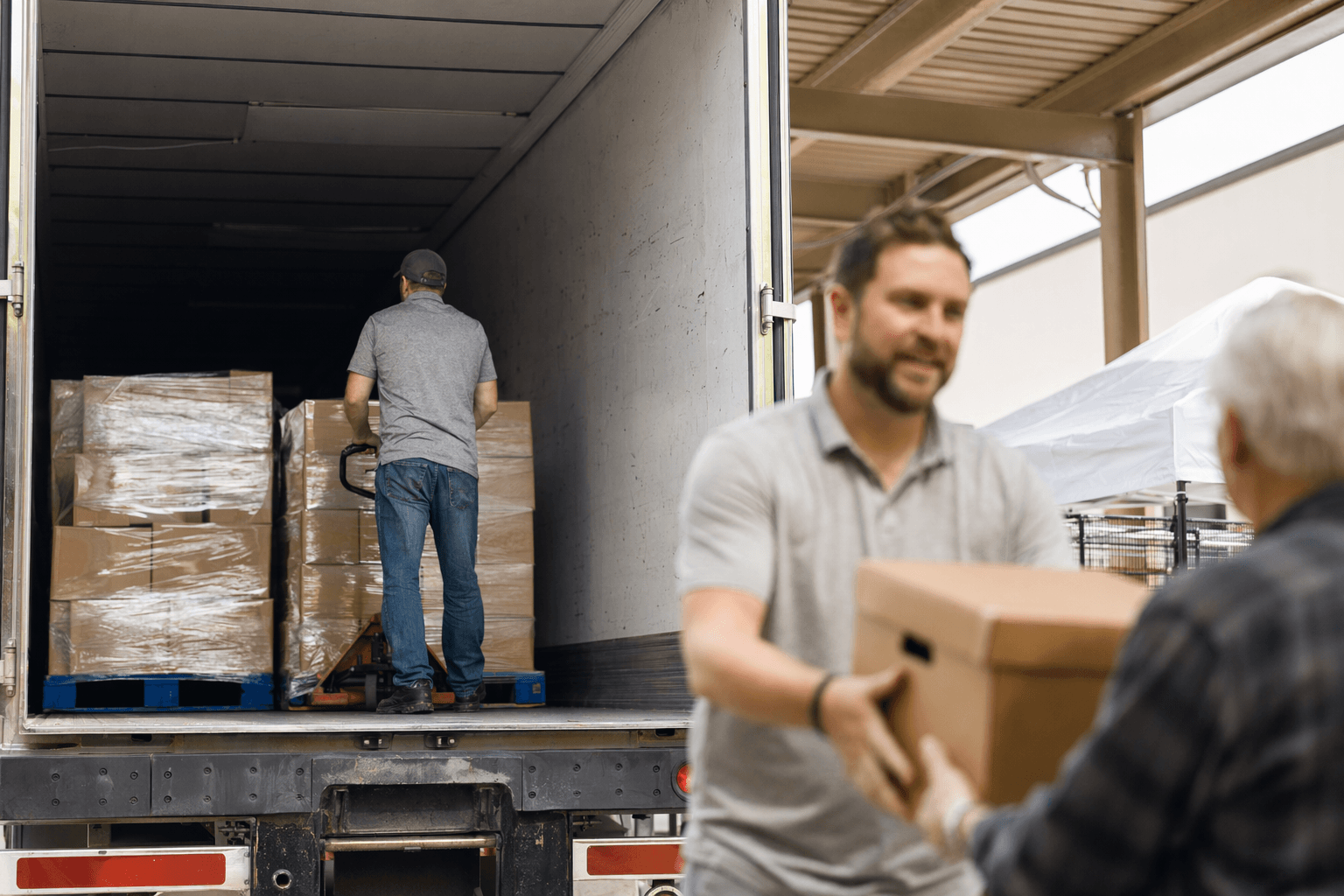
The 100th load was not a standalone gesture. The Church launched the America250 effort in November 2025, when the first five semitrucks left the Bishops’ Central Storehouse in Salt Lake City bound for food banks in Michigan, Oregon, Arkansas, Missouri and Texas. Each truck carries about 40,000 pounds of shelf-stable food, and the Church says most of the goods are produced by the Church and funded by member donations.
That structure matters to food bank operators because it turns generosity into a schedule. Blaine Maxfield, the managing director of the Church’s Welfare and Self-Reliance Services, has framed the trucks as a system that can be loaded and sent where they are needed. Elder Gerrit W. Gong has said the 250th anniversary year is a chance to serve together and show gratitude for the freedoms that let faith communities flourish. In Grand Blanc, Michigan, one of the first five delivery cities, the Church also tied the donation to community support after the September 28 tragedy at a local meetinghouse and used the shipment to thank neighbors, first responders and interfaith partners.
For food recovery groups, that kind of cadence is the real story. A one-off truckload creates a burst of visibility; a planned sequence of 250 truckloads gives pantries a longer runway to forecast inventory, route product to multiple partners and keep volunteers engaged around a repeatable rhythm. A Simple Gesture has built on a similar logic for years with recurring green-bag pickups every other month, replacement bag swaps and direct pantry delivery. Started in 2011 by Jonathan Trivers in Paradise, California, and now replicated by more than 70 chapters nationwide, the model shows how routine can scale. Its materials say a $1 donation converts to more than $30 of food value, and one 2025 summary put its total at more than 8,000,000 child-size meals.
The Dallas drop is a milestone, but the larger lesson is operational: food banks and their partners do better when giving arrives on a schedule they can plan against, not just on a ceremonial day.
Know something we missed? Have a correction or additional information?
Submit a Tip