Ready.gov continuity guidance helps A Simple Gesture plan disruptions
Continuity planning keeps A Simple Gesture’s green-bag pickups, pantry deliveries, and food-recovery ties moving when storms or outages hit. Ready.gov’s playbook turns that work into a service-protection plan.
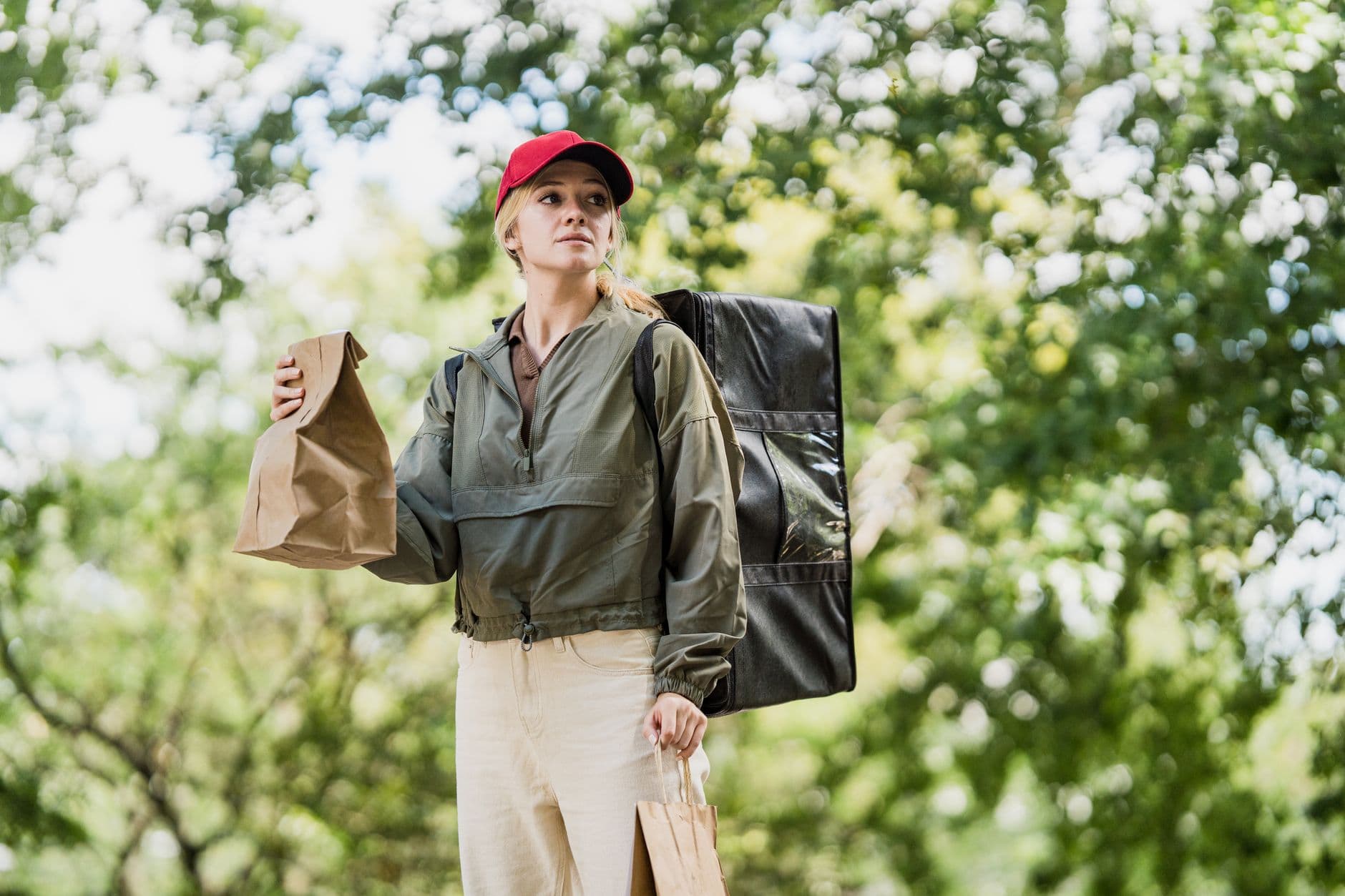
A storm, a power outage, a route cancellation, a staff absence, or a tech failure can stop doorstep pickups, delay pantry deliveries, and leave donors wondering what happened to the green bag they left outside. Continuity is the difference between keeping critical services moving and losing the trust that volunteers, donors, and pantry partners bring to the table.
Start with the mission that cannot pause
Continuity is the ability to provide uninterrupted critical services, essential functions, and support while maintaining organizational viability before, during, and after a disruptive event. For A Simple Gesture, that means the plan has to protect the flow of food itself. The organization has partnered with dozens of local food pantries in Guilford County, has made donating food easy since 2015, and exists to provide a sustainable supply of food to local food pantries, collect excess perishable food for nonprofits and community meals, and support the SHARE program in Guilford County Schools.
That mission stretches across multiple channels. A Simple Gesture’s food-recovery program matches food businesses with vetted nonprofits, and its SHARE refrigerators let students access donated food during the school day. If one part of that chain breaks, the ripple can reach pantry shelves, school hallways, and community meal sites at once. A continuity plan should therefore start by naming the functions that must stay alive no matter what, then ranking them by the order in which they have to recover.
Build the continuity team before the disruption
Business continuity planning should include organizing a continuity team and compiling a written plan to manage a business disruption. That is the right structure for a nonprofit that depends on distributed volunteers and time-sensitive pickups. The continuity team should not be a vague list of managers; it should reflect the actual flow of work, including whoever coordinates green bag routes, volunteer recruitment and retention, pantry relationships, food-business pickups, and school-based food access.
The written plan should spell out who decides whether pickups go forward, who calls volunteers, who updates pantry partners, and who can reschedule routes if Greensboro roads are blocked or staff are unavailable. It should also define backups for the people who usually make those calls. In a volunteer-driven organization, one missing phone number can slow down an entire neighborhood route, so the plan has to assume that the usual coordinator may be offline when the problem starts.
Treat communication as part of service delivery
The need to communicate is immediate when an emergency occurs, and different audiences need information tailored to their interests and needs. For A Simple Gesture, that means separate messages for volunteers, donors, pantry partners, school contacts, and food-business partners, not one generic alert copied everywhere.
The message to volunteers may need to say routes are canceled or shifted and explain how to get a new assignment. Donors need to know whether to leave green bags out, hold them for a later pickup, or bring items to a different site. Pantry partners need clear timing, especially if they are counting on a food delivery to fill shelves the same day. School partners need a different kind of notice if the SHARE program is affected, since students rely on those refrigerators during the school day.
A workable communication plan should answer a few basic questions in advance:
- Who sends the first alert if a route is canceled?
- What is the backup if phones, email, or the CRM system are down?
- Which audiences get notified first, and through which channel?
- What wording is ready to use for weather delays, power outages, staffing gaps, and system failures?
Pair IT recovery with route recovery
Preparedness planning should include communications planning, IT support and recovery, and continuity plans. An information technology disaster recovery plan should be developed together with the business continuity plan, and recovery priorities and recovery time objectives should be set during the business impact analysis. In practical terms, A Simple Gesture should decide which systems have to come back first, how quickly, and who needs access.
For a food-recovery nonprofit, that likely includes donor and volunteer contact lists, pickup-route schedules, pantry partner records, and any tools used to match food businesses with vetted nonprofits. If those systems are down, the organization may still be able to operate manually, but only if staff already know how to do it. The continuity plan should include paper backups or offline procedures for route changes, contact trees, and pickup confirmations, then define when those records get re-entered once systems return.
Recovery time objectives force that discipline by saying, in effect, how long the organization can live without each system before service starts to break.
Test the handoffs that keep food moving
Continuity planning works best when it follows the actual handoff points in the operation. At A Simple Gesture, those are the moments where volunteers, donors, pantries, food businesses, and school partners depend on one another. A route may still be scheduled on paper, but if the volunteer who knows the neighborhood cannot be reached, the bag pickup stalls. A pantry may be ready for a delivery, but if the coordinator’s inbox is down, the food sits in a warehouse or car trunk instead of reaching families.
That is why the plan should walk through scenarios that mirror real interruptions: a storm that keeps volunteers off the road, a staffing gap that leaves route coverage thin, or a systems outage that blocks messaging and scheduling. Each scenario should end with the same question: what is the simplest way to keep food moving today, not next week? The answer may involve reassigning routes, switching to phone trees, delaying lower-priority pickups, or moving food to a partner site that can receive it safely.
This article was produced by Prism’s automated news system from verified source data, official records, and press releases, then run through automated quality and moderation checks before publishing. The system is built and supervised by the people who set the standards it runs under. Read our full AI policy.
Did this article answer your question?