USDA TEFAP flexibility shapes local food bank distribution models
TEFAP food starts with federal purchases, but local state rules decide how it reaches pantries. That flexibility is where routes, handoffs, and volunteer plans can change.
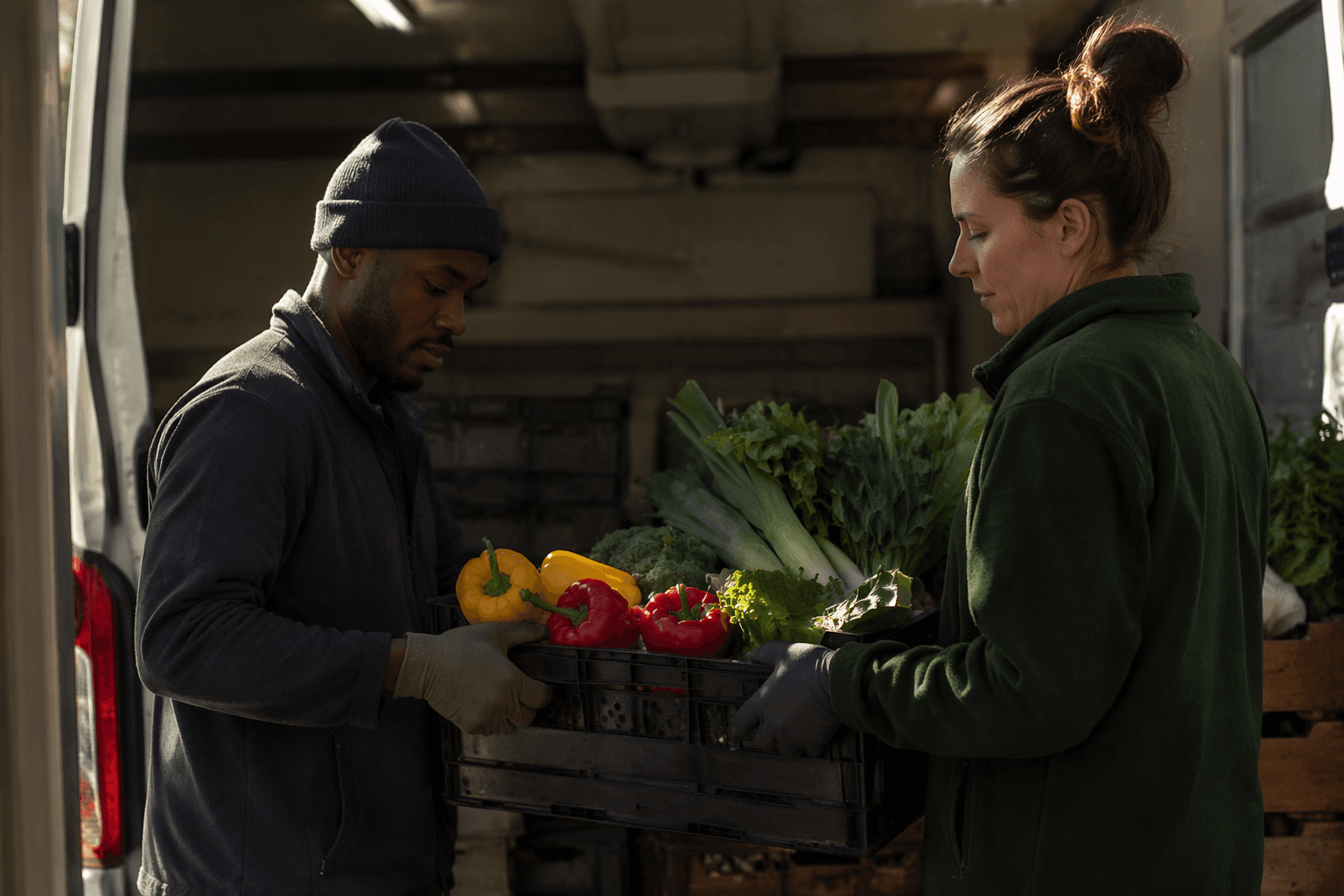
A TEFAP box does not move in a straight line from Washington to a pantry shelf. USDA buys the food, state agencies move it through local systems, and recipient agencies decide whether distribution happens by drive-through, central pickup, home delivery, or another approved model. For A Simple Gesture, the pressure point is not just supply, but the handoff rules that shape every pickup route and pantry delivery window.
How the federal pipeline works
The Emergency Food Assistance Program began with the Emergency Food Assistance Act of 1983 and later became a permanent federal program. USDA administers it at the national level, while all 50 states, the District of Columbia, Puerto Rico, the U.S. Virgin Islands, and Guam administer it locally. USDA purchases nutritious foods and makes them available to state distributing agencies, which is why TEFAP often acts as a backbone supply stream for food banks and emergency food partners.
That structure matters because it puts federal purchasing power behind a local distribution system. TEFAP is designed to supplement the diets of people with low income at no cost, including seniors, but the food still has to pass through state and local operating rules before it reaches a pantry table. In practical terms, the federal government powers the inventory, while states and recipient agencies determine how that inventory is actually handed out.
Why the local rules matter to staff and volunteers
USDA’s policy guidance makes clear that TEFAP is not one rigid workflow. The department keeps a library of guidance, and state agencies administer the program through their own systems and procedures. The 2024 streamlining memo gives a useful field example: eligible recipient agencies may use drive-through distribution, central pickup locations, or home delivery where appropriate, and organizations serving prepared meals can use take-out containers.
For A Simple Gesture, that flexibility creates both opportunity and friction. A coordinator cannot safely assume that one pantry partner accepts donations the same way as another, because TEFAP administration often depends on state guidance, local eligibility practices, and the specific service model of the recipient agency. That is where operational gaps show up: a volunteer may arrive expecting a drop-off dock, only to find a drive-through line, a timed pickup slot, or a home-delivery model that changes the chain of custody.
The most practical lesson is to verify partner procedures before locking in route tags, pickup schedules, or donor messaging. If the pantry’s TEFAP-backed distribution model shifts, the impact can ripple back to green bag collections, storage plans, and the number of volunteer hours needed on a given day. In a neighborhood recovery operation, the question is rarely whether the food exists. It is whether the site can receive it in the way the plan assumes.
How much food TEFAP actually moves
The scale explains why TEFAP is more than a policy acronym. USDA says the program has helped supplement the diets of low-income Americans, including seniors, for three decades. Feeding America says TEFAP supplies about 30 percent of the food distributed through its food banks and local hunger-relief programs, a share large enough to affect everything from truck schedules to pantry menus.
The volume is just as telling. Between July 2021 and June 2022, Feeding America’s network received 1.24 billion pounds of TEFAP food and provided over 1 billion meals. Feeding America also says TEFAP reached 96 percent of rural counties in 2020, which helps explain why the program matters far beyond major metro areas. When a program reaches that deep into rural America, it becomes part of the infrastructure of hunger relief, not just a supplemental source.
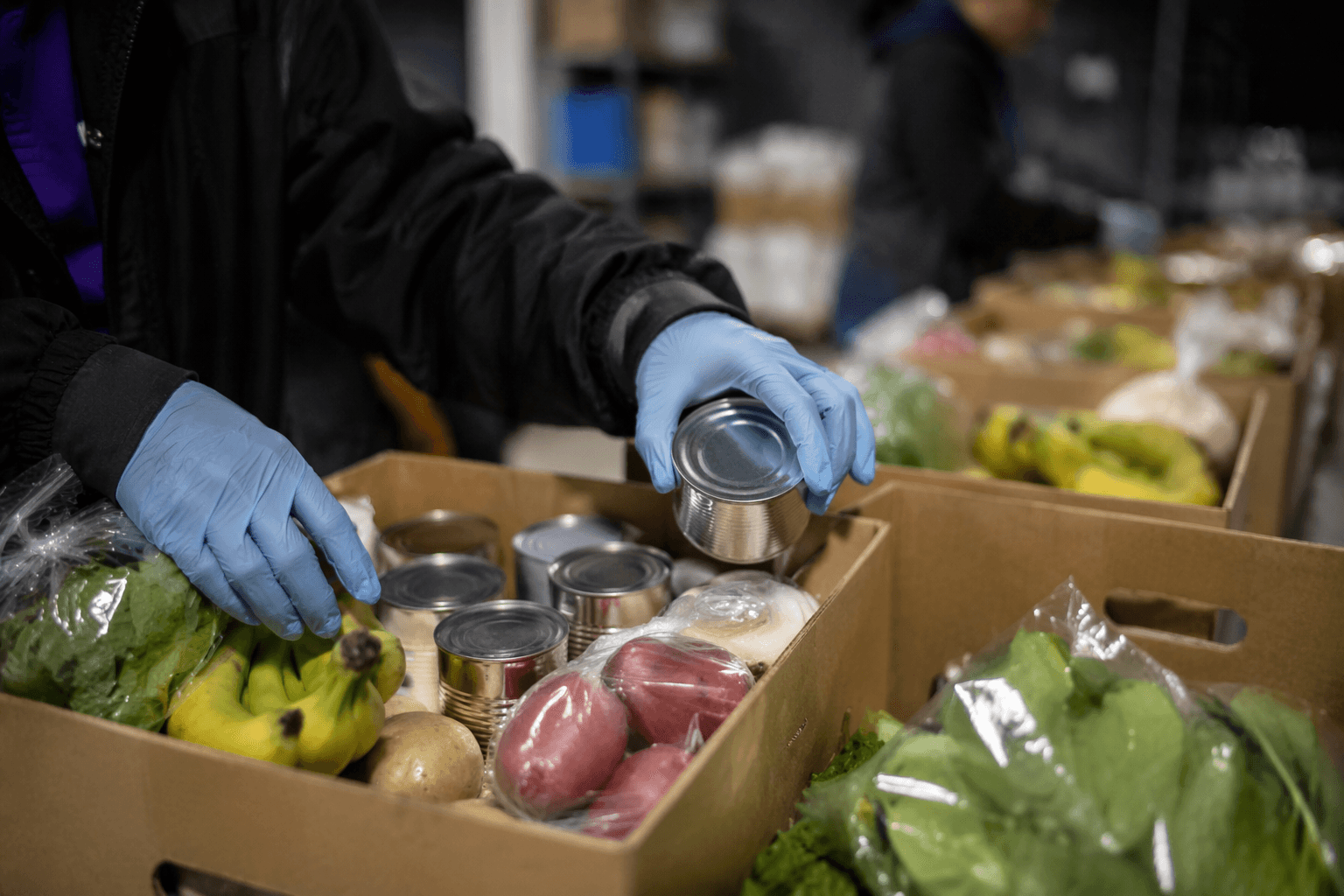
TEFAP also delivers breadth, not just bulk. Feeding America says the program provides more than 120 nutritious foods, including fruits, vegetables, dairy, meat, poultry, fish, nuts, and whole grains. That mix matters to pantry staff because nutrient-dense product is often what lets a local distribution model move beyond emergency calories and toward reliable weekly support.
What the 2026 funding picture means for planning
The funding outlook adds another layer of operational reality. USDA’s fiscal year 2026 guidance says TEFAP food purchases total $471.5 million, with $465.2 million available after ordering and transportation costs, and $94.3 million available for states to convert to administrative funds. USDA also says any remaining fiscal year 2025 TEFAP food entitlement balance expires at the end of fiscal year 2026, on September 30, 2026.
That expiration date matters because it puts pressure on state agencies and local partners to use what is available within the funding cycle. For staff planning routes, staffing pantry shifts, or coordinating volunteer recruitment, the lesson is straightforward: distribution schedules are not only about demand, they are also about the timing rules attached to federal funds. If a partner pantry’s supply window changes, the rest of the local network may need to absorb the shift quickly.

The administrative conversion funds also matter behind the scenes. They help explain why some states can support the staffing and logistics that make TEFAP distribution work, while others lean more heavily on local nonprofit labor, volunteers, and partner capacity. In practice, those differences can show up in longer intake lines, narrower receiving hours, or more limited flexibility for neighborhood food recovery groups trying to sync arrivals with pantry operations.
Where Farm to Food Bank fits into the picture
USDA has also emphasized a separate TEFAP tool: Farm to Food Bank Projects. Congress authorized the projects in 2018 to pay for harvesting, processing, packaging, or transporting donated agricultural products for emergency feeding organizations, with the stated goals of reducing food waste, feeding people in need, and building relationships between producers and emergency food organizations.
The current funding level is modest compared with TEFAP’s main food purchase stream, but it is operationally important. USDA says $8 million is available for fiscal year 2026 Farm to Food Bank projects, and the authorization now runs through fiscal year 2031. For local food banks, that can mean new ways to bring in produce and other donated agricultural goods that would otherwise be lost, especially when staff have the capacity to move quickly on packing and transport.
For a group like A Simple Gesture, the Farm to Food Bank model is a reminder that food recovery is not only about donation collection at the doorstep. It is also about building a network that can absorb farm surpluses, match them to partner-site rules, and get them into the community before they spoil. The stronger the coordination between federal funding, state procedures, and local pickup logistics, the more reliably food can travel from source to shelf.
TEFAP is often described as a backbone program, and the word fits because it does more than add inventory. It sets the operating conditions that let local hunger relief move at scale, and when those conditions shift, staff and volunteers feel it first in the route plan, the pantry door, and the schedule on the calendar.
This article was produced by Prism’s automated news system from verified source data, official records, and press releases, then run through automated quality and moderation checks before publishing. The system is built and supervised by the people who set the standards it runs under. Read our full AI policy.
Know something we missed? Have a correction or additional information?
Submit a Tip