USDA updates SNAP stocking standards, pushes retailers toward healthier staples
USDA’s new SNAP stocking rule gives stores until November 4 to meet tougher staple-food standards, a change that could reshape what food moves through neighborhood retailers and recovery partners.
USDA’s updated SNAP stocking standards will force thousands of retailers to rethink what sits on their shelves, with a sharper push toward staple foods that are both healthier and easier to verify. The final rule, published in the Federal Register on May 8, requires SNAP retailers to carry seven varieties in each of four staple categories: protein, grains, dairy, and fruits and vegetables. It takes effect July 7, 2026, and stores must comply by November 4, 2026.
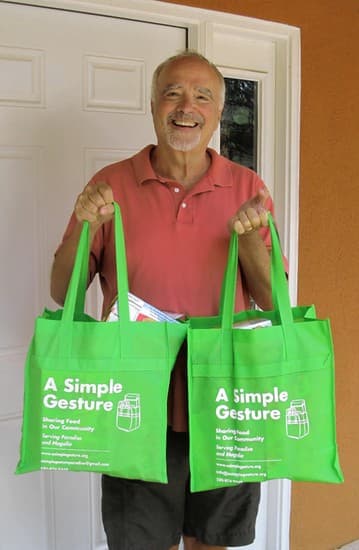
For A Simple Gesture, the shift matters well beyond federal paperwork. If neighborhood retailers have to stock more qualifying food to stay in SNAP, that can change what is available near doorstep donation routes, pantry partners, and the small stores that many families use for quick trips between paychecks. It can also alter retail recovery, since stores adjusting procurement and shelf space may donate different kinds of product, at different volumes, and on a different schedule than before. In a food-recovery network, that means route coordination, pantry planning, and volunteer pickups may all feel the ripple effect.
The rule is built on changes Congress put in place in the Agricultural Act of 2014, which raised the minimum number of staple varieties from three to seven and increased the number of food categories requiring at least one perishable item from two to three. USDA said the new version is meant to give SNAP participants a wider variety of staple foods and make the standards easier to understand and enforce. It is the first major update to retailer stocking standards since USDA’s 2016 final rule, which took effect on January 17, 2018 and also set a minimum of three stocking units per staple variety.
The compliance universe is large. USDA’s September 2025 proposed rule said there were 269,217 SNAP-authorized retailers as of April 30, 2025. That scale is why the rule is already drawing sharply different reactions. The Food Research & Action Center warned that the change could exclude about 5,000 retailers in underserved areas and reduce food access, while public health advocates quoted by Civil Eats questioned whether the rule will meaningfully increase healthy options. The American Heart Association called the updated standards an important step in advancing nutrition security.
For staff and volunteers at A Simple Gesture, the practical question is not whether the rule sounds good on paper. It is whether local stores can stock, source, and sustain the new requirements without becoming less viable in neighborhoods that already have thin food options. If the rule nudges retailers toward better staples, it could strengthen pantry partnerships and improve the quality of recovered food. If it pushes small operators out, it could leave the same communities with fewer usable places to buy groceries at all.
This article was produced by Prism’s automated news system from verified source data, official records, and press releases, then run through automated quality and moderation checks before publishing. The system is built and supervised by the people who set the standards it runs under. Read our full AI policy.
Did this article answer your question?