Wellstar Augusta Mobile Market blends food access, health education, local growers
Wellstar’s Augusta mobile market turns food access into a care workflow, pairing produce, prescriptions, and nutrition classes for families across the CSRA.
A market designed like a care team
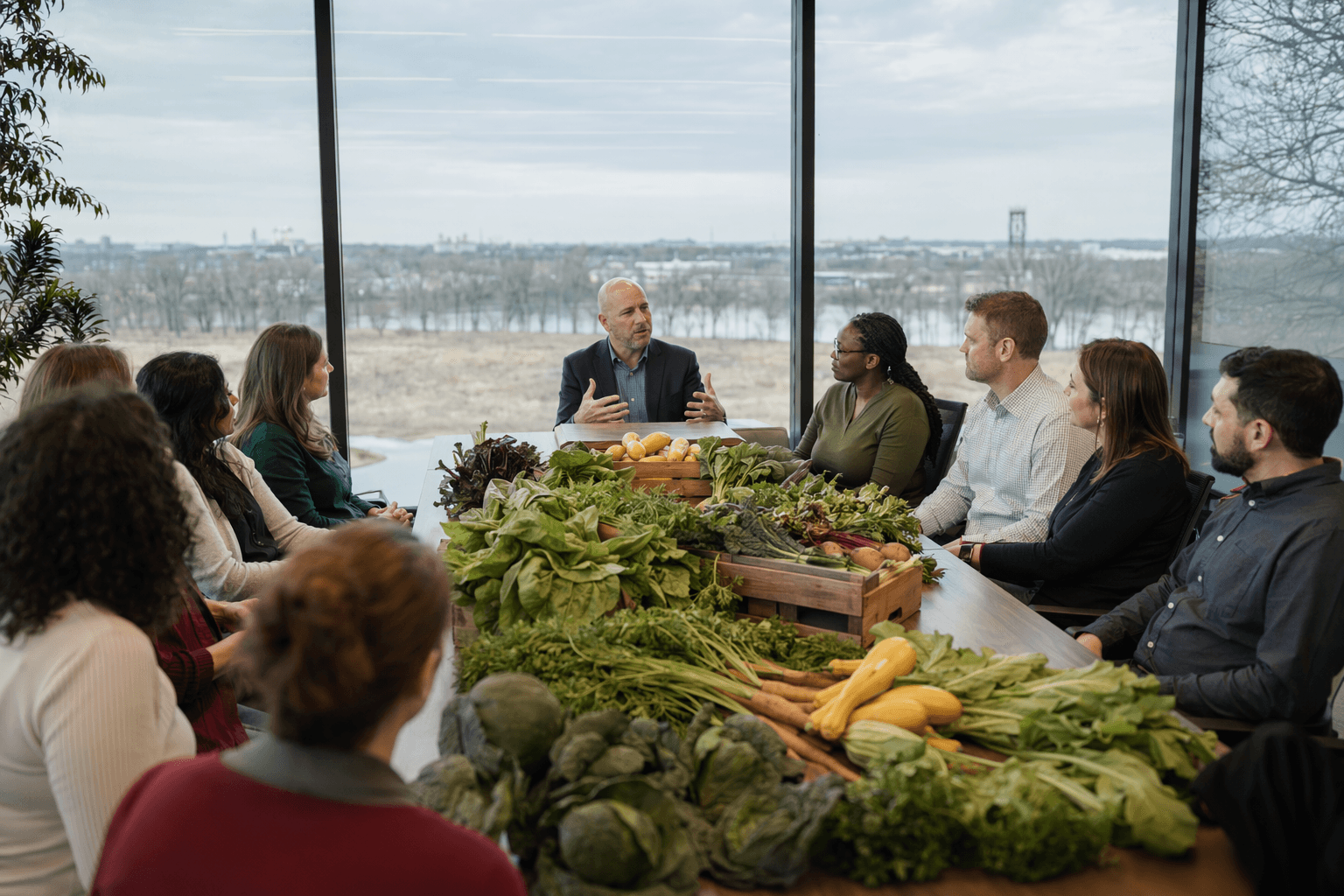
The new Wellstar Augusta Mobile Market, which launched on April 29, is not built like a simple food handoff. It brings together Wellstar Health System, Golden Harvest Food Bank, Augusta Locally Grown, and Harrisburg Family Health Clinic, with launch support from a $50,000 award from the TD Jakes Foundation, and it asks participants to do more than pick up a box. Families are required to join nutrition programming such as cooking and gardening classes, while Wellstar adds health education to the mix.
That is the part A Simple Gesture staff and volunteers should pay attention to. This model turns food access into a frontline intervention, where the food is one piece of a larger service chain. The market is not just moving groceries into a neighborhood; it is creating repeated contact between families, growers, food bank staff, and clinicians.
Who does what, and why that matters
The labor model is what makes the Augusta market work. Golden Harvest handles the food bank side, including shelf-stable food boxes and a service network that reaches more than 325 Hunger Relief Partners across its service area. Augusta Locally Grown brings in fresh produce and also helps connect the program to local agriculture, while Wellstar supplies the health-care side of the operation through education and clinical partnership. Harrisburg Family Health Clinic gives the program another point of contact with families who already face barriers to care.
That division of labor matters because it keeps the program from collapsing into a one-size-fits-all distribution event. Food bank staff are not just packing items. They are supporting a structure that also depends on outreach, education, scheduling, and follow-through. Growers are not just donors of surplus produce. They are part of a local supply chain that gives the market fresh food and a stronger neighborhood identity. Clinicians are not treating hunger as an afterthought. They are using food access as a way to reinforce prevention, wellness, and trust.
For A Simple Gesture, that is the real operational lesson. A food program gets stronger when the work is shared across roles, and when each partner knows whether it is responsible for food, education, referral, or relationship-building.
Why Augusta chose this model
Augusta Locally Grown says the mobile market is meant to support families experiencing food insecurity across the CSRA, and the setup reflects a broader shift in how organizations are thinking about hunger relief. Instead of treating food as a standalone benefit, the market bundles it with health education and skills-based programming. That design makes the intervention more durable. It gives families a reason to return, and it gives staff a clearer pathway for building trust over time.
The registration process also shows careful program design. Augusta Locally Grown says survey responses collected during registration will be used only for research and program improvement, not eligibility decisions. That distinction matters in communities where families may be wary of paperwork, screening, or any process that feels like gatekeeping. The market is trying to lower friction, not create it.
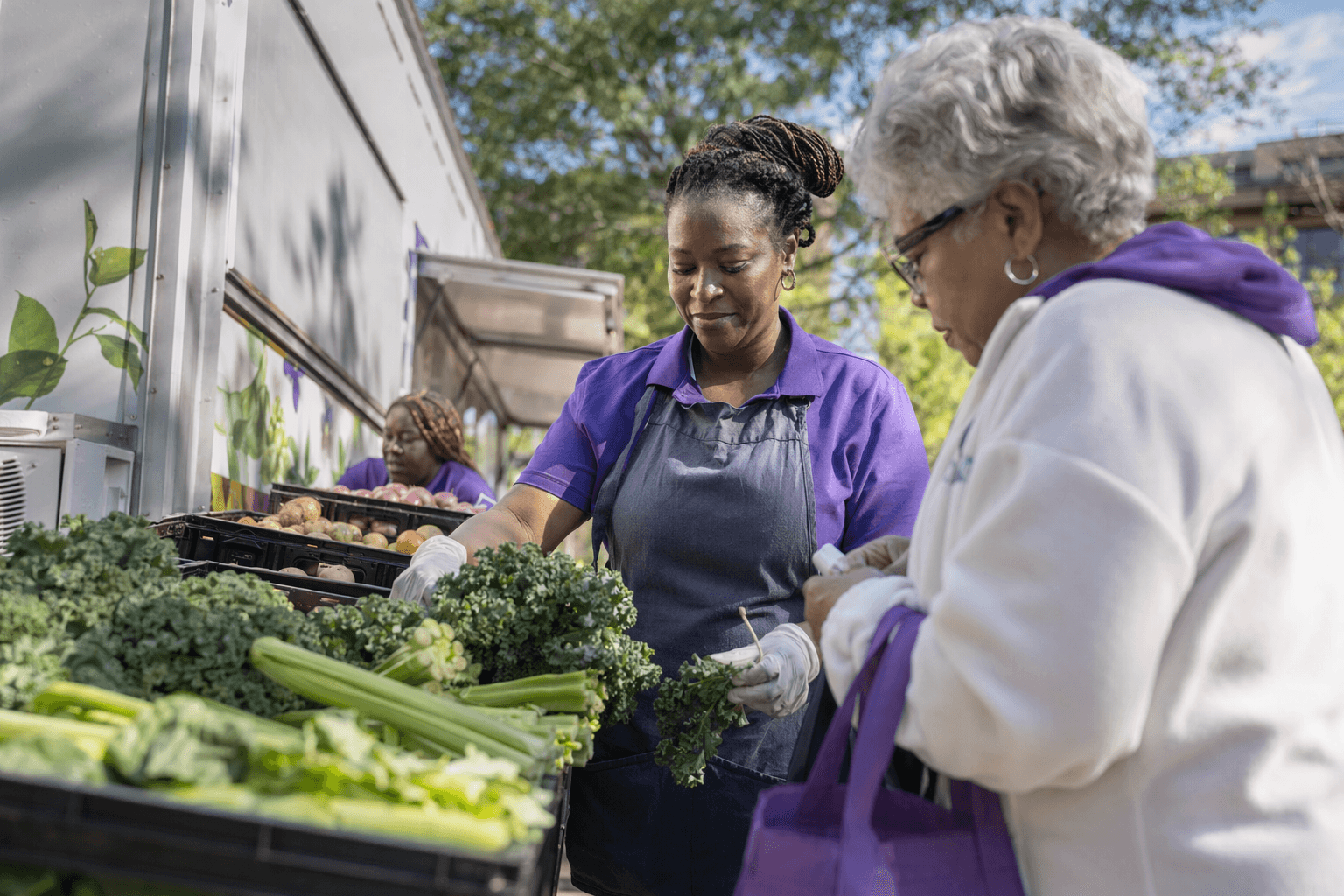
The food itself is broader than a standard pantry load. Augusta Locally Grown says the market provides fresh produce, meat, shelf-stable items, milk, and other beverages. That combination points to a model that is meant to support a full household meal pattern, not just fill emergency gaps.
Local growers are part of the health strategy
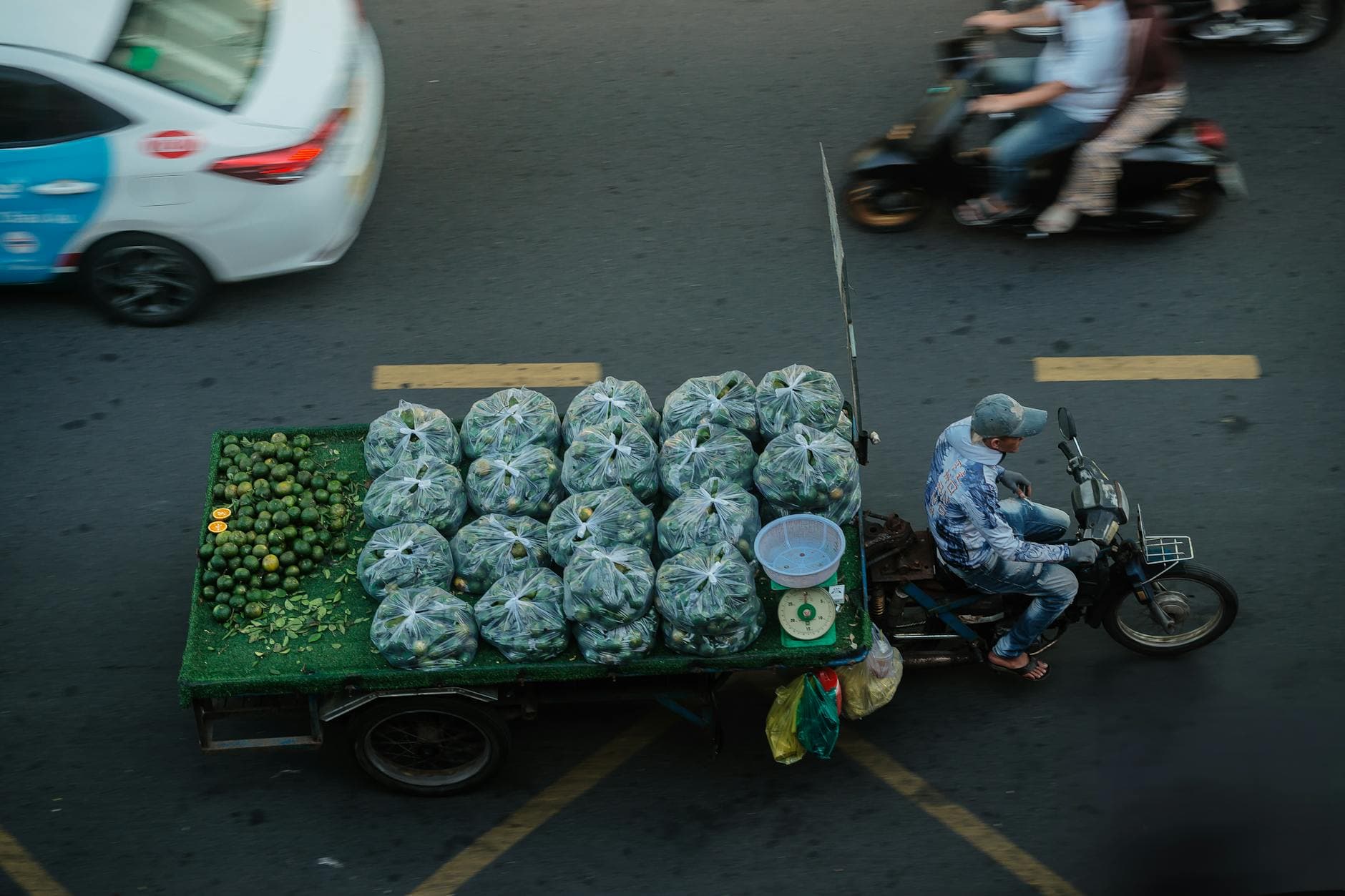
One of the strongest parts of the Augusta model is how clearly it ties local agriculture to public health. Augusta Locally Grown says Augusta was the beta test site for Georgia’s first vegetable prescription program in 2014. Its Georgia Food for Health program now serves about 40 participants each year, pairing vegetable prescriptions with monthly plant-based cooking classes, dietician coaching, clinic visits, and wellness classes.
The program has also moved money back into the regional farm economy. Augusta Locally Grown says the Georgia Food for Health program has contributed more than $130,000 to local farmers in the CSRA over the past six years. That is a useful reminder for any food recovery or donation network: local sourcing is not only about freshness. It can also support growers with dependable demand and give funders a more complete story about community impact.
Wellstar is testing the same idea elsewhere
The Augusta market is not an isolated experiment. In 2025, Wellstar announced pop-up grocery markets in Metro Atlanta with Goodr, with events planned for April, May, June, September, and October. Those markets were expected to distribute about 20,000 pounds of fresh food per event and include health screenings, nutrition education, and wellness resources.
That wider footprint suggests Wellstar sees food access as part of its prevention strategy, not as a side project. The Augusta program extends that approach by placing local growers and a food bank at the center of the workflow. It also gives the health system a community-facing role that goes beyond the clinic walls.
For a nonprofit like A Simple Gesture, the takeaway is practical. The most resilient food programs are the ones that organize labor around multiple needs at once: collecting food, coordinating partners, building trust, and connecting families to something useful beyond the bag or box. Augusta’s mobile market shows what happens when those jobs are treated as one system instead of separate missions. That is where food access starts to look less like emergency relief and more like everyday community infrastructure.
Know something we missed? Have a correction or additional information?
Submit a Tip