Big Lots applicants should highlight retail skills, inventory and teamwork
Big Lots is hiring leaner, and resumes that turn floor work into results can help applicants stand out fast.
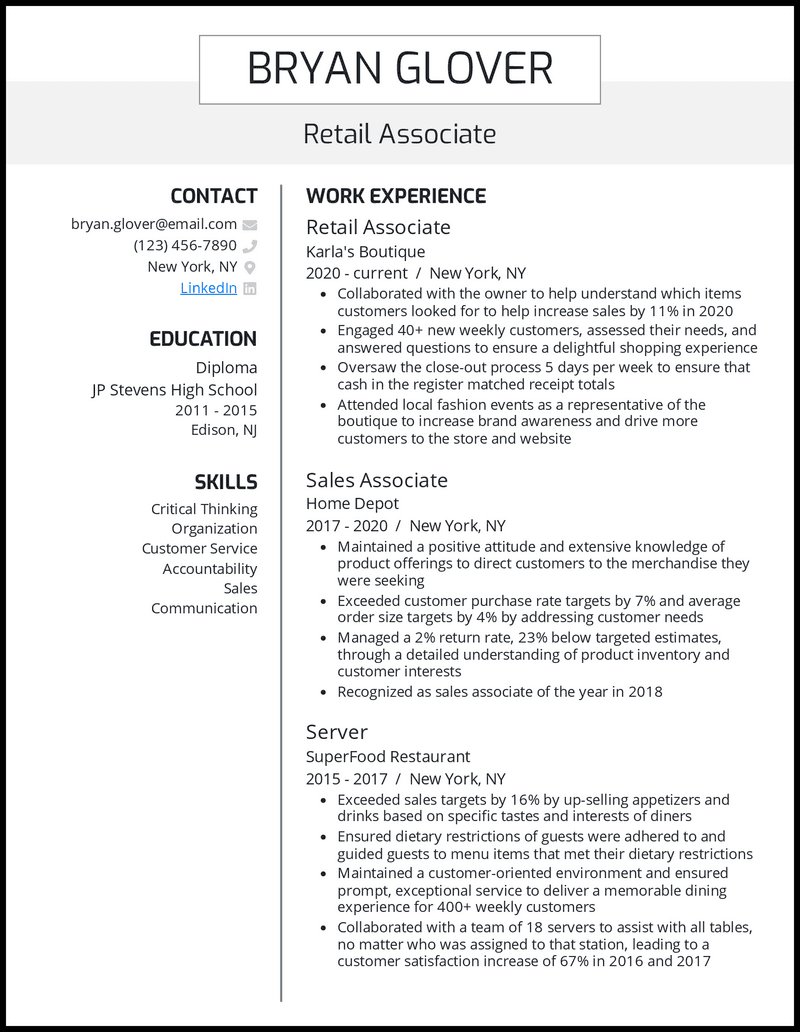
Big Lots applicants have a better shot when their resume sounds like the job, not just a list of past shifts. The retailer’s current footprint is smaller, its hiring needs are sharper, and the strongest applications make it easy to see who can sell, stock, recover, and keep a store moving.
Why wording matters now
CareerOneStop’s resume guidance fits this moment well because it pushes job seekers to write for current hiring practices, show that they meet minimum qualifications, and use a format that highlights the right strengths for the role. That matters at Big Lots because the company is not hiring from a generic template. It is hiring across stores and support centers, and each path asks for a different set of strengths.
For store jobs, the best resumes lead with customer service, cash handling, inventory counts, replenishment, merchandising, teamwork, and reliability. For support-center jobs, the same store experience needs to be translated into coordination, communication, process discipline, and comfort working across teams. The goal is simple: make it obvious what kind of value you can deliver on day one.
What Big Lots is hiring for
Big Lots says its store support centers are in Columbus, Ohio, and Henderson, North Carolina, and its jobs page points to a wide mix of roles. On the store side, that includes cashier, assistant manager, store manager, and district manager. On the corporate side, the company says it hires for merchandising, marketing, IT, finance, human resources, and more.
That spread tells applicants something important about the company’s structure. Big Lots is still a retail operation built around the floor, the backroom, and the weekly rhythm of moving product, but it also needs office staff who can support those stores. A resume that only says you worked retail misses the chance to show whether you can run a register, direct a shift, handle freight, or keep a process on track in a support role.
Turn store-floor work into hiring language
The most effective retail resumes do not simply name tasks. They show outcomes, pace, and responsibility. A recruiter can picture the job more easily when the bullet points sound like real work in a busy store, not vague service language.
A cashier line should not stop at helped customers. It should show accuracy, transaction handling, and calm under pressure. Freight and recovery work should not stop at stocked shelves. It should show that you kept aisles ready, supported resets, and kept product moving through the building. That kind of detail matters at Big Lots because the chain’s stores rely on quick execution and constant adjustment.
Useful resume language can sound like this:
- Handled customer transactions, cash balancing, and problem solving at the register while maintaining a fast pace during busy shifts.
- Recovered the sales floor, filled empty spaces, and kept merchandise presentation aligned with changing seasonal sets.
- Unloaded freight, worked the backroom, and moved product quickly to the floor so the store stayed stocked and shoppable.
- Supported inventory counts, replenishment, and shrink awareness by noticing missing product, inaccurate counts, or presentation issues.
- Worked with teammates and shift leads to complete planograms, resets, and daily priorities without needing constant supervision.
These examples work because they connect the task to the result. They show that you were not only present on the floor, you were part of the store’s operating rhythm.
Show the specific retail skills Big Lots uses
Big Lots applicants should emphasize the parts of retail that keep a store running when staffing is tight and priorities change fast. Cashiering matters, but so does the ability to move from one task to another without losing accuracy. Inventory counts matter, but so does the reliability to finish them correctly. Customer service matters, but so does the judgment to keep a floor looking organized while helping a shopper find what they need.
If you handled freight, backroom work, truck unloads, seasonal resets, or planograms, those details belong near the top of the resume. They show that you understand a store environment where merchandise changes often and execution has to keep up. At a company like Big Lots, where stores depend on quick turns and practical merchandising, that is more persuasive than a broad statement about being a hard worker.
Write differently for store jobs and support-center jobs
The best resume format changes based on the job you want. If you are applying to a store role, keep the focus on availability, customer interactions, and your ability to work the floor without constant supervision. Hiring managers want to know that you can show up, stay flexible, and handle the pace of a retail shift.
If you are applying to a support-center role in Columbus or Henderson, translate your store experience into the language of coordination and process. That means showing how you communicated with managers, tracked details, followed procedures, or helped multiple departments stay aligned. A store associate who handled scheduling changes, resolved inventory questions, or kept records accurate has more to offer a support team than a resume might first suggest.
CareerOneStop’s advice fits both paths: choose the structure that highlights the right strengths for the job, and make it easy to see that you meet the minimum qualifications. At Big Lots, that could mean putting retail operations first for one application and cross-functional teamwork first for another.
Big Lots’ reset makes adaptability especially valuable
The company’s recent history explains why hiring teams may be paying close attention to adaptability. Former BL Stores, Inc. and subsidiaries filed Chapter 11 on September 9, 2024, then Big Lots was purchased out of bankruptcy in 2025 by Variety Wholesalers. The new Big Lots now operates 219 stores in 15 states, with a footprint concentrated in Midwest, Southeast, and Mid-Atlantic markets.
That change in scale matters to applicants. Big Lots is not trying to staff the same national network it had before the restructuring. It is rebuilding in a narrower set of markets, which makes each hire more important and each resume more specific. ABC News reported in April 2025 that 132 stores were set to reopen in May 2025, and later reporting noted that the reopening program reached 219 stores. In practical terms, that means the company has been moving through a major reset while still asking workers to keep stores open, stocked, and serviceable.
For applicants, that history favors resumes that show pace, flexibility, and comfort with change. Someone who has already worked recovery after a delivery, adjusted to a new planogram, or handled a sudden shift in priorities has exactly the kind of experience a reorganized retailer can use.
Make every bullet prove you can do the job
Big Lots is hiring in a leaner format, but that does not mean the resume should be lean on detail. The strongest applications connect store-floor work to outcomes, use the right language for the track being targeted, and make the reader see value immediately. In a company operating 219 stores across 15 states after a bankruptcy reset, clear proof of retail skill, inventory discipline, and teamwork stands out faster than a generic list of past jobs.
Know something we missed? Have a correction or additional information?
Submit a Tip